
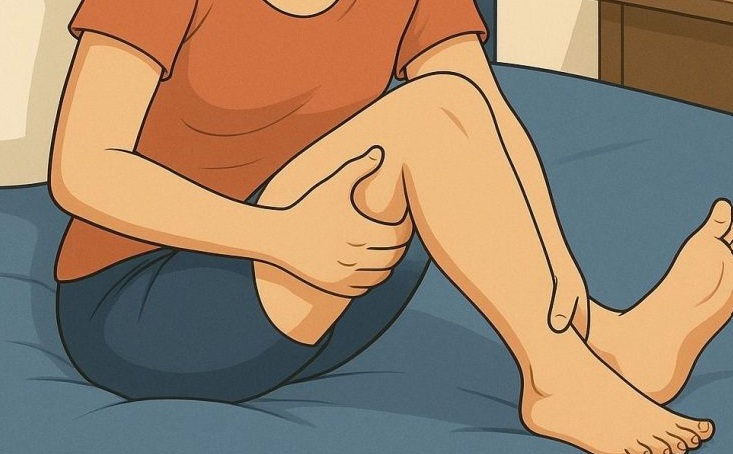
Waking up in the middle of the night with a sudden, stabbing pain in your calf can feel like your body is rebelling against you. Nighttime leg cramps, also called nocturnal leg cramps, are a surprisingly common problem, affecting people of all ages. While brief, these painful spasms can leave lingering soreness and disrupt sleep, making mornings groggy and uncomfortable.
For many, these cramps are more than just an annoyance—they can affect daily routines, exercise habits, and even your mood. Understanding what triggers these involuntary muscle contractions is key to regaining control and sleeping peacefully through the night.
The good news? With simple lifestyle adjustments, targeted stretching, and attention to hydration and nutrients, nighttime leg cramps are largely preventable. This guide breaks down why they happen, how to relieve them instantly, and what you can do to stop them before they strike.
What Are Leg Cramps?
A muscle cramp is an involuntary contraction or spasm of one or more muscles. Legs are particularly vulnerable due to the frequent use of calf, hamstring, and foot muscles.
The pain can range from a dull ache to intense, sharp spasms lasting several minutes. Most often, these cramps strike at night, waking you suddenly and leaving your legs sore the next day. Recognizing the underlying causes is the first step to preventing them.
Top 10 Causes of Nighttime Leg Cramps
- Dehydration: Not drinking enough water can upset your body’s electrolyte balance, making muscles more likely to cramp.
- Mineral Deficiencies: Low potassium, calcium, or magnesium can interfere with proper muscle contraction and relaxation.
- Overexertion: Intense workouts or excessive physical activity can fatigue muscles, leading to cramps while you sleep.
- Poor Posture: Sitting or standing in awkward positions strains leg muscles.
- Nerve Compression: Conditions like sciatica or herniated discs can pinch nerves, triggering spasms.
- Pregnancy: Hormonal changes and increased blood vessel pressure often cause leg cramps.
- Medications: Diuretics, statins, and certain antipsychotics may list muscle cramps as a side effect.
- Alcohol Consumption: Excess drinking can dehydrate the body and create mineral imbalances.
- Underlying Health Conditions: Diabetes, kidney disease, thyroid disorders, and peripheral artery disease increase risk.
- Age: Muscle loss, reduced mobility, and poorer circulation make older adults more prone to cramps.
How to Relieve a Cramp Immediately
- When a cramp strikes, relief is the priority:
- Stretch and Massage: Pull your toes toward your head for calf cramps and gently massage the area.
- Heat or Cold Therapy: Use a heating pad, warm bath, or cold pack to relax the muscle and reduce soreness.
- Hydration: Drink water to restore electrolyte balance.
- Pain Relief: Over-the-counter options like ibuprofen or acetaminophen can ease temporary discomfort.
- Medical Options: For frequent, severe cramps, a doctor may prescribe muscle relaxants or other treatments.
Preventing Nighttime Leg Cramps
Boost Nutrient Intake
- Magnesium: Found in bananas, spinach, kale, nuts, and seeds; helps muscles contract and relax properly.
- Potassium & Calcium: Incorporate dairy, leafy greens, and sweet potatoes.
- Hydration: Drink water throughout the day, especially before and after exercise.
Activity and Movement
- Stretching Before Bed: Gentle calf stretches or yoga poses relax tight muscles.
- Regular Exercise: Walking, cycling, or swimming improves circulation and reduces cramp risk.
- Warm-Up & Cool-Down: Proper workout routines prevent muscle fatigue.
Sleep Adjustments
- Positioning: Elevate legs with pillows or try different sleep postures to relieve muscle tension.
- Relaxation: Essential oils like lavender or peppermint can soothe muscles and encourage restful sleep.
- Note: Always consult a healthcare professional before starting supplements or remedies, especially if you have chronic conditions or take medications.
Why You’ll Love This Guide
- Quick Relief: Learn how to stop cramps instantly without medications.
- Preventative Tips: Lifestyle adjustments reduce cramp frequency naturally.
- Sleep Better: Peaceful nights improve your mood and daily energy.
- Family-Friendly Advice: Safe for adults, teens, and older adults alike.
Tips & Variations
- Keep a water bottle by your bed to sip if cramps strike overnight.
- Mix magnesium-rich foods into meals like smoothies or oatmeal.
- Try dynamic stretches like ankle circles or calf raises before sleep.
FAQs About Nighttime Leg Cramps
- Why do cramps happen mostly at night?
Muscles relax during sleep, which can trigger involuntary contractions, especially in fatigued or dehydrated muscles. - Can stretching before bed really prevent cramps?
Yes! Gentle stretching improves circulation and reduces the likelihood of spasms. - Are supplements necessary?
Only if you have deficiencies. A doctor can help identify if magnesium, potassium, or calcium supplements are needed. - Does pregnancy make cramps worse?
Yes, hormonal changes and increased leg pressure often trigger nighttime cramps. - Is dehydration a major cause?
Absolutely. Water and electrolytes are key to muscle function. - Can exercise cause cramps?
Overexertion fatigues muscles, making them more likely to cramp at rest. - Do essential oils really work?
Some people find oils like lavender help relax muscles and improve sleep quality. - What about older adults?
Age-related muscle loss and circulation issues increase cramp frequency. - Are there medical treatments?
Severe or frequent cramps may require prescription muscle relaxants or evaluation for underlying conditions. - Can diet alone prevent cramps?
Diet helps, but combining hydration, stretching, and lifestyle adjustments is most effective.
Health Benefits of Preventing Leg Cramps
- Better sleep quality
- Improved mobility and flexibility
- Reduced post-workout soreness
- Enhanced daily comfort and energy
How to Serve, Make Ahead & Storage
- Serve: Gentle stretches and hydration before sleep.
- Make Ahead: Prepare magnesium-rich snacks like nut mixes or smoothies.
- Storage: Keep water and electrolyte drinks accessible to prevent dehydration.
Conclusion
Nighttime leg cramps are common but manageable. With proper hydration, balanced nutrition, regular stretching, and lifestyle adjustments, you can dramatically reduce their frequency and intensity. Combining these strategies with medical guidance when necessary ensures restful nights, pain-free mornings, and better overall well-being.