
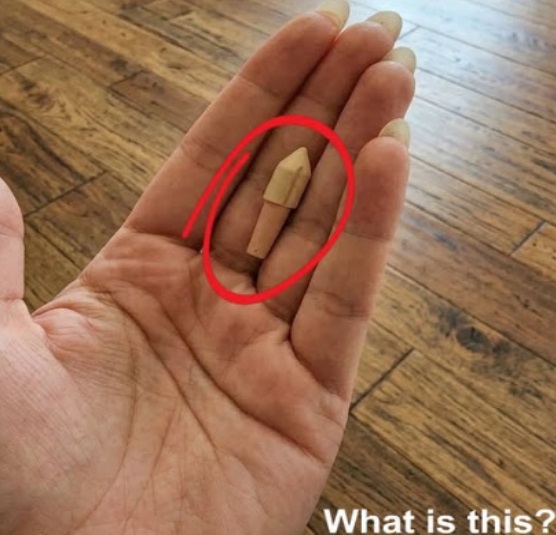
What Is This Small Brown Pellet Found in a Pocket?
Have you ever reached into a coat or pair of trousers before doing the laundry and found a tiny object you couldn’t identify?
You turn it over, examine it from every angle, and wonder, “What on earth is this?”
A small brown, wood-like pellet could be a seed, dried plant material, potpourri, resin, or something used for fragrance. If it is dark, compact, and noticeably aromatic, one possibility is an agarwood or oud-based incense product.
But appearance alone isn’t enough to identify it with certainty.
What Is Agarwood?
Agarwood is a fragrant, resin-rich material that forms inside certain trees, particularly species of the Aquilaria genus.
When the tree is wounded or affected by certain microorganisms, it can produce resin-rich material within the wood. Over time, this can create the dark, aromatic material known as agarwood.
The term oud is closely associated with agarwood and may refer to the aromatic wood, oil derived from it, or fragrances made using it, depending on the context.
Agarwood has been used for centuries in incense and perfumery and is especially valued for its distinctive fragrance.
Could the Pellet Be Agarwood?
Possibly, but there are many other explanations.
Agarwood products can appear in different forms, including chips, powder, compressed incense, beads, and pellets. A small dark pellet with a strong woody or resinous aroma could be an agarwood-based product.
However, you can’t determine from appearance alone whether something is:
- Pure agarwood
- Naturally formed agarwood
- A particular grade or origin
- An agarwood blend
- Or even agarwood at all
Color, shape, and smell can provide clues, but they aren’t reliable proof of authenticity.
What Does Agarwood Smell Like?
The aroma can vary considerably depending on the material and how it has been processed.
Descriptions may include:
Woody
Sweet
Earthy
Smoky
Spicy
Resinous
Warm
Different pieces can smell quite different, which is one reason oud and agarwood are interesting to fragrance enthusiasts.
Why Would Someone Keep It in a Pocket?
If the object really is an incense or fragrant-wood product, there could be a very simple explanation.
Someone might carry it because they enjoy the fragrance, keep it as part of a perfume collection, or use it as incense.
Agarwood and oud also have longstanding cultural significance in parts of Asia and the Middle East, where they have been used in fragrance, incense, hospitality, and traditional practices.
So a small fragrant pellet doesn’t necessarily have a mysterious purpose.
How Can You Examine the Object?
If you find something similar, look for a few basic clues.
Check the smell: A noticeable woody or resinous fragrance may suggest an aromatic product, but smell alone cannot prove its identity.
Look at the texture: Notice whether it is woody, resinous, powdery, waxy, or unusually dense.
Check the shape: A perfectly uniform pellet or tablet may indicate that the material was manufactured or compressed.
Look for packaging: A small bag, box, label, or container could provide much more information than the object itself.
And sometimes the easiest solution is simply to ask the person whose pocket it came from.
Maybe they bought incense.
Maybe it’s part of a fragrance collection.
Or maybe it’s something completely unrelated.
Could It Be Something Else?
Absolutely.
A small brown pellet could also be:
Incense made from other materials
Potpourri
Fragrant wood
Resin
A compressed herbal product
A decorative item
A seed or other plant material
A craft bead
Without seeing the actual object, there is no reliable way to identify it simply from a written description.
Should You Burn It?
It’s better not to burn an unknown object just to see what happens.
Commercial incense can contain binders, oils, synthetic fragrances, or other ingredients. If the item came in packaging, check the label and follow the manufacturer’s instructions.
If you don’t know what it is, identification should come before burning.
Frequently Asked Questions
Is every dark incense pellet made from agarwood?
No. Incense pellets can contain many different materials, including wood, herbs, resins, spices, binders, and fragrance ingredients.
Can you identify real agarwood by its color?
Not reliably. Agarwood can vary widely in color and appearance, and visual inspection alone isn’t enough to establish authenticity or quality.
Is oud the same as agarwood?
The terms are closely related, but they aren’t always interchangeable. Agarwood generally refers to the fragrant resinous wood, while oud can refer to the aromatic material, oil, or fragrances associated with it.
Can agarwood smell before it is burned?
Yes. Resin-rich agarwood can have a noticeable aroma without being heated, although the strength and character vary between pieces.
Is agarwood valuable?
Some high-quality agarwood can be valuable, but price depends on factors such as quality, resin content, origin, processing, and provenance. A mysterious pellet shouldn’t automatically be assumed to be rare or expensive.
So, What Was in That Pocket?
If the object is small, brown, fragrant, and pellet-shaped, an agarwood or oud-based incense product is certainly one possibility.
But without examining the actual item, packaging, or identifying markings, there’s no way to say for certain.
It could turn out to be something much simpler.
And that’s part of the fun of mystery objects. Something that looks completely ordinary can sometimes have an interesting story behind it.
So before throwing that little brown object away, take a closer look.
And if it came from someone else’s pocket, there may be an even easier solution:
Just ask them what it is.