
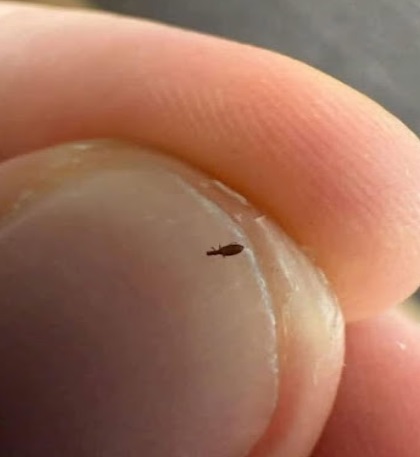
Found a Tiny Bug in Someone’s Hair? Here’s What It Could Be
Finding a tiny bug crawling through a friend’s hair can be surprising, especially when the first thought is head lice. But not every insect found in hair is a louse. Small insects can accidentally become trapped in hair after outdoor activities or contact with pets, plants, and other surfaces.
Before assuming there’s an infestation, take a closer look. The insect’s shape, movement, and location can offer useful clues, although a clear photograph or professional inspection may be needed for reliable identification.
What Kind of Bug Could Be in the Hair?
Several small creatures or insects may occasionally end up in someone’s hair.
- Head lice: These tiny, wingless insects live on the human scalp and feed on blood. They crawl rather than jump or fly.
- Ants: An ant may accidentally become tangled in hair, especially after spending time outdoors.
- Fleas: Fleas can jump and may be encountered around pets or in environments where animals spend time. They generally prefer animal hosts.
- Small spiders or other insects: These may become caught in hair by accident and don’t necessarily indicate a scalp infestation.
Appearance alone isn’t always enough to distinguish these possibilities.
How Can You Recognize Head Lice?
Adult head lice are approximately the size of a sesame seed. They are wingless, have six legs, and are usually grayish, brownish, or tan.
Another possible clue is the presence of nits, which are lice eggs firmly attached to individual hair shafts. Unlike dandruff, which usually brushes away easily, nits tend to remain attached. However, other substances can stick to hair, so this clue should not be used alone.
Finding one unidentified insect does not automatically mean someone has head lice.
What Should You Do?
If you discover a tiny bug in someone’s hair, follow these simple steps:
- Take a clear photograph. Good lighting and a close-up image may help with identification.
- Inspect the scalp. If lice are suspected, pay particular attention to the areas behind the ears and near the back of the neck.
- Use a lice comb if appropriate. A fine-toothed detection comb can help identify live lice.
- Avoid unnecessary treatments. Don’t apply lice products, household pesticides, or essential oils without knowing what you’re treating.
- Seek professional advice if uncertain. A healthcare professional can help confirm suspected head lice and recommend appropriate treatment.
Clues That May Help Identify the Bug
- It crawls near the scalp: Head lice are one possibility.
- It clearly jumps: A flea or another jumping insect may be more likely.
- It flies: It is not a head louse, which is wingless.
- It appears once after outdoor activity: It may be an accidental visitor.
- Several similar insects are present: A closer inspection is worthwhile, particularly if scalp itching is also occurring.
These clues can help narrow down the possibilities, but they cannot reliably identify every insect.
Frequently Asked Questions
Does finding a bug in someone’s hair mean they have lice?
No. The insect could be a louse or an accidental visitor. A closer inspection is needed to determine what it is.
Do head lice jump or fly?
No. Head lice crawl and cannot jump or fly.
How can I tell a nit from dandruff?
Nits are firmly attached to individual hairs, while dandruff generally brushes away more easily. If you’re unsure, seek help identifying what you see.
Should I use lice shampoo just in case?
It’s better to confirm that head lice are present before using a treatment. Unnecessary products can irritate the scalp and may not address the actual problem.
When should I seek professional advice?
Consider getting help if you find live insects that may be lice, notice persistent scalp irritation, or cannot confidently identify what you’ve found.
Final Thoughts
Finding a tiny bug in someone’s hair can be unsettling, but there’s no need to jump to conclusions. Head lice are one possibility, yet other insects can become trapped in hair accidentally.
Take a clear photograph, check for additional evidence, and avoid unnecessary treatments until you know what you’re dealing with. If head lice remain a concern, a healthcare professional can help confirm the identification.
The most important thing is to identify the insect before deciding what to do next.