
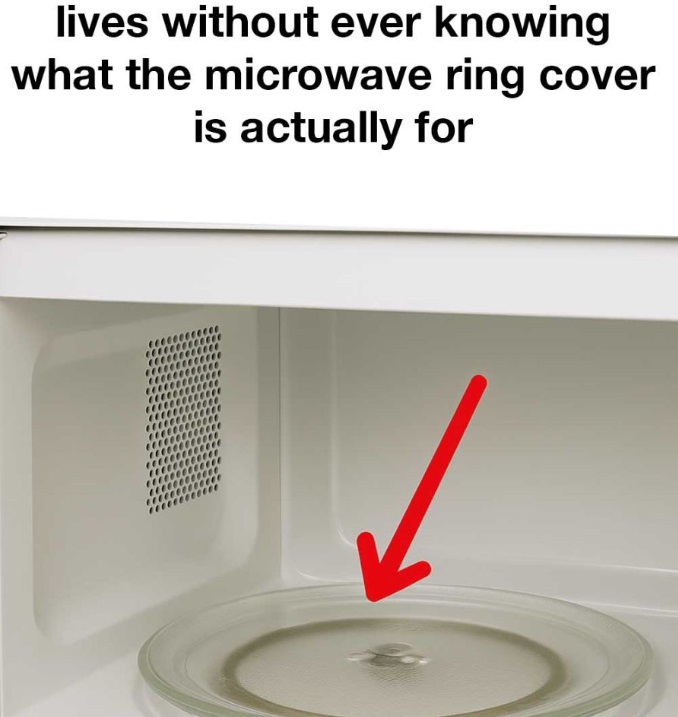
The Purpose of the Microwave Ring Cover: What You Should Know
The microwave ring cover is a small but important part of a microwave oven that many people overlook or misunderstand. Usually found beneath the glass turntable, this component helps support the turntable and allows it to rotate smoothly during operation. Although it may look like an insignificant piece of plastic, it plays a useful role in keeping the microwave functioning properly. This article explains how the microwave ring cover works, why it matters, and some common misconceptions about its purpose.
Understanding the Design and Functionality
The microwave ring cover is generally a circular plastic component fitted with small wheels or rollers. These wheels allow the glass turntable to move smoothly as the microwave operates. Its simple design helps distribute the weight of the turntable and the food placed on it, reducing wobbling and helping prevent spills. By supporting consistent rotation, the ring contributes to the microwave’s ability to heat food more evenly.
Common Misconceptions About the Microwave Ring Cover
One common misconception is that the microwave ring cover serves little purpose and can be removed without affecting the appliance. Some people assume it is merely a protective piece that can be discarded if it becomes dirty or damaged. In reality, removing the ring can interfere with the turntable’s movement, create additional noise, and potentially place unnecessary strain on the turntable mechanism. Understanding its purpose helps users maintain their microwave and avoid problems caused by missing or damaged components.
Exploring the Primary Purpose
The main purpose of the microwave ring cover is to support the glass turntable and help it rotate smoothly and consistently. Turntable rotation allows food to pass through different areas of the microwave’s energy field, helping reduce uneven heating. Without the ring or with a damaged set of rollers, the turntable may wobble, move irregularly, or stop rotating properly. As a result, some portions of the food may heat more than others. The ring therefore contributes to better cooking results by helping the turntable function as intended.
Additional Uses Beyond Spinning
Besides helping the turntable rotate, the microwave ring can help minimize noise by allowing the glass plate to move smoothly over the microwave’s base. Its rollers also help distribute the weight of the plate and its contents while reducing friction during movement. Depending on the design, the ring may help limit some vibration caused by the rotating turntable. Although it is not specifically designed to protect every internal component from shocks, keeping it properly positioned can help prevent unnecessary strain on the turntable mechanism.
Numbered List of Practical Use Cases
1. Promoting even heating: Helps the glass turntable rotate smoothly so food passes through different areas of the microwave.
2. Reducing operational noise: Allows the turntable to move with less friction during operation.
3. Supporting proper operation: Helps the turntable mechanism function as intended.
4. Preventing wobbling: Distributes the weight of the glass plate and food across the supporting rollers.
5. Maintaining appliance performance: Helps reduce movement-related problems that may affect the turntable over time.
Conclusion: The Importance of the Microwave Ring Cover
In conclusion, the microwave ring cover is more than a simple plastic accessory. It supports the glass turntable, helps it rotate smoothly, and contributes to the microwave’s overall performance. Although it is easy to overlook, removing or ignoring a damaged ring can lead to unnecessary noise, unstable movement, and less consistent heating. Keeping the ring clean, correctly positioned, and in good condition can help ensure that the microwave continues to work as intended. Understanding the purpose of this small component makes it easier to maintain the appliance and avoid common mistakes.