
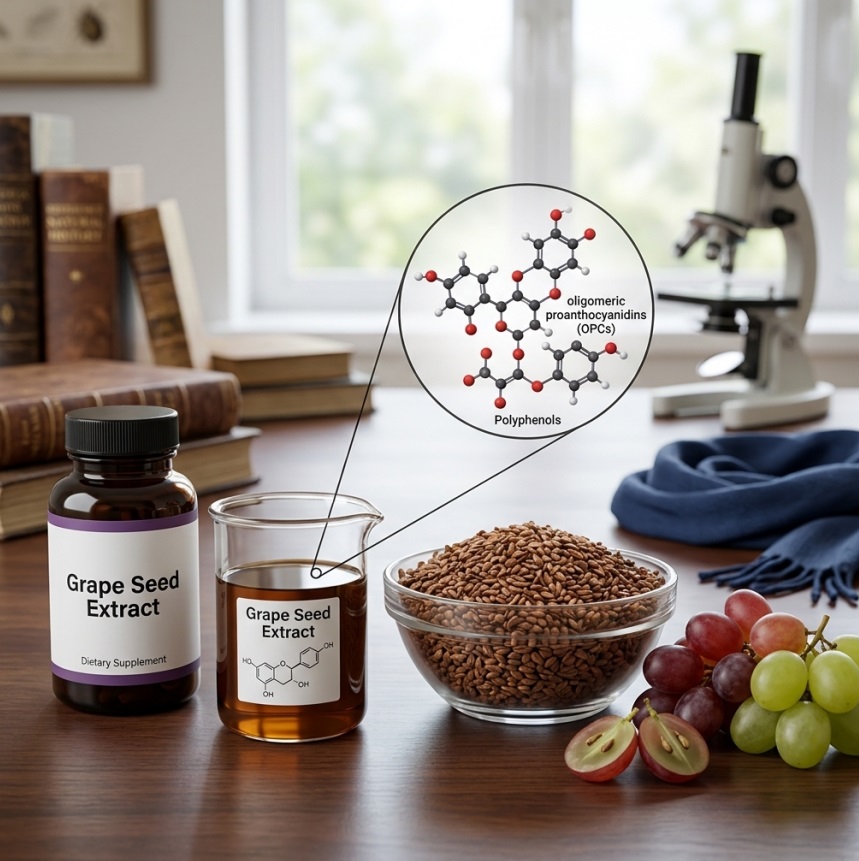
Grape seeds are often overlooked when enjoying fresh grapes, but these tiny seeds contain naturally occurring plant compounds that have attracted scientific interest. Among them are polyphenols and proanthocyanidins, which are known for their antioxidant activity.
Some laboratory studies have explored grape seed extracts and their potential effects on cellular processes, including oxidative stress and apoptosis (a natural process of programmed cell death). However, these findings do not establish grape seed extract as a treatment or cure for cancer in humans.
Grape seed extract is sometimes used as a dietary supplement, but its effects, appropriate use, and safety can vary depending on the product and the individual. It should never replace prescribed cancer treatments or professional medical care.
What Makes Grape Seeds Interesting?
Grape seeds contain several naturally occurring compounds, particularly oligomeric proanthocyanidins (OPCs). These plant compounds belong to a larger group of substances called polyphenols, which are found in many fruits, vegetables, nuts, and seeds.
Researchers study these compounds because of their antioxidant properties. Antioxidants help protect cells from oxidative damage caused by unstable molecules known as free radicals. Oxidative stress is one of several biological processes investigated in relation to general health and cellular function.
Understanding the Research on Cancer
Scientists have investigated grape seed extracts in laboratory experiments to better understand how their plant compounds interact with different types of cells. Some experimental studies have examined their effects on cell growth, oxidative stress, and programmed cell death.
Although these findings are interesting, laboratory results cannot automatically be applied to people. The concentration of an extract used in a laboratory may be very different from the amount someone could safely consume as a supplement or through food.
More high-quality human research is needed to determine whether grape seed extracts have any meaningful role in cancer prevention or treatment. At present, they are not recognized as an established cancer therapy.
Other Potential Benefits of Grape Seed Compounds
Beyond cancer-related laboratory research, grape seed extract has also been studied for its possible effects on cardiovascular health and circulation. Some clinical research suggests that certain grape seed preparations may influence blood pressure and other cardiovascular measurements, although results vary between studies.
The antioxidant compounds found in grape seeds are also of interest in research involving inflammation and blood vessel function. These areas are still being investigated, and supplements should not be considered substitutes for established treatments or healthy lifestyle habits.
Are Grape Seed Supplements Safe?
Grape seed extract is generally tolerated by many adults when used appropriately, but that does not mean it is completely free of risks. Some people may experience headaches, dizziness, nausea, or digestive discomfort.
It may also interact with certain medications, particularly medicines that affect blood clotting or blood pressure. Anyone taking prescription medication, preparing for surgery, or receiving cancer treatment should speak with a healthcare professional before using grape seed supplements.
It is also important to remember that dietary supplements can differ considerably in quality, concentration, and ingredients. Choosing products from reputable manufacturers and discussing their use with a qualified healthcare professional can help reduce unnecessary risks.
Final Thoughts
Grape seeds contain interesting plant compounds, especially polyphenols and proanthocyanidins, that continue to attract scientific attention. Their antioxidant properties and potential effects on different biological processes make them a subject of ongoing research.
However, it is important to distinguish promising laboratory findings from proven health benefits in humans. Grape seed extract is not a cure for cancer, and there is currently no established dosage that can eliminate cancer cells safely or reliably.
For anyone interested in including grape-derived products in their routine, the best approach is to focus on balanced nutrition and seek professional guidance before starting a supplement. Natural ingredients can be part of a healthy lifestyle, but they should never replace evidence-based medical care.