
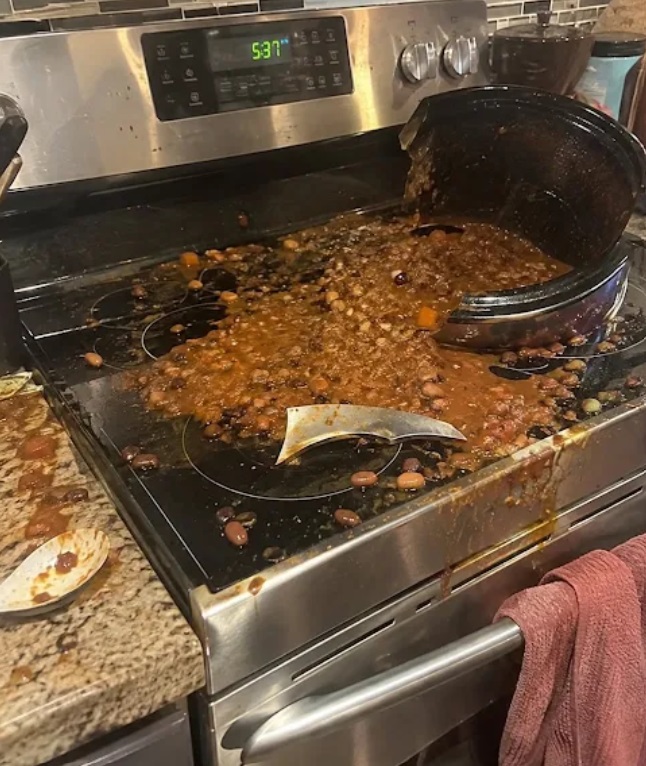
Can You Put a Crockpot on the Stove? What You Need to Know Before Trying It
A slow cooker is a handy kitchen appliance that makes preparing everyday meals much easier. You can add your ingredients, choose the cooking temperature, put the lid on, and let dinner cook while you take care of other things. It’s especially useful for soups, stews, roasts, and other meals that benefit from gentle, extended cooking.
However, some recipes call for browning meat, cooking onions, or sautéing vegetables before adding them to the slow cooker. This extra step can raise a common question: Can you place the removable Crockpot insert directly on the stovetop to save time and avoid using another pan?
The short answer is not unless the manufacturer specifically states that your particular cooking insert is safe for stovetop use. Most traditional slow cookers are not designed to be used directly over a gas or electric burner.
Before trying this shortcut, it’s important to understand how a slow cooker works, why direct heat can damage certain inserts, and which alternatives are safer for everyday cooking.
How Does a Traditional Crockpot Work?
A traditional slow cooker generally has two main components that work together to prepare food at a low, controlled temperature.
- The removable cooking crock: Usually made from ceramic or stoneware, this is the container that holds the ingredients throughout the cooking process.
- The electrical heating base: This is the outer unit that supplies heat to the crock while the appliance is operating.
Unlike a regular saucepan, a slow cooker is designed to distribute heat gradually through its intended heating system. The removable crock sits inside the electrical base, allowing food to cook slowly over several hours.
A stovetop operates differently. A gas flame or electric burner concentrates heat on the bottom of a cooking vessel. This creates a much more direct heating pattern than the one used by a traditional slow cooker.
That difference is why an ordinary ceramic slow-cooker insert should not automatically be treated like a stovetop cooking pot.
Why You Shouldn’t Put a Crockpot Directly on the Stovetop
There are several reasons why placing a traditional slow-cooker crock on a burner can be a problem. The most important concern is that the cookware may not have been manufactured to withstand direct, concentrated heat.
1. The Ceramic Crock Could Crack
One of the main risks is thermal shock. This happens when a material experiences a sudden or uneven temperature change that creates stress within it.
Ceramic and stoneware cookware can be particularly vulnerable to this type of damage. For example, placing a room-temperature crock over a hot burner may cause one section to heat much faster than the rest.
Depending on the material and its construction, this uneven heating can cause cracks or other damage.
The risk may also increase if the crock is already chipped, cracked, cold, or exposed to a sudden temperature change.
A damaged cooking vessel should not be used because it may leak or fail during cooking, potentially causing burns or other kitchen accidents.
2. The Heating Base Is Not Designed for Burner Heat
The electrical heating base is another important part of the appliance.
It contains electrical components and heating elements designed to operate according to the manufacturer’s specifications. It is not intended to function as a regular stovetop pan.
Placing the entire slow cooker on a gas or electric burner can expose its electrical components and outer housing to heat they were not designed to withstand.
This may damage the appliance and create an electrical or fire hazard.
For that reason, never place the complete electrical slow cooker on a stovetop burner.
3. Direct Heat May Affect the Cooking Performance
Traditional slow cookers are designed to maintain relatively gentle cooking conditions over an extended period.
A stovetop burner produces heat differently, and the bottom of an ordinary ceramic insert may become much hotter than the rest of the vessel.
This can cause uneven heating and may lead to food sticking or scorching in certain areas.
Even if the crock appears undamaged after a short period, that doesn’t mean it is suitable for direct stovetop cooking.
Are Removable Crockpot Inserts Stovetop-Safe?
This is where things can get a little confusing.
Not every slow cooker has the same construction. Some modern multi-cookers and certain specialty appliances come with removable cooking pots specifically designed for searing or stovetop use.
However, many traditional Crockpot models use ceramic or stoneware inserts that are intended only for use inside their electrical heating bases.
The fact that a cooking vessel is removable does not automatically mean it can be placed over a flame or electric burner.
Before using yours on the stovetop, check the instruction manual or the manufacturer’s official product information.
Look for specific instructions about:
- Whether the removable insert is approved for direct stovetop use.
- Which heat sources are permitted.
- Whether gas, electric, or induction cooking is supported.
- Any temperature or handling restrictions.
If the manufacturer does not explicitly approve stovetop use, the safest choice is to keep the crock off the burner.
Remember: Stovetop-safe cookware and ordinary slow-cooker inserts are not necessarily the same thing.
Why Do Some Slow Cooker Recipes Ask You to Brown Meat First?
Many slow-cooker recipes recommend browning beef, chicken, or other ingredients before transferring them to the cooking crock.
This step can improve the flavor, color, and texture of a finished meal. Browning meat also creates flavorful browned bits in the skillet that can be used to build a richer sauce or gravy.
For example, when preparing a beef roast, you might brown the outside in a hot skillet before placing it in the slow cooker with broth, onions, and seasonings.
Because the slow cooker insert is removable, it may seem easier to do everything in one container.
However, unless your particular model is specifically approved for stovetop cooking, using the insert this way is not recommended.
A separate skillet is a simple and reliable solution.
The Best Way to Brown Ingredients Before Slow Cooking
You don’t need special equipment or complicated preparation to get good results. An ordinary skillet or sauté pan works well for most slow-cooker recipes that require browning.
Here is a straightforward method:
- Place a regular skillet over medium or medium-high heat, depending on the ingredient.
- Add a little cooking oil if the recipe calls for it.
- Pat the meat dry when appropriate to encourage better browning.
- Place the meat in the skillet and brown it on the necessary sides.
- If needed, sauté onions, garlic, mushrooms, or other vegetables in the same pan.
- Transfer the prepared ingredients into the slow-cooker crock.
- Add the remaining recipe ingredients, secure the lid, and select the recommended cooking setting.
Although this method involves washing an additional pan, it helps protect your slow cooker and allows you to prepare the ingredients properly.
For many recipes, those few extra minutes are well worth it.
Can You Put a Slow Cooker Crock in the Oven?
Stovetop use and oven use are two different things, so they should not be treated as interchangeable.
Some removable ceramic or stoneware slow-cooker inserts are approved for oven use within specific temperature limits. Other models are designed exclusively for slow-cooker operation.
If your manufacturer allows oven use, follow the stated temperature restrictions and handling instructions carefully.
Pay attention to the following details:
- The maximum oven temperature permitted for the cooking crock.
- Whether the lid is oven-safe.
- Whether the handles have separate temperature restrictions.
- Whether the crock needs to reach room temperature before being placed in the oven.
- Any restrictions on preheating or sudden temperature changes.
Never assume that a crock that is oven-safe can also be used on a stovetop. The heating conditions are different, and the manufacturer may approve one type of use without approving the other.
When the instructions are unclear, contact the manufacturer before experimenting.
What Should You Do If You Accidentally Put the Crock on a Burner?
If you have already placed your slow-cooker insert on a stovetop, turn off the burner and allow the vessel to cool naturally.
Avoid pouring cold water into a hot crock or placing it directly under running water. A sudden temperature change can increase the risk of thermal shock.
Once the vessel has cooled completely, inspect it carefully.
Check for:
- Visible cracks along the bottom or sides.
- Chips around the rim.
- Small fractures that may be difficult to notice.
- Any changes that suggest the ceramic structure has been damaged.
If you find a crack or significant damage, stop using the insert. Do not assume it is safe simply because it still holds food or liquid.
When you are uncertain about its condition, consult the manufacturer’s recommendations or replace the damaged component.
Signs Your Slow Cooker Crock May Need Replacing
Like other kitchen cookware, slow-cooker inserts can become damaged through everyday use, accidental impacts, or improper heating.
Before preparing another meal, take a moment to check the condition of the crock.
Some warning signs include:
- Visible cracks: Any crack running through the ceramic or stoneware is a reason to stop using the vessel.
- Large chips: Missing pieces around the bottom, sides, or rim may affect the integrity of the crock.
- Damaged edges: A chipped rim can make the lid fit improperly and may indicate more significant damage.
- Structural changes: Any sign that the vessel is no longer stable or sits unevenly in its heating base deserves attention.
Not every surface mark means the crock is unsafe. However, cracks and structural damage should never be ignored.
If you are unsure whether an insert is still suitable for cooking, check with the manufacturer before using it again.
Common Questions About Using a Crockpot on the Stove
Can I put a ceramic slow-cooker insert on a gas stove?
Generally, no. Traditional ceramic slow-cooker inserts are not designed for direct gas-flame exposure unless the manufacturer specifically approves that use. Always check your model’s instructions first.
Can I put my Crockpot insert on an electric stove?
The same rule applies to electric burners. Direct heat can create uneven temperature changes and damage an insert that is not designed for stovetop cooking.
Can I use my slow cooker insert to brown ground beef?
Only if your specific cooking vessel is approved for stovetop use. Otherwise, brown the ground beef in a regular skillet and transfer it to the slow cooker afterward.
Is it safe to put the entire Crockpot on the stove?
No. The complete electrical appliance should never be placed on a stovetop burner. Its heating base and electrical components are designed for their intended operating conditions, not direct burner heat.
Are all removable slow-cooker pots made of ceramic?
No. Slow cookers come in different designs and materials. Some use ceramic or stoneware crocks, while certain multi-function models have metal cooking pots designed for additional cooking methods. Always check the manufacturer’s specifications.
Can I transfer a cold Crockpot insert directly into a hot oven?
Do not assume this is safe. Even when oven use is approved, sudden temperature changes may damage certain ceramic vessels. Follow the manufacturer’s instructions regarding temperature changes and preheating.
Final Thoughts
A slow cooker is designed to make everyday cooking more convenient, but using it properly is just as important as choosing the right recipe.
Although a removable Crockpot insert may look similar to an ordinary cooking pot, that doesn’t mean it can handle direct heat from a stovetop burner. Traditional ceramic and stoneware inserts are generally designed to work inside their electrical heating bases, where heat is supplied according to the appliance’s intended cooking system.
If your recipe calls for browning meat or sautéing vegetables, reach for a regular skillet unless your specific slow-cooker model clearly states that stovetop cooking is permitted.
It is a small change in your cooking routine, but one that can help protect your cookware, prevent unnecessary damage, and keep your kitchen safer.
When it comes to slow cookers, always follow the manufacturer’s instructions rather than relying on how the cooking insert looks or feels.