
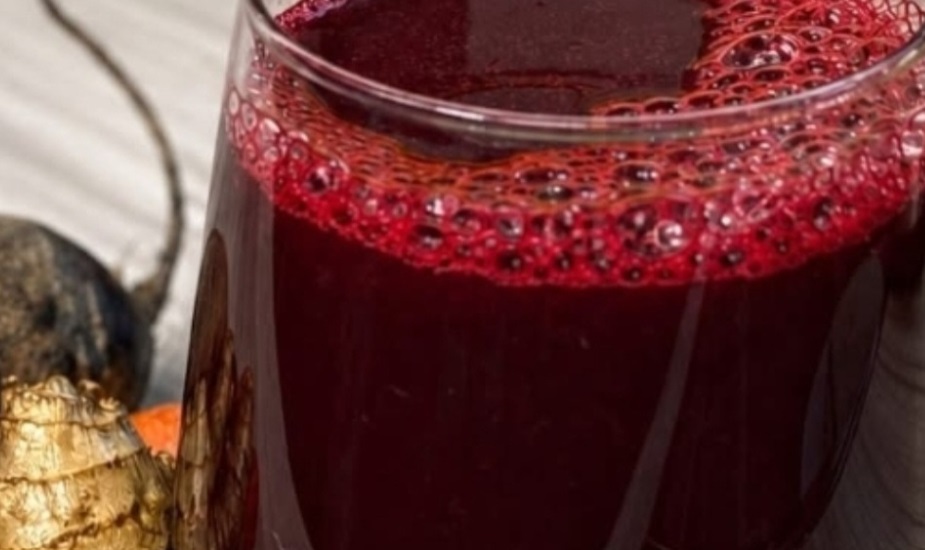
Beetroot, Carrot, and Ginger Juice: Benefits, Nutrition, and How to Make It at Home
Some of the most enjoyable homemade drinks come from combining a few simple ingredients that have always had a place in the kitchen. Beetroot, carrots, and fresh ginger are a wonderful example. Their natural colors, earthy sweetness, and gentle spicy flavor come together to create a refreshing drink that is easy to prepare at home.
This colorful vegetable juice is popular among people looking for simple ways to include more plant-based foods in their daily routines. Beetroot provides naturally occurring nitrates and antioxidant compounds, carrots contribute beta-carotene, and ginger adds its distinctive flavor along with plant compounds that researchers continue to study.
Although this combination is sometimes promoted online as a quick remedy for cholesterol, arthritis, or other health conditions, it is important to separate nutritional facts from exaggerated claims. No vegetable juice can eliminate cholesterol or cure joint disease in three days. However, when enjoyed alongside a balanced diet, this homemade drink can be a flavorful way to add vegetables and variety to your routine.
Let’s look at what each ingredient brings to the glass and how to prepare this simple recipe without an expensive juicer.
Recipe Details
- Servings: 1–2 glasses
- Prep Time: 10 minutes
- Blending Time: 2 minutes
- Total Time: Approximately 12 minutes
- Cooking Method: No-Cook / Blender
- Course: Beverage
- Main Ingredients: Beetroot, carrot, and fresh ginger
Ingredients
- 1 medium beetroot, washed, peeled, and roughly chopped
- 1 large carrot, washed and chopped
- 1-inch piece of fresh ginger root, peeled and sliced
- 1 cup filtered water
- Fresh lemon juice, optional
Directions
- Prepare the vegetables: Wash the beetroot and carrot thoroughly under running water. Peel the beetroot if desired and cut it into small pieces. Chop the carrot into manageable chunks and peel the fresh ginger.
- Add everything to the blender: Place the chopped beetroot, carrot, and ginger into a high-speed blender. Smaller pieces make blending easier and help create a smoother mixture.
- Pour in the water: Add one cup of filtered water to help the ingredients blend properly. If you enjoy a slightly brighter flavor, squeeze in a little fresh lemon juice.
- Blend until smooth: Secure the blender lid and blend on high for approximately 60 to 90 seconds, or until the vegetables form a smooth, thick mixture. Add a little more water if necessary.
- Strain the mixture: Place a fine-mesh strainer or clean nut milk bag over a large measuring cup. Slowly pour the blended mixture through it. Use the back of a spoon to gently press the pulp and collect the liquid.
- Serve immediately: Pour the freshly prepared juice into a glass and enjoy it chilled or at room temperature.
- Adjust to taste: If the flavor is too earthy, add a little more lemon juice. You can also adjust the amount of ginger the next time you prepare it.
Helpful Tip for Busy Mornings: Wash, peel, and chop the beetroot, carrot, and ginger ahead of time. Divide them into individual portions and freeze them in suitable freezer bags. When you’re ready to make the juice, add one portion to the blender with water and blend until smooth.
The Nutritional Benefits of Beetroot, Carrot, and Ginger
Each ingredient contributes its own distinctive nutritional qualities. Together, they create a colorful vegetable drink with several naturally occurring plant compounds.
1. Beetroot: A Natural Source of Dietary Nitrates
Beetroot is recognized for its deep red-purple color, which comes largely from naturally occurring pigments called betalains.
These compounds have antioxidant properties and are an interesting subject of nutritional research.
Beetroot also contains dietary nitrates. The body can convert some of these nitrates into nitric oxide, a molecule involved in regulating blood vessel function and circulation.
Research suggests that nitrate-rich beetroot products may help support healthy blood pressure in some people. However, the results depend on the amount consumed, the preparation, and individual health factors.
Beetroot also provides folate, potassium, and fiber, although some fiber is lost when the juice is strained.
2. Carrots: A Source of Beta-Carotene
Carrots bring natural sweetness and a beautiful orange color to this drink.
Their most familiar nutritional component is beta-carotene, a plant pigment that the body can convert into vitamin A.
Vitamin A plays several important roles, including supporting normal vision, immune function, and healthy skin.
Carrots also contain other naturally occurring antioxidants and plant compounds that contribute to their nutritional value.
Including carrots in a varied diet is a simple way to increase vegetable consumption without relying on heavily processed drinks.
3. Ginger: A Flavorful Ingredient with Interesting Plant Compounds
Fresh ginger gives this juice a gentle warmth that balances the sweetness of the beetroot and carrot.
It contains naturally occurring compounds called gingerols, which are responsible for much of its distinctive flavor.
Researchers have studied ginger and its compounds for their potential antioxidant and anti-inflammatory properties.
Some human studies have also explored ginger supplements for certain types of discomfort, including osteoarthritis symptoms. However, the evidence for ginger juice itself is limited, and it should not be considered a replacement for appropriate medical treatment.
4. A Convenient Way to Add More Vegetables
One practical advantage of this recipe is that it combines three familiar vegetables in a single serving.
For people who struggle to include enough vegetables throughout the day, a homemade juice can offer additional variety.
However, strained juice contains less dietary fiber than eating the whole vegetables. If you prefer to retain more fiber, skip the straining step and enjoy the mixture as a thicker smoothie.
5. Provides a Naturally Colorful, Refreshing Drink
The combination of beetroot, carrot, and ginger creates a vibrant drink without artificial colors or added sweeteners.
It can be enjoyed as part of breakfast or alongside a meal, offering a flavorful alternative to commercially sweetened beverages.
Variations & Tips
- Add fresh lemon: A squeeze of lemon brightens the earthy flavor of beetroot and carrot.
- Include an apple: Add half a fresh apple for extra natural sweetness.
- Make it a smoothie: Skip the straining process to retain more of the vegetables’ natural fiber.
- Adjust the ginger: Start with a smaller piece if you prefer a milder taste.
- Add cucumber: A few pieces of cucumber create a lighter, more refreshing flavor.
- Use cold water: Chilled water helps make the drink refreshing without needing extra ice.
- Keep portions moderate: Vegetable juice can contain naturally occurring sugars and concentrated nutrients, so enjoy reasonable portions rather than treating it as a replacement for meals.
Storage & Reheating
Refrigerator: Fresh vegetable juice is best enjoyed immediately after preparation. If necessary, transfer leftovers to a clean, airtight container, refrigerate promptly, and consume within 24 hours.
Freezing: You can freeze prepared portions in suitable freezer-safe containers, leaving a little room for expansion. Thaw them in the refrigerator and shake or stir well before drinking. The texture and flavor may change slightly.
Preparation Ahead: For easier mornings, prepare and freeze individual portions of chopped vegetables rather than blending the juice several days in advance.
Helpful Tip: Always wash fresh produce thoroughly and use clean equipment when preparing homemade juice.
Frequently Asked Questions
Can I drink beetroot, carrot, and ginger juice every day?
Many people can enjoy moderate amounts of these vegetables as part of a varied diet. However, daily concentrated juice consumption may not be appropriate for everyone, particularly people with certain medical conditions or dietary restrictions. If you have specific health concerns, consult a healthcare professional.
Does this juice lower cholesterol?
There is no reliable evidence that this particular homemade juice eliminates cholesterol or replaces cholesterol-lowering treatment. Carrots and beetroot contain beneficial plant compounds, but cholesterol management depends on overall dietary habits, physical activity, genetics, and sometimes medication.
Can this drink help with arthritis?
Ginger contains compounds that have been investigated for their potential anti-inflammatory properties. However, this juice has not been proven to cure arthritis or eliminate joint pain. Anyone experiencing persistent joint symptoms should seek appropriate medical advice.
Is it better to drink this juice on an empty stomach?
There is no established evidence that drinking it on an empty stomach produces additional nutritional benefits. You can enjoy it whenever it fits comfortably into your routine.
Can I prepare this recipe without a juicer?
Absolutely. A regular kitchen blender works perfectly. Blend the ingredients with water and strain through a fine-mesh strainer if you prefer a thinner juice.
Why does my urine sometimes look reddish after drinking beetroot juice?
Beetroot contains natural pigments called betalains. In some people, these pigments can temporarily cause pink or reddish urine or stool. This phenomenon is commonly called beeturia. However, red urine or stool can also have other causes, so persistent or unexplained discoloration should be checked by a healthcare professional.
Who should be careful with beetroot juice?
People with a history of calcium oxalate kidney stones may need to monitor their beetroot intake because beetroot contains oxalates. Those with low blood pressure or taking blood-pressure medication should also discuss regular concentrated beetroot juice consumption with their healthcare professional. People with kidney disease or other dietary restrictions should follow their clinician’s advice.
Final Thoughts
Beetroot, carrot, and ginger juice is a simple homemade drink that brings together three flavorful ingredients with interesting nutritional qualities.
Beetroot contributes dietary nitrates and betalains, carrots provide beta-carotene, and ginger adds warmth along with naturally occurring plant compounds. Together, they make a colorful addition to a balanced eating routine.
Rather than expecting a three-day miracle or a cure for chronic health conditions, enjoy this recipe for what it genuinely offers: a refreshing way to include more vegetables and explore the flavors of fresh ingredients.
Sometimes, the best kitchen habits are the simplest ones, especially when they are enjoyable enough to keep coming back to.