
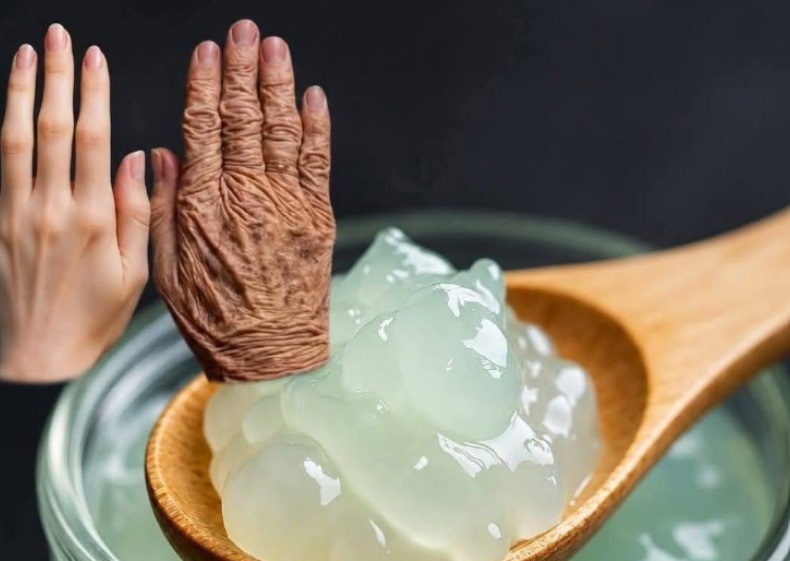
Many people enjoy trying simple homemade skincare recipes, especially when they include familiar ingredients like aloe vera. You may have seen claims online that a homemade gel can erase wrinkles or make skin look younger overnight. But is that really possible?
Aloe vera is known for its moisturizing and soothing properties. It may help dry skin feel softer and more refreshed, but there is no reliable evidence that homemade aloe vera gel can remove wrinkles or reverse skin aging.
If you enjoy natural skincare, this simple recipe may be worth trying as a gentle moisturizing addition to your routine.
DIY Aloe Vera Hydrating Face Gel
Ingredients
- 2 tablespoons pure aloe vera gel
- 1 teaspoon vegetable glycerin (optional)
- 1 teaspoon rose water (optional)
- 2 drops vitamin E oil (optional)
Instructions
- Place the aloe vera gel in a clean bowl.
- Add the glycerin, rose water, and vitamin E oil.
- Mix gently until everything is combined.
- Transfer to a clean, airtight container.
Because this homemade mixture contains no tested preservative, prepare a small fresh batch and avoid storing it for extended periods.
How to Use
- Wash your face with a gentle cleanser.
- Apply a small amount of gel to a small area first.
- Check for irritation before wider use.
- Follow with your regular moisturizer if needed.
Avoid applying it to broken skin or near your eyes. Stop using it if redness, itching, or burning develops.
Potential Benefits of Aloe Vera
Aloe vera may offer a few simple skincare benefits:
- Light Hydration: Helps dry skin feel softer.
- Refreshing Feel: Its lightweight texture can feel pleasant on the skin.
- Skin Comfort: Some people find it soothing when their skin feels dry.
These effects are mainly related to temporary hydration. They should not be confused with wrinkle removal or permanent skin tightening.
What Actually Helps Reduce Wrinkles?
For people concerned about fine lines and premature skin aging, some skincare habits have better scientific support:
- Daily Sunscreen: Use broad-spectrum SPF 30 or higher to protect against sun-related skin damage.
- Regular Moisturizing: Products containing glycerin, hyaluronic acid, or ceramides help maintain skin hydration.
- Retinol: Certain retinoid products may improve the appearance of fine wrinkles over time. They can cause irritation and are generally avoided during pregnancy.
- Healthy Habits: Avoid smoking, eat a balanced diet, and get enough sleep.
Consistency matters more than expensive products or overnight beauty promises.
Important Tips Before Trying Homemade Skincare
Always perform a patch test before applying a new mixture to your face.
- Use clean hands, utensils, and containers.
- Avoid using homemade mixtures on irritated or damaged skin.
- Do not assume refrigeration makes homemade skincare safe for long-term storage.
- Stop using the product if irritation develops.
Frequently Asked Questions
Can aloe vera remove wrinkles overnight?
No. Aloe vera may temporarily improve the appearance of dry skin, but it has not been proven to remove wrinkles.
Can I use aloe vera gel every day?
Some commercially prepared products are suitable for regular use. With homemade mixtures, start cautiously and watch for irritation.
Does vitamin E help with wrinkles?
Vitamin E is used in skincare products, but evidence that vitamin E oil alone significantly reduces wrinkles is limited.
What is the best way to prevent premature wrinkles?
Daily sunscreen, regular moisturizing, and avoiding excessive sun exposure are among the most useful habits.
Final Thoughts
Homemade aloe vera gel can be a refreshing addition to your skincare routine, especially if your skin enjoys lightweight hydration. However, it is not a miracle treatment for wrinkles or aging skin.
For healthier-looking skin, focus on gentle skincare, daily sun protection, and products with demonstrated benefits. Remember, natural ingredients can be useful, but realistic expectations and consistent care matter most.
Disclaimer: This article is for general educational purposes and is not a substitute for professional dermatological advice.