
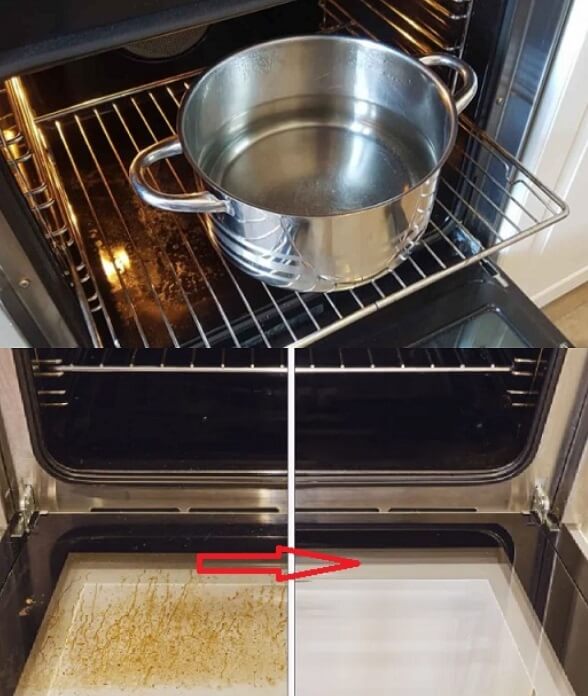
How to Clean Your Oven Naturally with Baking Soda and Vinegar
Cleaning the oven is one of those kitchen chores most of us would rather put off. Grease splatters, baked-on food, and stubborn brown stains can build up over time, making the job feel much bigger than it needs to be. And while commercial oven cleaners are available, some come with strong odors and require careful handling.
The good news is that you can tackle everyday oven grime with two inexpensive household ingredients: baking soda and white vinegar. Baking soda makes a mildly abrasive cleaning paste that helps loosen greasy residue, while vinegar can help remove leftover baking soda and surface deposits. With a little patience and some gentle wiping, you can freshen up your oven without relying on harsh commercial cleaners.
This simple cleaning routine is especially useful for regular oven maintenance, cloudy glass doors, and light to moderate grease buildup. The secret is to let the paste sit long enough to soften the mess instead of trying to scrub everything away at once.
Why You’ll Love This Natural Oven Cleaning Method
– Budget-Friendly: Baking soda and white vinegar are inexpensive household staples.
– Simple Ingredients: You don’t need a long list of specialized cleaning products.
– Less Scrubbing: Allowing the baking soda paste to sit helps loosen dried-on residue.
– Great for Oven Glass: Baking soda paste can help remove many cloudy marks and greasy fingerprints.
– Easy to Follow: The process involves a few simple steps and basic cleaning supplies.
– Useful for Regular Maintenance: It’s a practical way to keep everyday grease and food splatters from building up.
What You’ll Need
– ½ cup baking soda
– 2–3 tablespoons water
– ½ cup white vinegar
– Rubber gloves
– Microfiber cloths or a soft sponge
– Plastic scraper (optional)
– Small mixing bowl
– Spray bottle
How to Clean Your Oven with Baking Soda and Vinegar
Step 1: Prepare the Baking Soda Paste
In a small bowl, combine the baking soda with 2–3 tablespoons of water. Stir until you have a thick, spreadable paste with a consistency similar to frosting.
If the mixture feels too dry, add a little more water. If it’s too runny, sprinkle in a little additional baking soda.
Step 2: Apply the Paste to the Oven Interior
Make sure the oven is completely switched off and cool before you begin. Put on your rubber gloves and spread the baking soda paste over the dirty interior surfaces.
Pay particular attention to greasy corners, stained areas, and spots with dried food residue.
Avoid applying the paste to heating elements, fans, vents, and other components that the manufacturer advises against cleaning this way.
Step 3: Let the Paste Sit
Allow the baking soda mixture to rest so it has time to soften the grime.
For light buildup, leave it for approximately 15–30 minutes. For more stubborn residue, a longer soaking period may help, provided your oven manufacturer’s instructions allow this method.
You don’t need to scrub immediately. Giving the paste time to work makes the next step easier.
Step 4: Wipe Away the Baking Soda
Dampen a microfiber cloth or soft sponge with warm water and begin wiping away the paste.
Work in small sections, rinsing your cloth frequently so you don’t spread loosened grease around the oven.
For stubborn spots, gently lift the softened residue with a plastic scraper if your oven’s surface instructions permit it. Avoid metal tools and abrasive scrubbers that can damage the enamel.
Step 5: Use Vinegar to Remove Remaining Residue
If a white baking soda film remains, lightly spray a little white vinegar onto the affected area or apply it with a damp cloth.
You may notice some fizzing as the vinegar reacts with the remaining baking soda. Once the reaction settles, wipe the surface thoroughly with a clean, damp cloth.
The vinegar and baking soda reaction is mainly a neutralization reaction, so you don’t need to use large quantities of both ingredients together.
Step 6: Clean the Oven Glass Door
For a cloudy or greasy oven door, mix a little baking soda with water to create another spreadable paste.
Apply a thin layer to the glass, avoiding the door seals and edges where residue could collect. Let it sit for about 15 minutes.
Gently wipe with a soft, damp cloth. If necessary, use a little diluted vinegar to remove remaining baking soda residue, then buff the glass dry with a clean microfiber cloth.
Step 7: Finish with a Final Wipe
Once the interior is clean, go over the surfaces one more time with a fresh, damp microfiber cloth to remove any remaining residue.
Dry the surfaces with a clean cloth and leave the oven door open until everything is completely dry.
Your oven is now ready for its next cooking adventure!
The Steam Cleaning Trick for Light Oven Maintenance
If your oven only has a few fresh food splatters, steam can help loosen the residue before wiping.
Here’s a simple method:
1. Check your oven manufacturer’s instructions to make sure manual steam cleaning is suitable.
2. Place an oven-safe dish containing water on an appropriate oven rack.
3. Heat the oven to approximately 250°F (120°C) for 20–30 minutes.
4. Switch off the oven and allow it to cool sufficiently.
5. Carefully remove the dish using oven mitts.
6. Wipe away the softened splatters with a damp cloth.
Steam helps soften fresh food residue, making it easier to remove. However, it won’t necessarily remove thick, carbonized grease or years of baked-on buildup.
Never pour water directly onto the oven floor or heating elements, and be careful when handling hot water and steam.
Important Oven Cleaning Mistakes to Avoid
Even simple homemade cleaning methods need a little care. Keep these tips in mind before getting started.
– Avoid Steel Wool: Metal scrubbers and harsh abrasive pads can scratch or damage oven enamel and glass.
– Keep Cleaning Products Away from Heating Elements: Don’t coat heating elements, fans, vents, or electrical components with baking soda paste.
– Don’t Mix Different Cleaning Products: Never combine vinegar or other household ingredients with commercial oven cleaners. Follow the product manufacturer’s safety instructions.
– Check Your Oven Manual: Some ovens have special enamel coatings, catalytic liners, or self-cleaning surfaces that require specific cleaning methods.
– Don’t Forget the Door Seals: Avoid rubbing or applying cleaning paste to rubber or fiberglass seals, as they can be damaged.
– Always Clean a Cool Oven: Never apply homemade cleaning mixtures to a hot oven.
Why Choose Baking Soda and Vinegar?
Baking soda and white vinegar are popular household cleaning staples because they’re inexpensive and versatile. Each has a different role in this cleaning routine.
Baking Soda: Baking soda is mildly alkaline and provides gentle abrasive action. When mixed with water, it forms a paste that helps loosen greasy residue and dried food stains.
White Vinegar: White vinegar is acidic and can help dissolve certain mineral deposits and remove leftover baking soda residue. It is useful during the final wiping stage.
Together: When baking soda and vinegar meet, they produce carbon dioxide bubbles. This fizzing can help loosen some surface debris, although the reaction also neutralizes much of the acidity and alkalinity. For that reason, applying baking soda first and using vinegar sparingly afterward is often more practical than mixing them into one cleaning solution.
Frequently Asked Questions
Can I clean my oven with baking soda and vinegar?
Yes, baking soda paste can help loosen many types of everyday grease and food residue. White vinegar can then be used sparingly to help remove remaining baking soda. Always check your oven manufacturer’s cleaning recommendations first.
How long should I leave baking soda in the oven?
For light dirt, approximately 15–30 minutes may be enough. More stubborn stains may require a longer period. Follow your oven manufacturer’s instructions, particularly if it has a special interior coating.
Can I use this method on a self-cleaning oven?
It depends on the oven model. Some self-cleaning ovens have special interior coatings that shouldn’t be treated with homemade pastes or abrasive products. Check the manufacturer’s manual before applying anything to the interior.
Is baking soda safe for oven glass?
Baking soda can be used on some oven glass surfaces, but it should be applied gently. Avoid aggressive scrubbing, abrasive pads, and scraping tools unless the manufacturer specifically permits them.
Can I clean oven racks with baking soda and vinegar?
Some standard metal oven racks can be cleaned with mild household cleaning methods, but the safest approach depends on their finish. Check the manufacturer’s recommendations before soaking or scrubbing them. Avoid applying this method to cast-iron or specially coated racks without checking the care instructions.
Does vinegar remove burnt-on grease?
Vinegar can help with certain surface deposits, but it isn’t a powerful solution for thick, carbonized grease. Baking soda paste, time, and gentle mechanical cleaning may help with lighter buildup. Heavy deposits may require an oven cleaner approved for your particular appliance.
How often should I clean my oven?
A quick wipe after spills have cooled can prevent food residue from accumulating. A more thorough cleaning every few months may be helpful, depending on how frequently you use your oven.
Final Thoughts
A dirty oven doesn’t always require expensive cleaning products or hours of hard scrubbing. Sometimes, a little baking soda, some warm water, and a few microfiber cloths are enough to make everyday kitchen cleaning much easier.
This simple method is a practical option for tackling light grease, cloudy glass, and ordinary food splatters while keeping your cleaning routine affordable. Just remember to check your oven manufacturer’s instructions, avoid sensitive components, and give stubborn residue plenty of time to loosen.
The next time you notice grease building up inside your oven, try giving it a little attention before the mess gets worse. Your future self will appreciate having one less big kitchen chore to tackle!