
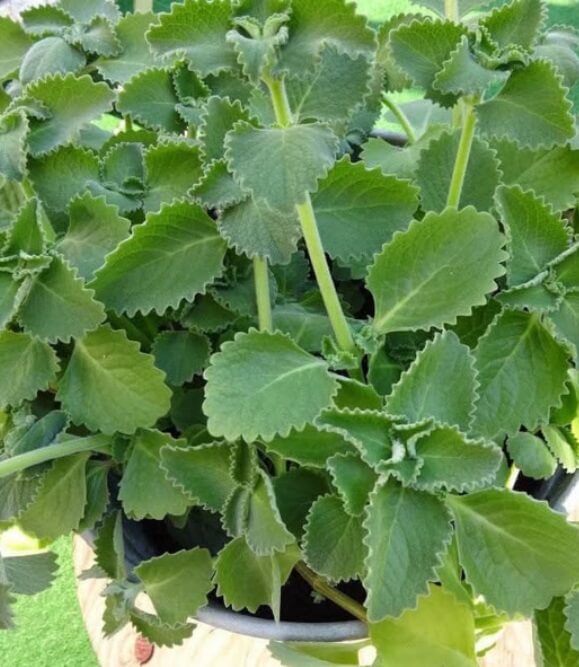
Oregano: Nutritional Benefits, Uses, and Important Safety Tips
Oregano is much more than a familiar seasoning sprinkled over pizza or stirred into pasta sauce. This fragrant Mediterranean herb has been part of traditional cooking for generations, adding a warm, earthy flavor to everything from roasted vegetables to homemade soups.
Beyond its place in the kitchen, oregano contains naturally occurring plant compounds, including carvacrol, thymol, and other antioxidants. These compounds have attracted scientific interest because of their properties in laboratory research.
Whether you use fresh oregano from the garden or keep a jar of dried leaves in your pantry, this versatile herb offers an easy way to add flavor and variety to everyday meals.
What Makes Oregano Special?
Oregano (Origanum vulgare) belongs to the mint family and is widely used in Mediterranean and other regional cuisines.
Its distinctive aroma comes partly from naturally occurring compounds found in its leaves and essential oil.
Some of the best-known compounds include:
- Carvacrol: A naturally occurring plant compound studied for its antioxidant and antimicrobial properties.
- Thymol: An aromatic compound also found in other herbs, including thyme.
- Rosmarinic Acid: A plant-based compound with antioxidant activity.
- Flavonoids: Naturally occurring compounds found in many fruits, vegetables, and herbs.
The amount and composition of these compounds can vary depending on the oregano variety, growing conditions, harvesting, and processing methods.
1. Contains Naturally Occurring Antioxidants
Oregano contains several plant compounds that have antioxidant properties.
Antioxidants help protect cells from oxidative damage caused by unstable molecules known as free radicals.
Although laboratory studies have explored the antioxidant activity of oregano extracts, this does not mean that eating oregano prevents or treats chronic diseases.
Adding herbs such as oregano to a varied diet is simply one enjoyable way to include more plant-based compounds in everyday meals.
2. Has Compounds Studied for Antimicrobial Properties
One interesting area of oregano research involves its naturally occurring essential oil compounds, particularly carvacrol and thymol.
Laboratory studies have examined how these compounds interact with certain bacteria and fungi.
However, results obtained in test tubes do not automatically translate into the same effects in humans. More clinical research is needed to understand whether these findings have practical health applications.
Oregano should never be considered a replacement for prescribed medication or professional treatment for infections.
3. Adds Flavor to Digestion-Friendly Meals
Oregano has traditionally been used in cooking and herbal preparations after meals.
Its strong aroma and pleasant flavor make it a popular addition to dishes containing vegetables, beans, tomatoes, and lean proteins.
While oregano is not a proven treatment for bloating, indigestion, or other digestive conditions, using flavorful herbs can make balanced home-cooked meals more enjoyable.
4. Provides Plant Compounds That Support a Balanced Diet
Fresh and dried oregano contain small amounts of naturally occurring vitamins, minerals, and beneficial plant compounds.
Like other culinary herbs, oregano can contribute variety to a diet built around vegetables, fruits, whole grains, and other nutrient-rich foods.
It is important to remember that the amount of oregano typically used in cooking is relatively small, so it should not be treated as a major source of essential nutrients.
5. A Versatile Addition to Everyday Cooking
One of the best reasons to keep oregano in your kitchen is how easily it works with other ingredients.
Its earthy, slightly peppery flavor pairs especially well with tomatoes, garlic, olive oil, lemon, and many Mediterranean dishes.
Using herbs and spices can also help add flavor to meals without relying heavily on extra salt.
Easy Ways to Use Oregano
You don’t need complicated recipes to enjoy this fragrant herb. Here are some simple ideas:
- Homemade Tomato Sauce: Add dried oregano to tomato sauce for pasta, pizza, or baked dishes.
- Roasted Vegetables: Sprinkle oregano over potatoes, zucchini, peppers, or carrots before roasting.
- Salad Dressings: Mix fresh or dried oregano with olive oil, lemon juice, and black pepper.
- Marinades: Combine oregano with garlic, lemon, and olive oil for chicken or vegetables.
- Homemade Soups: Add a little oregano to vegetable, bean, or tomato soup.
- Herbal Tea: Fresh or dried oregano can be steeped in hot water for a fragrant herbal drink.
Culinary Oregano vs. Oregano Essential Oil
These two products are not interchangeable, and understanding the difference is important.
Fresh or Dried Oregano
Culinary oregano is commonly used in ordinary food amounts. It is a familiar kitchen herb that can be added to sauces, salads, marinades, and cooked meals.
Oregano Essential Oil
Essential oil is highly concentrated and contains much larger amounts of aromatic plant compounds than culinary oregano.
It should not be treated like an ordinary cooking ingredient. Swallowing concentrated essential oils can cause irritation, digestive discomfort, or other unwanted effects.
Do not ingest oregano essential oil unless specifically directed by a qualified healthcare professional. Dilution does not automatically make an essential oil safe to swallow or apply to the skin.
Important Safety Tips
Although oregano is commonly used as a culinary herb, concentrated products deserve additional care.
- Pregnancy and Breastfeeding: Ordinary food amounts are different from concentrated supplements or essential oils. Ask a healthcare professional before using medicinal preparations.
- Medication Interactions: People taking warfarin, other blood-thinning medications, or regular prescription treatments should discuss concentrated oregano products with their healthcare provider.
- Allergies: People who are sensitive to plants in the mint family may also react to oregano.
- Essential Oil Safety: Avoid swallowing concentrated oregano oil or applying it undiluted to the skin.
- Medical Conditions: Oregano products should not replace prescribed treatments for bacterial, fungal, or other infections.
Final Thoughts
Oregano is a wonderful example of how a simple kitchen herb can bring both flavor and interesting plant compounds to everyday meals.
Its natural aroma, versatility, and long history in traditional cooking make it a useful ingredient to keep close at hand. While scientific research continues to explore compounds such as carvacrol and thymol, many of the health claims associated with concentrated oregano products still need stronger human evidence.
For everyday enjoyment, fresh or dried oregano is an easy choice for soups, sauces, vegetables, and homemade meals. Use it generously as a seasoning, appreciate its flavor, and approach concentrated herbal products with appropriate care.