
Introduction
Bug bites are a common part of everyday life, especially during warmer seasons. While most bites are harmless, some can cause discomfort, allergic reactions, or even require medical attention.
Understanding the difference between various insect bites can help you respond appropriately and avoid unnecessary worry. Each type of bite has its own appearance, symptoms, and level of irritation.
In this guide, you’ll learn how to identify the most common bug bites and the best ways to manage them safely.
1. Mosquito Bites
- Appearance: Small, round, pink or red bump
- Texture: Slightly raised and soft
- Itch Level: High
- Common Areas: Arms, legs, neck, face
Signs: Appears shortly after being bitten, often in small groups.
Tip: Avoid scratching; use anti-itch cream to prevent irritation.
2. Flea Bites
- Appearance: Tiny red dots in clusters or lines
- Texture: Hard, raised
- Itch Level: Very high
- Common Areas: Ankles, lower legs
Signs: Often linked to pets or carpets.
Tip: Check bedding and clean living areas regularly.
3. Bed Bug Bites
- Appearance: Red, itchy marks in lines or clusters
- Texture: Swollen
- Common Areas: Face, arms, neck
Signs: Appear after sleep; may notice marks on bedding.
Tip: Inspect mattresses and furniture carefully.
4. Head Lice Bites
- Appearance: Small red bumps
- Common Areas: Behind ears, back of neck
Signs: Persistent itching and visible eggs in hair.
Tip: Use medicated shampoo and wash personal items.
5. Spider Bites
Appearance: Redness with possible swelling
Sensation: May be painful
Signs: Usually a single bite that may worsen over time.
Tip: Seek medical advice if symptoms increase or unusual reactions appear.
6. Fire Ant Bites
Appearance: Red bump that may form a small blister
Sensation: Burning followed by itching
Signs: Multiple bites in one area.
Tip: Avoid scratching or breaking the blister.
7. No-See-Um Bites
Appearance: Small red bumps
Itch Level: Very high
Signs: Common near water or humid environments.
Tip: Use insect repellent and wear protective clothing.
8. Bee or Wasp Stings
- Appearance: Swollen red area
- Sensation: Sharp pain
Signs: Immediate discomfort after sting.
Tip: Remove stinger gently and monitor for allergic reactions.
9. Chigger Bites
- Appearance: Red, pimple-like bumps
- Common Areas: Waist, ankles
Signs: Appear after outdoor exposure.
Tip: Shower after outdoor activities.
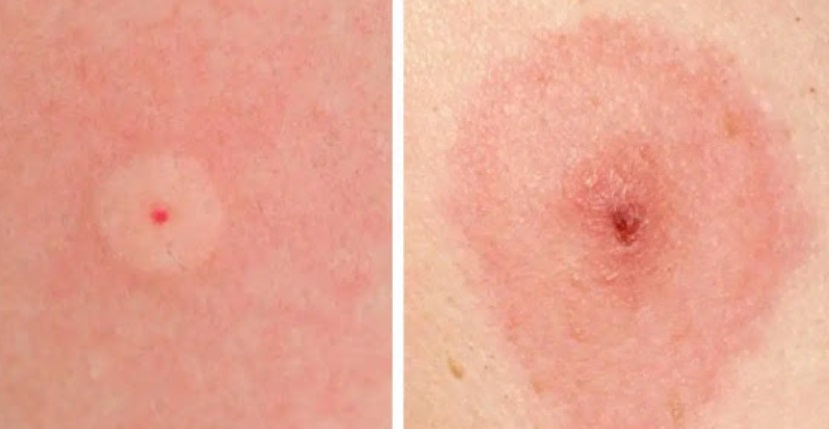
10. Tick Bites
Appearance: Small red spot, sometimes expanding rash
Risk Level: Higher than most bites
Signs: Tick attached to skin or rash appearing later.
Tip: Remove carefully with tweezers and monitor symptoms.
When to See a Doctor
Seek medical attention if you notice:
Signs of infection (increasing redness or swelling)
Strong allergic reactions
Persistent or worsening symptoms
Unusual rash or flu-like symptoms
Final Thoughts
Most bug bites are harmless and can be managed easily at home. Knowing how to identify them allows you to respond calmly and effectively.
Taking simple precautions—like using repellent and keeping your environment clean—can significantly reduce your risk of bites.
⚠️ Medical Disclaimer
This article is for informational purposes only and does not replace professional medical advice. Consult a healthcare provider if symptoms persist or worsen