
Introduction
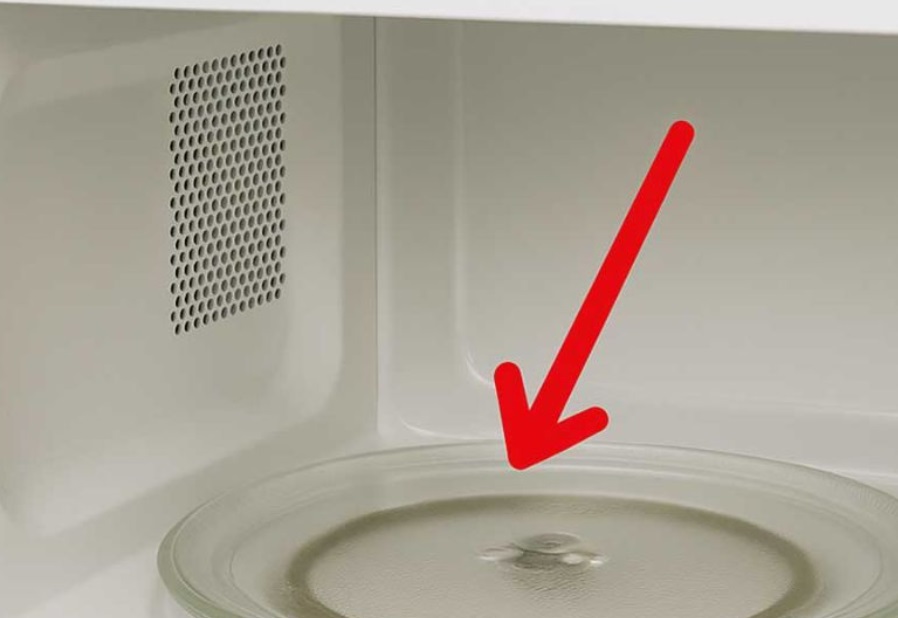
Most of us use a microwave every day without giving much thought to how it actually works. We place food on the glass plate, press a button, and within minutes our meal is hot and ready. But beneath that spinning plate is a small component that quietly does an important job—the microwave ring cover.
Many people have noticed this circular plastic piece with little wheels underneath the glass tray but never really questioned its purpose. Some even remove it when cleaning, thinking it’s optional or simply there for support. In reality, this small part plays a key role in how your microwave cooks food evenly.
Understanding what the microwave ring cover does can help you avoid common mistakes, improve your microwave’s performance, and even extend the lifespan of the appliance. Let’s take a closer look at why this often-ignored part matters more than you might think.
What Is a Microwave Ring Cover?
The microwave ring cover is the circular plastic ring located under the glass turntable inside your microwave. It usually contains several small wheels or rollers that allow the turntable to rotate smoothly during operation.
Its main job is simple but essential:
to help the glass tray spin evenly while the microwave is running.
When the tray rotates correctly, microwave energy spreads more evenly throughout the food. This helps avoid hot spots and cold areas, which means your food heats more consistently.
How the Microwave Ring Cover Works
Microwaves heat food using electromagnetic waves that bounce around inside the oven cavity. If the food stays in one place, certain parts may absorb more energy than others.
The rotating turntable solves this problem.
The ring cover supports the turntable and allows it to spin smoothly. The small wheels reduce friction and distribute the weight of the plate and food. Without this mechanism, the turntable could wobble, stall, or rotate unevenly.
This small design detail helps ensure that food heats thoroughly from all sides.
Why You’ll Love Understanding This Small Appliance Feature
Learning about the microwave ring cover can actually improve your daily kitchen routine.
Better cooking results
Food heats more evenly when the turntable rotates correctly.
Less noise during operation
The ring helps stabilize the plate, reducing rattling or grinding sounds.
Longer microwave lifespan
Proper support prevents strain on the microwave’s motor.
Cleaner and safer use
Knowing its purpose helps you reinstall it correctly after cleaning.
Sometimes the smallest kitchen components make the biggest difference.
Common Misconceptions About the Microwave Ring Cover
Many users misunderstand the purpose of this component.
“It’s just a plastic spacer.”
In reality, it is part of the turntable rotation system.
“You can remove it permanently.”
Without it, the glass tray may not rotate properly.
“It doesn’t affect cooking.”
Uneven heating often occurs when the tray cannot spin smoothly.
These misconceptions often lead people to discard or misplace the ring cover, which can reduce microwave efficiency.
Practical Uses of the Microwave Ring Cover
Here are the main ways this small component supports your microwave:
Ensures smooth turntable rotation for even heating.
Reduces operational noise by stabilizing the tray.
Distributes weight to prevent wobbling.
Protects the motor from excess strain.
Helps extend the appliance’s overall lifespan.
Even though it looks simple, the ring cover is part of a carefully designed system.
Helpful Tips for Maintaining the Ring Cover
Keeping the ring cover clean and properly positioned will help your microwave work better.
Clean it regularly
Food spills and grease can build up on the wheels.
Check the wheels
Make sure they spin freely and are not stuck.
Reinstall it correctly
Always place it evenly before putting the glass tray back.
Avoid overloading the tray
Very heavy dishes can strain the rollers.
These small habits can keep your microwave running smoothly.
Variations in Microwave Turntable Systems
Not every microwave uses the exact same design.
Some models include:
- Roller rings with three wheels
- Rings with multiple small rollers
- Fixed turntable systems without removable rings
- Flatbed microwaves that use different heating technology
Even though designs vary, the purpose remains the same: helping distribute heat evenly.
Frequently Asked Questions
1. Can a microwave work without the ring cover?
Technically yes, but it will not heat food evenly and may strain the motor.
2. Why is my microwave making a grinding noise?
The ring cover may be dirty, misaligned, or have damaged wheels.
3. How often should I clean it?
A quick rinse every few weeks is usually enough.
4. Can I replace a broken ring cover?
Yes, replacement rings are inexpensive and easy to install.
5. Are all microwave ring covers the same?
No, sizes vary depending on the microwave model.
6. What happens if the wheels stop turning?
The turntable may stop rotating or become noisy.
7. Can the ring cover go in the dishwasher?
Most plastic rings are dishwasher safe, but check your microwave manual.
8. Why does my turntable wobble?
The ring cover may not be seated correctly or could be worn out.
9. Is the ring cover necessary for small food portions?
Yes, because it supports the turntable regardless of food size.
10. Does every microwave have one?
Most traditional microwaves with glass turntables use a ring cover or roller ring.
Small Kitchen Parts That Make a Big Difference
The microwave ring cover may seem like a minor detail, but it plays an important role in how your microwave performs. By supporting the turntable, reducing vibration, and helping distribute heat evenly, it ensures your food cooks properly every time.
Next time you clean your microwave, take a moment to check this small but essential part. Keeping it in place and in good condition can help your appliance run smoothly for years.
Sometimes the most overlooked kitchen components are the ones quietly doing the most important work.