
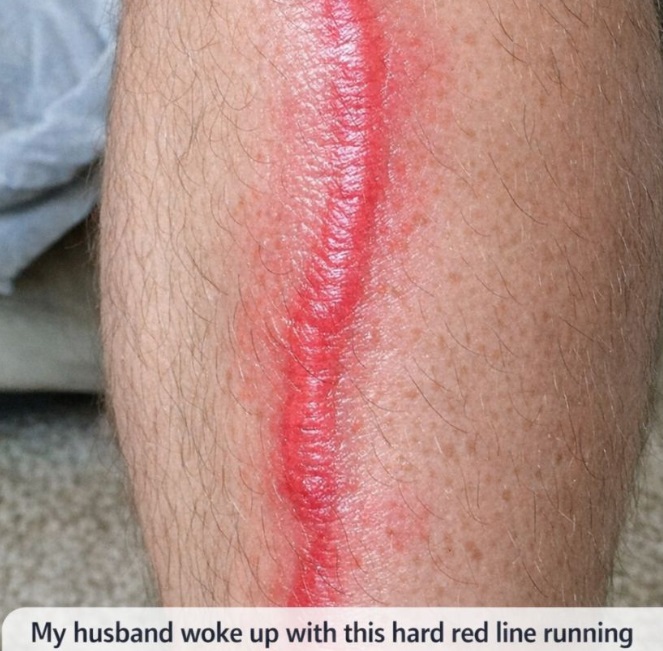
Noticing a sudden red streak on the leg can feel unsettling, especially if it appears warm, tender, or painful. Many people immediately worry about circulation problems, infections, or blood clots, and while some causes are minor, others may need prompt medical evaluation. Staying calm and paying attention to accompanying symptoms can help you make safer decisions while waiting to speak with a healthcare professional.
A red line or inflamed area on the leg may be linked to irritation of a surface vein, a skin infection, or another circulation-related issue. The severity can vary depending on symptoms such as swelling, fever, or increasing pain. This guide explains common possibilities in simple language, outlines warning signs to monitor, and offers practical steps that may help while seeking medical advice.
Possible Causes of a Red Line on the Leg
A visible red streak or tender line along the leg can happen for several reasons. Some of the more common possibilities include:
- Skin irritation or inflammation
- Minor infection near the skin surface
- Inflamed superficial veins
- Circulation-related conditions
- Reactions to recent injury, bug bites, or scratches
In some situations, a healthcare provider may evaluate for conditions such as superficial thrombophlebitis, which involves inflammation in a vein close to the skin’s surface. A medical exam is important because symptoms can overlap with other conditions.
Symptoms Worth Monitoring
While waiting for medical care, it can help to keep track of symptoms and whether they change over time.
Watch for:
- Increasing redness or swelling
- Warmth around the area
- Pain that worsens while walking or standing
- Fever or chills
- Skin discoloration
- Swelling affecting the entire leg
- Shortness of breath or chest discomfort
If symptoms suddenly worsen or spread quickly, it’s best to seek urgent medical attention.
When Medical Attention May Be Needed Quickly
Some symptoms may require faster evaluation by a healthcare professional or urgent care provider.
Seek immediate medical care if there is:
- Difficulty breathing
- Chest pain
- Severe swelling in one leg
- Rapidly spreading redness
- High fever
- Dizziness or fainting
- Sudden weakness or confusion
These symptoms can sometimes be associated with serious medical conditions and should not be ignored.
Simple Comfort Measures While Waiting for Care
If symptoms appear mild and stable, certain at-home comfort measures may help temporarily while waiting for professional evaluation.
You can consider:
- Resting the affected leg
- Elevating the leg while sitting
- Staying hydrated
- Avoiding long periods of standing
- Using a warm compress for comfort
- Wearing loose, comfortable clothing
Some people use over-the-counter anti-inflammatory medication for temporary discomfort relief, but it’s always safest to follow package directions and speak with a healthcare provider when possible.
Who May Have Higher Risk for Vein or Circulation Problems?
Certain factors may increase the likelihood of circulation-related conditions, including:
- Long periods of inactivity
- Smoking
- Obesity
- Varicose veins
- Recent surgery or injury
- Pregnancy
- Family history of circulation disorders
Maintaining regular movement, hydration, and a healthy lifestyle may support better circulation over time.
How Doctors May Evaluate These Symptoms
Healthcare providers may perform:
- A physical examination
- Questions about symptom history
- Ultrasound imaging
- Blood testing if needed
Treatment depends entirely on the underlying cause. Some cases may require simple monitoring, while others may involve medications or additional care.
Supporting Long-Term Vein and Circulation Health
Healthy daily habits may help reduce future circulation concerns. Many doctors encourage:
- Regular physical activity
- Maintaining a healthy weight
- Staying hydrated
- Avoiding smoking
- Taking breaks during long travel or sitting periods
Compression socks may also be recommended in certain situations by healthcare professionals.
Final Thoughts
Seeing a sudden red line on the leg can be stressful, especially when symptoms appear unexpectedly. While some causes may be minor and temporary, others deserve prompt medical evaluation. Paying attention to warning signs, monitoring symptoms carefully, and seeking professional care when needed can help protect long-term health and provide peace of mind.
Simple awareness and early attention often make a big difference when it comes to circulation and vein-related concerns.