
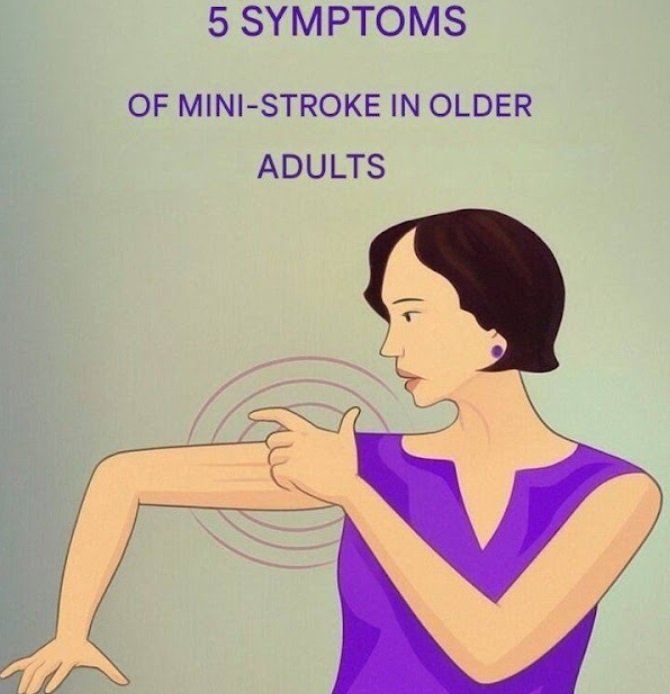
A mini stroke, medically called a Transient Ischemic Attack (TIA), happens when blood flow to part of the brain is temporarily reduced. Even though symptoms may disappear within minutes or hours, it should never be ignored. In many cases, a TIA can be an early warning sign of a more serious stroke later on.
For older adults, recognizing the symptoms early and seeking medical attention quickly can make a major difference.
1. Sudden Loss of Balance
A person may suddenly feel dizzy, unsteady, or have trouble walking normally. Sometimes this is mistaken for fatigue or aging, but sudden balance problems should always be taken seriously.
2. Unexpected Vision Changes
This may include:
- Blurred vision
- Double vision
- Temporary vision loss in one or both eyes
Even if vision returns to normal quickly, it’s important to get medical advice.
3. Facial Drooping or Numbness
One side of the face may appear uneven or feel numb. A simple smile test can sometimes reveal the difference more clearly.
4. Weakness in an Arm or Leg
Sudden weakness, tingling, or numbness—especially on one side of the body—can be a warning sign. Some people describe it as heaviness or difficulty lifting an arm.
5. Trouble Speaking
Speech may suddenly become:
- Slurred
- Confusing
- Hard to understand
Some people may also struggle to understand simple conversations.
Why Seniors Are More at Risk
The risk of stroke increases with age, especially in people with:
- High blood pressure
- Diabetes
- Heart conditions
- High cholesterol
Because symptoms can sometimes seem mild at first, they may be overlooked or mistaken for normal aging.
When to Seek Medical Attention
If any of these symptoms appear suddenly, it’s important to seek emergency medical care right away—even if the symptoms go away quickly.
Early treatment may help lower the risk of a more serious stroke in the future.
Simple Ways to Support Brain and Heart Health
- Stay physically active
- Eat a balanced diet
- Manage blood pressure and blood sugar
- Avoid smoking
- Keep regular medical checkups
Final Thoughts
A mini stroke may only last a short time, but it should always be taken seriously. Paying attention to early warning signs and acting quickly can help protect long-term health and independence.
This article is for informational purposes only and should not replace professional medical advice.