
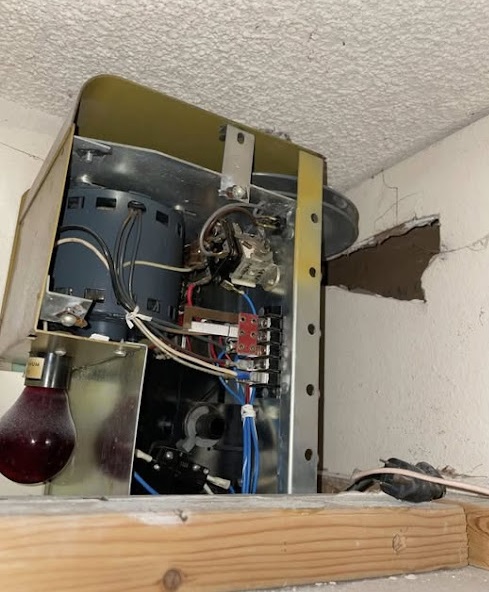
Discovering something unusual in your ceiling—whether it’s a mysterious stain, an odd hole, strange noises, or even an unexpected object—can be unsettling. While some finds are harmless quirks of old homes, others may signal underlying issues that need attention. Here’s a practical guide to help you assess what you’ve found and decide your next steps.
Common “Strange” Ceiling Finds & What They Mean
1. Brown or Yellow Water Stains
Likely cause: Roof leak, plumbing leak (from upstairs bathroom or pipes), or condensation.
Action:
Check attic for wet insulation or dripping.
Inspect pipes above (if accessible).
Don’t ignore it—moisture can lead to mold or structural damage.
2. Small Holes or Sawdust Piles
Likely cause: Carpenter ants or powderpost beetles (wood-boring insects).
Action:
Look for live insects or frass (fine sawdust).
Call a pest control professional—these pests damage wood framing.
3. Scratching, Scampering, or Chewing Noises
Likely cause: Rodents (mice, rats) or squirrels nesting in attic/ceiling voids.
Action:
Look for droppings, gnawed wires, or greasy rub marks near entry points.
Seal exterior holes; set traps or call wildlife removal.
4. Bubbling or Peeling Paint
Likely cause: Moisture buildup (from humidity, leaks, or poor ventilation).
Action:
Use a dehumidifier.
Improve bathroom/kitchen exhaust fan use.
Repair any active leaks first.
5. White, Cottony, or Black Fuzzy Patches
Likely cause: Mold growth due to chronic moisture.
Action:
Do not disturb—inhalation risk.
Identify and fix moisture source.
For areas >10 sq ft, hire a mold remediation pro.
6. Old Letters, Photos, or Objects Hidden in Ceiling
Likely cause: Previous owners stashed items during renovations—or construction debris left behind.
Action:
Handle gently (may be historical!).
Check for valuables or personal info.
Document before discarding.
7. Unexplained Vents, Pipes, or Wires
Likely cause: Abandoned HVAC ducts, old plumbing stacks, or electrical conduits from past remodels.
Action:
If inactive, they can usually be capped or removed.
Consult an electrician or plumber if unsure.
When to Call a Professional Immediately
- Foul odors + stains → Could indicate sewage leak (health hazard).
- Buzzing sounds → Possible electrical arcing in walls (fire risk).
- Sagging ceiling → Structural failure or major water saturation.
- Visible mold + respiratory symptoms → Health concern, especially for children or elderly.
The Bottom Line
Most ceiling oddities have logical explanations—but early action prevents small issues from becoming big (and costly) problems. Take photos, note changes over time, and don’t hesitate to consult experts when safety or health is involved.
“Your home speaks in signs. Listen kindly, respond wisely.”
Whether it’s a century-old love letter tucked in the rafters or a warning sign of moisture, treat your discovery with curiosity and care.