
Let’s be honest: if you’ve ever murdered a succulent, drowned a fern, or watched a peace lily dramatically wilt under your care—you probably think you’re “not a plant person.”
But what if I told you there’s a houseplant so resilient, so forgiving, and so low-maintenance that it practically thrives on benign neglect?
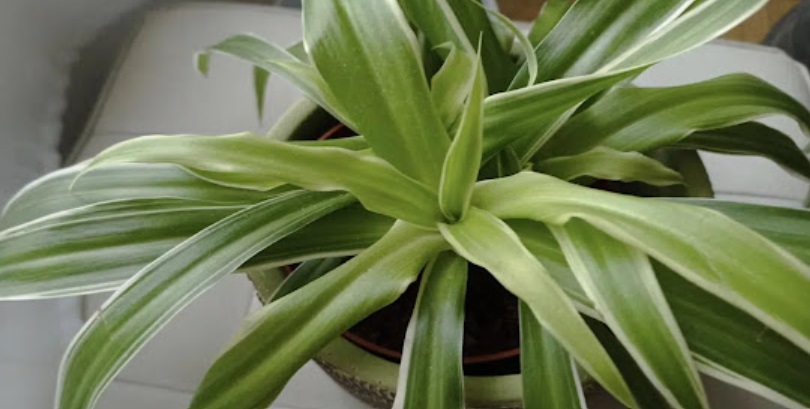
Meet the spider plant (Chlorophytum comosum)—the ultimate beginner’s plant, air-purifying powerhouse, and pet-safe green companion that’s been quietly brightening homes for generations.
And no, it doesn’t require a green thumb. Just a windowsill (or even a dim corner) and the occasional splash of water.
5 Reasons This Humble Plant Deserves a Spot in Your Home
1. It Forgives Your Forgetfulness (Again and Again)
Forget to water it for a week? Two weeks? No problem.
Spider plants store moisture in their tuberous roots, making them drought-tolerant in a way most houseplants aren’t.
They prefer bright, indirect light—but survive just fine in lower light.
Yellow tips? Usually just from tap water chemicals—not your fault!
Overwatered? Underwatered? It bounces back like nothing happened.
Real talk: If you’ve killed every plant you’ve owned… start here. This is your redemption arc.
2. It Cleans Your Air—Backed by NASA
Yes, that NASA. In its famous 1989 Clean Air Study, NASA found spider plants among the top performers at removing indoor air pollutants, including:
Formaldehyde (from furniture, cleaning products)
Carbon monoxide
Xylene and toluene (from paints, adhesives)
They do this through natural respiration—no filters, no electricity, no noise. Just quiet, leafy detox while you sleep.
Place one in your bedroom, home office, or near new furniture for fresher air.
3. 100% Safe for Pets (Yes, Even That Curious Cat)
Unlike lilies, pothos, or philodendrons, spider plants are non-toxic to cats and dogs (ASPCA-approved!).
So if your furry friend likes to nibble leaves, you won’t need an emergency vet visit.
(Though fair warning: they might get a mild tummy ache from overindulging—but no serious harm.)
Bonus: The dangling “spiderettes” (baby plants) look like toys—great distraction for playful pets!
4. It’s Naturally Beautiful—No Styling Needed
With its arching, variegated leaves—striped in green and white—the spider plant adds instant life to any space.
Looks stunning in hanging baskets (let those babies trail!)
Thrives on shelves, desks, or bathroom counters
Grows quickly, filling out in just weeks
And when it sends out long stems with tiny plantlets (“spiderettes”), it becomes a living sculpture—like a chandelier made of greenery.
5. It Gives Back—For Free!
Spider plants reproduce like magic. Those little “babies” dangling from stems?
You can snip them off and grow new plants—for free.
Root them in water (change weekly)
Or plant directly in soil
Gift them to friends, coworkers, or your skeptical neighbor
One plant can become dozens in a year—making it the ultimate sharing plant.
How to Care for Your Spider Plant (It’s Ridiculously Easy)
Light: Bright, indirect sun (east or north window ideal). Tolerates low light.
Water: Let soil dry slightly between waterings. Water less in winter.
Soil: Well-draining potting mix (add perlite if needed).
Temperature: Happy at 60–75°F—typical home temps are perfect.
Fertilizer: Optional! Feed once a month in spring/summer with diluted houseplant food.
Tip: Use filtered or distilled water if your tap is hard—brown leaf tips often come from fluoride/chlorine.
Final Thoughts: The Perfect Plant for Imperfect People
You don’t need to be a gardener. You don’t need a sunny greenhouse. You just need a little space—and a willingness to try.
Because the spider plant isn’t just decor. It’s quiet companionship, cleaner air, and a daily reminder that growth is possible—even when you forget to water it.
So go ahead. Grab one from the grocery store, farmers market, or a friend’s overflowing pot. Stick it on your bookshelf. And watch it thrive… even when you’re not paying attention.
Already a spider plant parent? Share your favorite spot for yours—or how many babies you’ve gifted—in the comments below