
Introduction
Noticing that your shoes feel tighter than usual or seeing mild swelling around your ankles at the end of the day can be surprising. For many people, occasional leg swelling is a common experience that may happen after standing for long periods, sitting during travel, or spending time in hot weather.
Although mild swelling is often temporary, it should never be ignored if it becomes frequent, severe, or is accompanied by other concerning symptoms. Understanding some of the everyday factors that may contribute to swollen legs can help you make informed decisions about your health while knowing when it’s appropriate to seek medical advice.
What Is Leg Swelling?
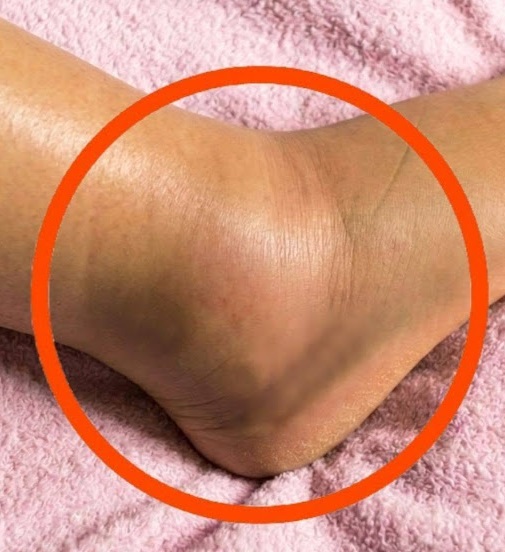
Leg swelling, often called edema, occurs when extra fluid collects in the tissues of the feet, ankles, or lower legs. Gravity naturally causes fluid to settle in the lower part of the body, especially after long periods of standing or sitting.
In many cases, the swelling improves after resting, moving around, or elevating the legs.
Common Everyday Factors That May Contribute
1. Standing or Sitting for Long Periods
Remaining in one position for several hours can slow the normal movement of fluids through the legs.
Examples include:
Long car trips
Air travel
Office work
Standing all day at work
Taking short walking breaks and stretching your legs regularly may help improve comfort.
2. Hot Weather
Warm temperatures may cause blood vessels to expand slightly, making it easier for fluid to collect around the ankles and feet.
Staying hydrated and avoiding prolonged standing during very hot weather may help.
3. High Sodium Intake
Eating foods that contain large amounts of sodium may encourage the body to retain extra fluid.
Limiting heavily processed foods and choosing fresh ingredients more often may support overall fluid balance.
4. Reduced Physical Activity
Regular movement helps support healthy circulation.
Simple activities such as walking, gentle stretching, or ankle circles throughout the day may help keep the legs feeling more comfortable.
5. Lifestyle Changes
Travel, changes in daily routine, long workdays, and even spending many hours relaxing on the couch can sometimes contribute to temporary swelling.
Simple Habits That May Help
Many people find these everyday habits helpful:
Elevate your legs while resting.
Stay physically active throughout the day.
Drink enough water.
Wear comfortable footwear.
Take movement breaks every hour if sitting for long periods.
Maintain a balanced diet with plenty of fruits and vegetables.
These habits support overall circulation and healthy daily routines.
When Should You Seek Medical Advice?
Occasional mild swelling often improves with rest.
However, it’s important to contact a healthcare professional if you notice:
Swelling that lasts several days without improving.
Swelling that keeps returning frequently.
Swelling accompanied by significant pain.
Redness, warmth, or changes in skin color.
Swelling together with chest discomfort or difficulty breathing.
Swelling that concerns you or interferes with daily activities.
Only a qualified healthcare professional can determine the exact cause and recommend the most appropriate treatment if needed.
Can Leg Swelling Be Prevented?
While not every case can be prevented, healthy daily habits may reduce the likelihood of occasional swelling.
Helpful habits include:
Staying active.
Maintaining a healthy body weight.
Limiting excessive sodium intake.
Drinking enough fluids.
Avoiding sitting or standing in one position for extended periods.
Frequently Asked Questions
Is occasional leg swelling normal?
Many people experience mild swelling after standing, sitting, or traveling for long periods. If it improves with rest, it is often temporary.
Does drinking water help?
Staying hydrated supports normal body functions and may help maintain healthy fluid balance.
Can exercise help?
Regular physical activity supports healthy circulation and overall wellness.
Should I worry if only one leg swells?
Persistent swelling affecting one leg, especially if accompanied by pain or redness, should be evaluated promptly by a healthcare professional.
Final Thoughts
Occasional leg swelling is a common experience that can happen for many everyday reasons, including long periods of standing, sitting, warm weather, or lifestyle habits.
Simple measures such as moving regularly, elevating your legs, staying hydrated, and following a balanced lifestyle may help improve everyday comfort. However, persistent or severe swelling should always be evaluated by a qualified healthcare professional to identify the underlying cause.
Listening to your body and seeking medical advice when something doesn’t seem right is one of the best ways to support your long-term health.