
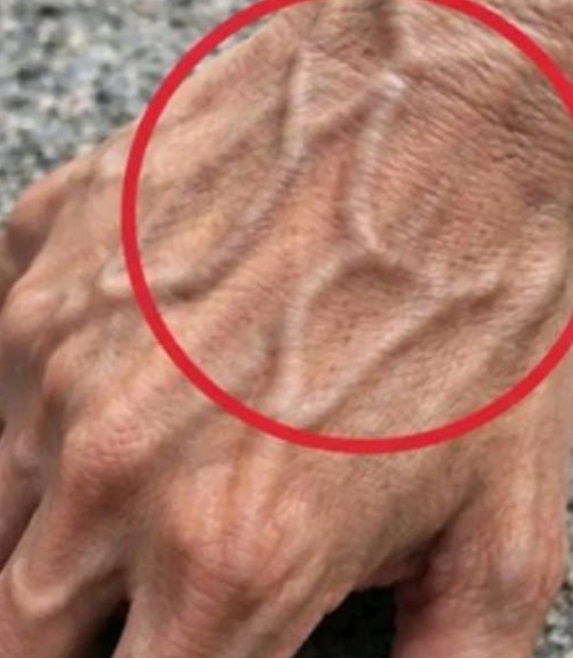
Not necessarily. Visible veins are usually a normal variation—not a sign of poor circulation. In fact, in many cases, they indicate good blood flow or other benign factors. However, in specific contexts, prominent veins can signal an underlying vascular issue.
Let’s break down what’s typical—and when it might warrant attention.
Common, Harmless Reasons for Visible Veins
1. Low Body Fat
Less subcutaneous fat = less tissue covering veins, especially on arms, hands, and legs.
Common in athletes, lean individuals, or with age-related fat loss.
2. Fair or Thin Skin
Lighter or thinner skin (common with aging) makes veins more noticeable.
3. Heat or Warm Weather
Heat causes blood vessels to dilate (vasodilation), making veins more prominent.
4. Exercise or Muscle Use
During or after activity, increased blood flow swells veins temporarily—especially in arms and calves.
5.Genetics
Some people simply inherit more visible venous patterns—it runs in families.
When Visible Veins Might Signal a Circulation Issue
While most visible veins are harmless, certain changes can indicate venous insufficiency or other conditions:
1. Varicose Veins
What: Twisted, bulging, rope-like veins (usually on legs).
Why: Faulty valves allow blood to pool, increasing pressure.
Signs of concern: Aching, heaviness, swelling, itching, or skin discoloration.
Not poor arterial circulation—but a sign of venous dysfunction.
2. Sudden Prominence + Swelling
One arm or leg with suddenly bulging veins + swelling could indicate deep vein thrombosis (DVT)—a medical emergency.
3. Veins That Are Painful, Warm, or Red
Could signal phlebitis (vein inflammation) or infection.
4. Visible Veins on the Chest or Abdomen
In rare cases, may suggest portal hypertension (liver-related) or superior vena cava syndrome—especially if new and widespread.
Key Insight: Arterial vs. Venous Circulation
Poor arterial circulation (e.g., from atherosclerosis) usually causes:
Cold limbs
Pale or bluish skin
Weak pulses
Pain when walking (claudication)
→ Veins often appear less visible, not more.
Venous issues (like varicose veins) involve blood pooling in veins—making them more visible, but not necessarily indicating systemic “poor circulation.”
When to See a Doctor
Consult a healthcare provider if visible veins are accompanied by:
- Pain, throbbing, or cramping
- Swelling in one limb
- Skin changes (darkening, ulcers, dryness)
- Veins that feel hard, warm, or tender
- Sudden appearance without clear cause
Gentle Care Tips
Stay active: Walking improves venous return.
Avoid prolonged standing/sitting: Shift weight or flex ankles regularly.
Elevate legs: Helps reduce pooling.
Compression stockings: Can support vein health if recommended.
Final Thought
Visible veins are often just part of your body’s unique map—not a warning sign.
“Your veins aren’t showing weakness—they’re tracing the paths of life, movement, and resilience.”
But if they change suddenly or cause discomfort, listen to your body. When in doubt, a quick check with your doctor brings peace of mind.