
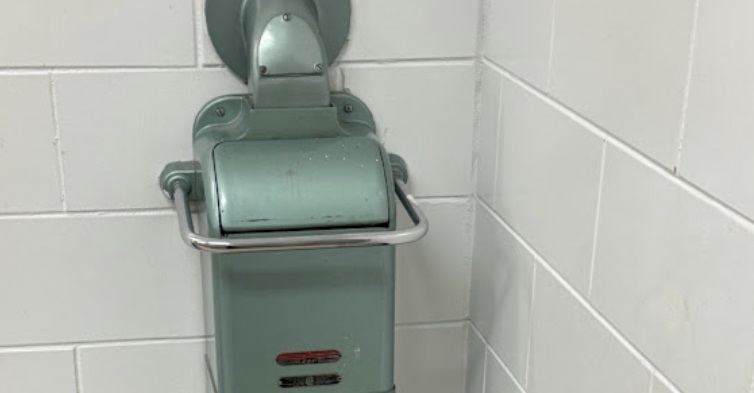
Have you ever noticed a heavy iron door built into the wall of an old school, apartment building, or basement and wondered what it was for? At first glance, it can look like an old furnace or even something mysterious. In reality, it was once an essential part of everyday life.
Before modern garbage collection became common, many buildings relied on small trash incinerators to dispose of waste quickly and conveniently. These forgotten fixtures tell the story of how people managed household waste long before curbside pickup and modern recycling programs.
What Was a Trash Incinerator?
A trash incinerator was a built-in metal chamber designed to burn everyday waste. Most were made from heavy cast iron or steel and connected to a chimney that carried smoke outside.
They were commonly installed in:
- Schools
- Apartment buildings
- Hospitals
- Hotels
- Large homes
At the time, they were considered a practical solution for handling daily garbage.
Why Were They So Popular?
In the late 1800s and early 1900s, growing cities produced more waste than ever before. Regular garbage collection was limited in many areas, so burning trash seemed like an efficient solution.
People liked incinerators because they:
- Reduced the volume of waste.
- Helped control odors and pests.
- Reduced the need to store garbage for long periods.
- Saved time compared with hauling trash away.
For decades, they became a standard feature in many public and residential buildings.
The Problems People Didn’t Fully Understand
Although incinerators solved one problem, they created others.
Burning household waste produced smoke, ash, and unpleasant odors. As synthetic materials became more common, burning mixed garbage also released harmful pollutants into the air.
Cleaning the incinerator required removing hot ashes regularly, and nearby walls often became stained with soot after years of use.
As scientists learned more about air pollution and public health, opinions about these systems began to change.
Why They Disappeared
During the mid-20th century, cities invested in organized waste collection, sanitary landfills, and cleaner disposal methods.
Stricter environmental regulations also reduced the use of small on-site incinerators because of concerns about air quality.
Today, many of these old units have been sealed, removed, or simply left in place as historical reminders.
Other Forgotten Features in Older Buildings
Old buildings often contain architectural details that once served an important purpose, including:
- Coal chutes used to deliver coal into basements.
- Milk doors where dairy deliveries were left safely outside the main entrance.
- Laundry chutes that carried clothes directly to the laundry room.
- Telephone niches built specifically for wall-mounted telephones.
These features offer a fascinating glimpse into everyday life before modern technology changed how homes were designed.
Frequently Asked Questions
Are old trash incinerators still safe to use?
In most places, no. Older incinerators usually do not meet modern fire safety or air-quality regulations and should not be used unless professionally restored and approved.
Why were many located in basements?
Basements provided enough space for the fire chamber, ash collection, and chimney system while keeping heat and smoke away from occupied rooms.
Do buildings still use incinerators today?
Some large industrial and municipal facilities use advanced waste-to-energy systems with sophisticated pollution controls. However, the small building incinerators once common in schools and apartments have largely disappeared.
Final Thoughts
Old trash incinerators may look intimidating today, but they were once viewed as an innovative solution to a growing problem. They remind us how much waste management has evolved over the last century.
The next time you spot one of these heavy iron doors in an older building, you’ll know you’re looking at more than an abandoned metal box. You’re looking at a small piece of history that reflects how previous generations solved everyday challenges with the tools and knowledge they had at the time.
Have you ever discovered an unusual feature in an old building? Share your experience and the history behind it in the comments.