
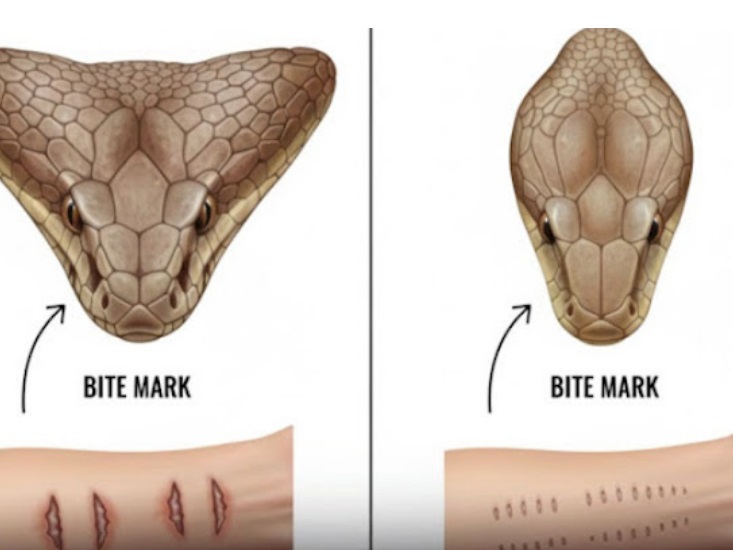
A snake encounter can be frightening, especially when you’re gardening, hiking, or spending time outdoors. The most important thing after a suspected venomous snake bite is to stay calm and get professional medical help immediately.
What to Do After a Snake Bite
1. Call for Emergency Help
Contact 911 or your local emergency service right away. Don’t wait for symptoms to appear, because some venom effects can be delayed.
If you’re in a remote area, avoid unnecessary walking or exertion and focus on getting help safely.
2. Keep Still
Sit or lie down and keep the bitten limb as still as possible. Avoid unnecessary movement, which can contribute to venom circulation.
3. Remove Tight Items
Take off rings, watches, bracelets, or tight clothing near the bite before significant swelling develops.
4. Clean the Bite Gently
If possible, gently rinse the area with clean water. Don’t scrub the wound or apply alcohol, herbs, chemicals, or other home remedies.
5. Remember What the Snake Looks Like
If you can do so from a safe distance, note its color, pattern, size, or other identifying features. Never try to catch, kill, or handle the snake.
What NOT to Do
Avoid these common but potentially harmful remedies:
- Don’t cut the wound.
- Don’t suck out the venom.
- Don’t apply a tourniquet.
- Don’t use ice or extreme cold.
- Don’t drink alcohol.
- Don’t try to walk long distances after the bite.
- Don’t attempt to catch or handle the snake.
These actions can cause additional injury or delay appropriate medical treatment.
How to Prevent Snake Bites
A few simple habits can reduce your risk:
- Wear sturdy boots and long pants in snake-prone areas.
- Use a flashlight when walking outdoors after dark.
- Don’t reach blindly into woodpiles, rock crevices, or tall grass.
- Watch where you step and give snakes plenty of space.
- Never attempt to handle a wild snake.
Frequently Asked Questions
What is a dry bite?
A dry bite occurs when a venomous snake bites without injecting venom. Even so, the bite should be medically evaluated because symptoms can develop later and the wound can become infected.
Will I need antivenom?
Not every snake bite requires antivenom. Medical professionals will assess the snake species, symptoms, swelling, and other factors to determine whether antivenom is appropriate.
The Bottom Line
The best response to a suspected venomous snake bite is simple:
Stay calm, minimize movement, remove tight items, avoid harmful home remedies, and seek emergency medical care immediately.
Don’t try to treat the venom yourself. Professional medical evaluation is the priority.