
Food Expiration Dates Explained: 20 Things Every Home Cook Should Know
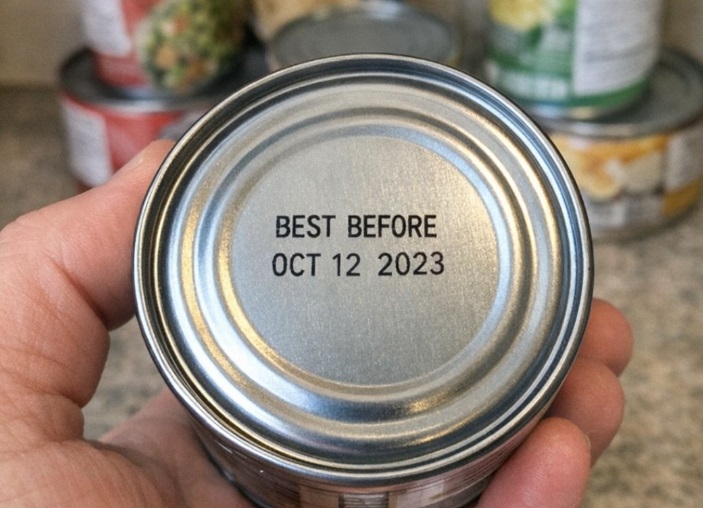
Have you ever stood in front of your pantry, holding a can or a package of food that passed its printed date, wondering whether it still belongs in your kitchen? It is a common question, and understanding food date labels can help households make more informed decisions and reduce unnecessary waste.
The important thing to remember is that a printed date does not mean the same thing for every product. Some labels refer to freshness and quality, while other products require special care. Storage temperature, packaging, handling, and the type of food all play a role in determining how long something can be kept safely.
Here are 20 practical things to know about food expiration dates, pantry storage, refrigeration, and the products that deserve extra caution.
1. Best By Dates Usually Refer to Quality
A “Best By” or “Best if Used By” date generally indicates when a manufacturer expects a food to have its best flavor or quality. In the United States, federal law does not require date labels on most packaged foods, although some state requirements apply.
For example, crackers may lose their crispness, and cereal may become less flavorful after its recommended date. That does not automatically mean the food is unsafe. However, the condition of the packaging and the way the product has been stored still matter.
2. Understand What Use By Means
“Use By” can have different meanings depending on the product and the country. In the United States, it often indicates the manufacturer’s recommended date for peak quality rather than a universal safety deadline.
Infant formula is an important exception. Never use it after its printed Use By date. For refrigerated meat, dairy products, and other perishable foods, follow the package instructions and established food-storage guidance rather than assuming the date alone determines safety.
3. Sell By Dates Are Primarily for Retailers
A “Sell By” date helps stores manage inventory and rotate products. It is not automatically the last day a consumer can use a food.
Nevertheless, a Sell By date does not guarantee that a product will remain safe for a certain number of days after purchase. Perishable foods need prompt refrigeration and appropriate storage. For fresh meat and poultry, follow recommended refrigerator storage times and freeze the product if you will not use it in time.
4. Canned Corn Can Keep Its Quality for Years
Commercially canned corn can retain good quality beyond its printed date when stored properly in a cool, dry place. USDA guidance generally places the best-quality storage period for low-acid canned foods, including most vegetables, at about two to five years.
Before using a can, inspect it carefully. Discard cans that are swollen, leaking, badly rusted, or deeply dented around a seam. Never taste food from a suspicious can to determine whether it is safe.
5. Canned Green Beans Need the Same Care
Canned green beans follow similar storage principles to canned corn. Their printed date is generally a quality guide, but the condition of the container and the storage history are important.
Avoid cans with bulging ends, leaks, significant seam damage, or other signs of compromised packaging. If food spurts from a can or looks suspicious when opened, do not taste it. Dispose of it safely.
6. Canned Tuna Has a Long Shelf Life
Unopened commercial canned tuna can maintain good quality for several years when stored correctly. For low-acid canned foods such as fish, the usual best-quality period is approximately two to five years.
Keep cans away from moisture, excessive heat, and physical damage. Once opened, transfer unused tuna to a covered container, refrigerate it promptly, and use it within three to four days.
7. Egg Freshness Tests Do Not Guarantee Safety
Eggs can remain suitable for several weeks when refrigerated properly. USDA guidance recommends keeping shell eggs refrigerated and using them within three to five weeks for home refrigerator storage.
The water float test can indicate that an egg has aged because its air cell grows over time. However, a floating egg is not a reliable safety test, and an egg that sinks is not guaranteed to be free of harmful bacteria.
Keep eggs refrigerated, avoid cracked or dirty eggs, and cook them thoroughly. Do not rely on the carton date or appearance alone to determine whether an egg is safe.
8. Milk Needs Consistent Refrigeration
Milk can spoil before or after its printed date depending on how it has been handled. There is no single number of days after the date that guarantees safety for every carton.
Keep milk at 40°F (4°C) or below, return it to the refrigerator promptly, and follow the label’s instructions. An unpleasant smell, unusual texture, or visible curdling indicates spoilage, but milk can contain harmful bacteria without obvious changes.
When storage conditions are uncertain, it is safer to discard it than to taste it to check.
9. Yogurt Should Be Stored According to Its Label
Yogurt’s acidity and fermentation help preserve its characteristics, but they do not make it immune to spoilage or contamination.
Keep yogurt refrigerated and follow its package instructions. A small amount of clear liquid on top may be whey, which is normal. Mold, unusual discoloration, or an abnormal smell are reasons to discard the product.
Do not assume unopened yogurt is safe for a specific number of weeks beyond its date. The product, packaging, and storage history all matter.
11. Bread Is Best Frozen Before It Goes Stale
Bread often becomes dry or stale before it becomes visibly spoiled. Freezing is a practical way to preserve a loaf when you cannot finish it quickly.
Wrap bread securely, freeze it, and remove individual slices as needed. For best quality, many types of bread keep well in the freezer for approximately two to three months.
If you see mold on bread, discard the entire loaf rather than cutting off the affected area. Mold can spread below the visible surface.
12. Hard Cheese and Soft Cheese Are Different
Firm cheeses such as cheddar and Parmesan can sometimes be salvaged when a small patch of mold appears. USDA guidance recommends cutting away at least one inch around and below the affected area, keeping the knife out of the mold itself.
Soft cheeses, including cream cheese, ricotta, cottage cheese, and fresh mozzarella, should be discarded if mold develops. Their higher moisture content allows contamination to spread more easily.
When in doubt, follow food-safety guidance for the specific cheese rather than relying on its printed date alone.
13. Honey and Sugar Can Last a Long Time When Stored Properly
Honey and plain sugar are long-lasting pantry staples when kept sealed and protected from moisture. Honey may crystallize over time, but crystallization alone does not mean it has spoiled.
To soften crystallized honey, place the closed heat-safe container in warm water and allow the crystals to dissolve gradually. Avoid overheating it.
Brown sugar may also harden as it loses moisture. Store it in an airtight container and use a food-safe method to soften it. Discard products that show signs of contamination or unusual fermentation.
14. Spices Usually Lose Flavor Before They Become Unusable
Dried herbs and spices gradually lose aroma and flavor during storage. Ground spices generally lose their freshness faster than whole spices.
Keep them tightly sealed in a cool, dry cupboard away from direct sunlight, steam, and heat from the stove. If a spice has little aroma when rubbed between your fingers, it may no longer contribute much flavor to a dish.
However, spices that have become damp or show mold should be discarded.
15. Frozen Meat Can Remain Safe While Its Quality Declines
Food kept continuously frozen at 0°F (-18°C) can remain safe indefinitely from a time-and-temperature standpoint, although its texture and flavor may deteriorate.
For best quality, USDA guidance recommends approximately four to twelve months for whole beef, pork, and lamb cuts; three to four months for ground meat; about nine months for poultry pieces; and up to one year for whole poultry.
Freezer burn can cause dry, discolored patches. It mainly affects quality, but it is different from meat that was mishandled or allowed to thaw unsafely. Package meat tightly, label it with the freezing date, and thaw it safely in the refrigerator.
16. Infant Formula Must Never Be Used Past Its Use By Date
Infant formula is an important exception to the general rules about food date labels. Its Use By date is required in the United States because the manufacturer guarantees its nutritional content and quality only through that date.
Never use formula after the printed date. Once powdered formula is opened, it typically needs to be used within one month, unless the package provides different instructions.
Follow the manufacturer’s preparation and storage directions carefully. Prepared formula has additional time limits, and any formula left in a baby’s bottle after feeding should be discarded.
17. Do Not Assume Expired Medicines Are Safe
Medicine expiration dates matter because a product may lose strength or change over time. The fact that a tablet looks normal does not guarantee that it remains safe and effective.
The FDA advises consumers not to use medicines after their expiration dates unless an appropriate authorized extension applies to that specific product. This is especially important for medicines needed to treat serious conditions.
Store medicines according to their labels and ask a pharmacist how to dispose of expired products safely.
18. The Date You Open a Product Matters
Opening a package can introduce air, moisture, and microorganisms. For that reason, many foods have shorter recommended storage periods after opening than they do while sealed.
Write the opening date on containers of broth, salsa, deli meat, sauces, and other refrigerated foods. As a general reference, opened deli meat is usually kept for three to five days, and many cooked leftovers should be used within three to four days when refrigerated at 40°F or below.
Always follow the product’s specific instructions. Refrigerate perishable food promptly and discard food that has been stored too long.
19. Coded Numbers on Cans Are Not Always Expiration Dates
Some cans and cartons display strings of letters and numbers instead of a clear calendar date. These may identify a manufacturing plant, production batch, or packing date.
A code should not automatically be interpreted as an expiration date. Manufacturers use different systems, and there is no single universal code that allows consumers to decode every package.
If you need to identify a particular code, contact the manufacturer and provide the complete code printed on the container.
20. Organize Your Pantry to Reduce Food Waste
A well-organized pantry makes it easier to use older products before opening newer ones. Keep canned foods, dry ingredients, snacks, and baking supplies grouped together, and place older packages toward the front.
Store shelf-stable food in a cool, dry location away from direct sunlight, ovens, and other heat sources. Check your shelves regularly for damaged packaging, pests, moisture, and recalled products.
For refrigerated food, keep the temperature at 40°F or below. Freeze items you cannot use in time, label containers with dates, and follow recommended storage periods.
These simple habits make it easier to plan meals, reduce waste, and handle food more confidently.
Final Thoughts
Food date labels are useful, but they are only one part of making informed decisions about food storage. Understanding the difference between quality dates and safety guidance can help you reduce unnecessary waste without taking unnecessary risks.
Keep your pantry dry, your refrigerator cold, and your food properly covered. Pay attention to storage instructions, use recommended time limits for perishable foods, and never rely on smell or appearance alone to establish safety.
When you are uncertain about a high-risk product, especially infant formula or a damaged can, choosing not to use it is the safer decision.
Editorial note: This article focuses on general U.S. food-storage guidance. Always follow the product label and relevant local food-safety recommendations.