
10 Common Types of Bug Bites and Stings: How to Recognize Them
A sudden red bump on your skin can be itchy, uncomfortable, and sometimes worrying. Depending on the cause, it may be a minor insect bite, a painful sting, or a skin reaction that needs medical attention. Knowing the common symptoms can help you decide what to do next.
However, identifying a bite by appearance alone is not always possible. Mosquitoes, fleas, bed bugs, and other pests can leave similar marks, and skin reactions vary from person to person. The location of the bumps, how they feel, when they appeared, and whether you noticed an insect can offer useful clues.
This guide covers 10 common types of bug bites and stings, their typical signs, basic care, and symptoms that should not be ignored.
1. Mosquito Bites
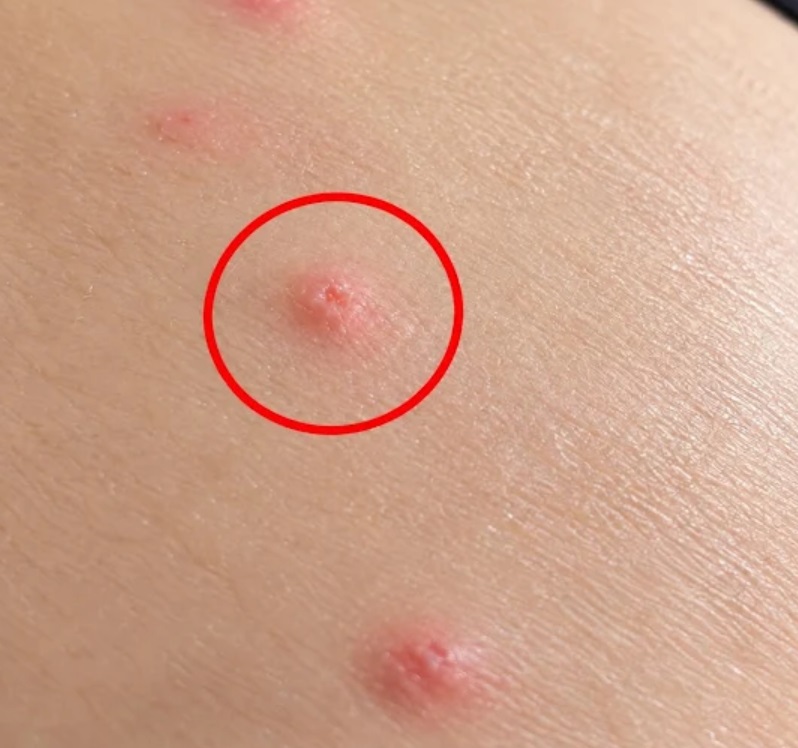
Mosquito bites commonly cause small, raised, itchy bumps. They may appear soon after a bite or become more noticeable later. Some people develop only mild irritation, while others experience more pronounced swelling.
Common signs include:
- Small, raised bumps that may look red, pink, brown, or similar to the surrounding skin
- Itching around the affected area
- One bump or several scattered marks
- Swelling that varies depending on the person’s reaction
Mosquito bites do not have one distinctive appearance. Scratching can irritate the skin and increase the risk of infection.
What to do: Wash the area gently and apply a cool compress. Seek medical advice if you develop fever, unusual body aches, or a spreading rash, particularly after travel or possible exposure to mosquito-borne illnesses.
2. Flea Bites
Fleas are small parasites that may live on pets and in the home environment. Their bites often appear in small groups, although the pattern can vary.
Common signs include:
- Small, itchy bumps
- Several marks close together
- Bites around the ankles, feet, or lower legs
- A tiny central spot on some bumps
Flea bites can be intensely itchy, but their appearance may overlap with other insect bites. Finding fleas on a pet or evidence of an infestation can provide additional clues.
What to do: Wash the affected skin and avoid scratching. If you have pets, check them for fleas and consult a veterinarian about suitable treatment. Clean pet bedding and address possible fleas in carpets and furniture.
3. Lice Bites
Lice are tiny parasites that live on the scalp or, in some cases, on the body or in clothing. Their bites can cause itching and irritation, but itching alone does not confirm that someone has lice.
Common signs include:
- Itchy skin on the scalp or around the hairline
- Irritation behind the ears and at the back of the neck
- Scratch marks caused by repeated itching
- Small sores if scratching damages the skin
Head lice are best identified by finding live lice or their eggs, called nits, attached firmly to hair shafts. Body lice are associated with clothing and bedding and may cause irritation in areas where clothing seams touch the skin.
What to do: Check the scalp carefully if head lice are suspected and use an appropriate treatment according to its instructions. Avoid sharing combs, brushes, hats, and other personal items that touch the hair.
4. Bed Bug Bites
Bed bugs hide in places such as mattress seams, bed frames, and cracks in furniture. Some people notice itchy marks after sleeping, although skin reactions can take time to appear.
Common signs include:
- Itchy bumps or larger raised welts
- Several marks in a cluster or line
- Marks on exposed areas, such as the arms, shoulders, neck, or face
- New marks noticed after sleeping in a potentially affected space
Bed bug bites are sometimes described as appearing in a line or zigzag pattern, but this is not a reliable way to identify them. Other insects and skin conditions can produce similar marks.
What to do: Inspect mattress seams, bed frames, and nearby furniture for evidence of bed bugs. If you find signs of an infestation, a qualified pest-control professional can help determine the appropriate treatment.
5. Tick Bites
Ticks attach to the skin and feed on blood. A tick may remain unnoticed because its bite is not always painful. Sometimes, the tick itself is still attached when the area is discovered.
Common signs include:
- A small bump or localized redness
- A tick attached to the skin
- Mild irritation around the attachment site
- A rash that develops later in some cases
Not every tick bite causes a rash, and not every tick-related rash has the same appearance. Certain tick-borne illnesses can cause an expanding rash or flu-like symptoms, so it is important to monitor how you feel after a possible exposure.
What to do: Remove an attached tick promptly using clean, fine-tipped tweezers. Grasp it as close to the skin as possible and pull upward with steady, even pressure. Avoid twisting, crushing the tick, or using heat, petroleum jelly, or other substances to make it detach.
Clean the area after removal. Contact a healthcare professional if you develop a rash, fever, headache, muscle aches, or other unusual symptoms in the following days or weeks. The risk depends partly on the tick species and where the exposure occurred.
6. Wasp Stings
Wasps can sting when they feel threatened or disturbed. Their stings commonly cause immediate pain followed by redness, itching, and swelling.
Common signs include:
- Sudden pain or a burning sensation
- Redness and swelling around the sting
- Itching as the reaction develops
- A small mark at the sting site
Most local reactions improve over time, although swelling can become more noticeable during the first day or two. Some people experience a more serious allergic reaction.
What to do: Wash the area and apply a cold compress wrapped in a cloth. Seek urgent medical advice if symptoms worsen significantly, the sting is in the mouth or throat, or you have been stung multiple times.
Call your local emergency number immediately if you develop difficulty breathing, throat tightness, swelling of the tongue or lips, or faintness.
7. Hornet Stings
Hornets belong to the wasp family, so their stings can cause similar symptoms. The severity of the reaction depends on the person, the number of stings, and other circumstances.
Common signs include:
- Immediate pain or burning
- Redness and localized swelling
- Tenderness around the sting
- Itching as the reaction develops
A larger local reaction may extend beyond the immediate sting site. However, swelling alone does not establish whether a person is experiencing a severe allergy.
What to do: Clean the area and apply a cold compress. Multiple stings or rapidly worsening symptoms warrant prompt medical assessment. Treat breathing difficulties, throat swelling, collapse, or other signs of a severe allergic reaction as an emergency.
8. Bee Stings
Bee stings usually cause sudden pain, followed by redness and swelling. Honey bees may leave a barbed stinger behind, although not every bee sting leaves a visible stinger.
Common signs include:
- Sharp, immediate pain
- Redness and swelling
- Tenderness around the sting
- A visible stinger in some cases
A local reaction may cause discomfort for several hours or longer. Some people experience swelling that extends beyond the immediate area.
What to do: If a stinger is visible, remove it promptly. You can scrape it away with a fingernail or the edge of a card, or use tweezers if necessary. Do not delay removal while trying to choose a particular method. Wash the area and apply a cold compress.
Watch for symptoms beyond the sting site, especially breathing difficulties, widespread hives with other symptoms, dizziness, or swelling of the mouth or throat. These can indicate anaphylaxis, a potentially life-threatening allergic reaction that requires emergency care.
9. Red Ant and Fire Ant Stings
Some ants bite and sting, causing immediate discomfort. Fire ants are known for producing a burning sensation that may be followed by small fluid-filled blisters or white-topped pustules.
Common signs include:
- Immediate pain or burning
- Localized redness and swelling
- Multiple marks if several ants attack
- Small blisters or pustules that develop later
These reactions may be uncomfortable, but the appearance of a bump alone cannot confirm which ant caused it.
What to do: Wash the skin and apply a cool compress. Avoid squeezing or popping any pustules that develop. Seek medical advice if the area becomes increasingly painful, warm, swollen, or begins draining pus.
If a sting causes breathing problems, throat swelling, faintness, or other signs of a severe allergic reaction, seek emergency help immediately.
10. Spider Bites
Many unexplained skin bumps are mistakenly blamed on spiders. In reality, other insect bites, skin irritation, and bacterial infections can look similar. Unless a spider was observed biting, it may be difficult to determine the cause.
Possible signs include:
- A red or swollen bump
- Pain, itching, or tenderness
- A blister in some cases
- Worsening skin damage or symptoms beyond the affected area in certain situations
Two small puncture marks are not a dependable way to identify a spider bite. Different spider species can cause different reactions, and many suspected bites turn out to have another cause.
What to do: Gently clean the area and apply a cool compress. Seek medical care if you develop severe or increasing pain, spreading redness, an open sore, fever, vomiting, muscle cramps, or other concerning symptoms. Do not assume that a worsening skin lesion is a spider bite without medical assessment.
When Is a Bug Bite or Sting an Emergency?
Most uncomplicated bites and stings cause localized itching, pain, or swelling and improve over time. However, some reactions require immediate attention.
Call your local emergency number immediately if you experience:
- Difficulty breathing or wheezing
- Sudden swelling of the tongue or throat
- Trouble swallowing or a feeling that the throat is closing
- Fainting, collapse, or severe dizziness
- Signs of a severe allergic reaction, especially when symptoms affect more than one part of the body
These can be signs of anaphylaxis. If you have been prescribed an epinephrine auto-injector for a severe allergy, use it as directed and seek emergency care.
You should also contact a healthcare professional if redness spreads, pain worsens, pus develops, or you experience fever or a new rash after a possible tick bite. A sting in the mouth or throat, or multiple stings, may also require urgent assessment.
How to Care for a Minor Bug Bite
For a mild reaction without emergency warning signs, a few basic measures may help relieve discomfort.
- Clean the skin. Gently wash the area with soap and water.
- Reduce swelling. Apply a cold compress or a cloth-wrapped ice pack for 10–20 minutes at a time.
- Avoid scratching. Scratching can damage the skin and increase the risk of infection.
- Consider itch relief. An appropriate over-the-counter treatment may help, but follow the label and ask a pharmacist if you are unsure which product is suitable.
- Monitor changes. Watch for increasing pain, spreading redness, fever, or other new symptoms.
Children, pregnant people, and anyone with significant medical conditions or a history of severe allergic reactions may need individualized advice from a healthcare professional.
How to Reduce the Risk of Bug Bites
A few practical precautions can help reduce exposure to biting insects:
- Use an appropriate insect repellent according to its label.
- Wear suitable clothing when spending time in areas with ticks or biting insects.
- Check your skin and clothing for ticks after spending time outdoors in tick-prone areas.
- Keep sleeping areas clean and inspect for signs of bed bugs when traveling.
- Treat flea infestations promptly with advice from a veterinarian or pest-control professional.
- Use window screens and repair gaps that allow insects to enter your home.
The most useful prevention method depends on the insect and your environment.
Frequently Asked Questions
Can you identify a bug bite by its appearance?
Not reliably. Different bites and skin conditions can produce similar bumps, redness, and itching. The location, timing, other symptoms, and evidence of the insect may help, but appearance alone cannot confirm the cause.
Which bug bites are usually itchy?
Mosquito, flea, bed bug, and lice bites commonly cause itching. However, itching can also result from skin irritation, allergies, and other conditions unrelated to insects.
When should I worry about a red bump?
Seek emergency help if a bite or sting is followed by breathing difficulties, throat or tongue swelling, collapse, or other signs of a severe allergic reaction. Contact a healthcare professional if the area becomes increasingly painful, redness spreads, pus develops, or you experience fever or other unusual symptoms.
What should I do if I find a tick attached to my skin?
Remove it promptly with clean tweezers, gripping as close to the skin as possible and pulling steadily upward. Avoid heat or substances intended to make it detach. Monitor for symptoms and seek medical advice if a rash, fever, or other unusual symptoms develop.
Can a spider bite cause a serious problem?
Some spider bites can cause serious symptoms, but many suspected spider bites have another explanation. Seek medical assessment for severe pain, spreading skin damage, fever, muscle cramps, or other concerning symptoms.
Final Thoughts
Recognizing common bug bites and stings can help you respond calmly and take appropriate next steps. Mosquitoes, fleas, bed bugs, ticks, lice, ants, bees, wasps, hornets, and spiders can cause different reactions, but their marks sometimes overlap.
Focus on the symptoms, consider whether you may have been exposed to a particular insect, and monitor how the affected area changes. Most importantly, do not rely on the shape or color of a bump alone to judge its severity.
For mild irritation, basic skin care may be enough. For worsening symptoms or signs of a severe allergic reaction, seek medical help promptly.