
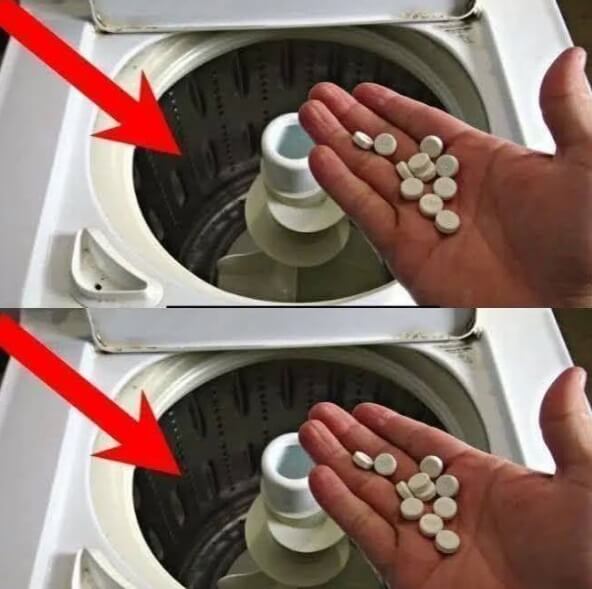
Does Aspirin Really Help Whiten Clothes? The Truth Behind This Old Laundry Trick
Every now and then, an old-fashioned household tip makes its way back into conversations about cleaning and laundry. One unusual trick involves adding aspirin to the wash in hopes of making white clothes look brighter and helping remove stubborn stains.
For years, this idea has been shared among homemakers who enjoy discovering simple ways to care for their clothes. It sounds like an easy solution, especially when dealing with yellowed collars, dull white shirts, or linens that have lost their fresh appearance.
But does aspirin actually work in the laundry room, or is it simply another household cleaning myth? Let’s take a closer look at where this idea comes from and what you can use instead.
Why Do People Put Aspirin in the Washing Machine?
Aspirin is a medication whose active ingredient is acetylsalicylic acid. Some traditional laundry advice suggests that crushed aspirin tablets can help improve the appearance of white fabrics.
The trick is often associated with several laundry problems, including:
- Yellowing around shirt collars and cuffs.
- Sweat and deodorant marks.
- White fabrics that appear dull after repeated washing.
- Older linens that have lost some of their original brightness.
However, there is limited reliable evidence that aspirin provides these laundry benefits. Its chemical properties should not be confused with those of products specifically formulated to remove stains or brighten fabrics.
What Does Science Say About Aspirin in Laundry?
Although aspirin contains a chemical related to salicylic acid, that does not automatically make it an effective laundry cleaner.
Aspirin is not a recognized laundry detergent, fabric whitener, or dedicated stain remover. There is no well-established household laundry method showing that adding aspirin to a washing machine reliably removes yellow stains or restores faded clothing.
It is also important to understand that different stains require different cleaning approaches.
For example, body oils, deodorant residue, food stains, and mineral deposits do not all respond to the same cleaning ingredients.
That is why using a laundry product designed for the particular fabric and type of stain is generally a more dependable choice.
Should You Try the Traditional Aspirin Laundry Method?
You may still find online instructions recommending crushed aspirin tablets dissolved in warm water and used as a soaking solution.
However, this method has not been sufficiently tested to establish its effectiveness or safety for different fabrics.
Rather than experimenting with medication in your washing machine, consider using a product specifically designed for laundry care.
If you have a delicate or valuable garment, check its care label and test any suitable cleaning product on a small, hidden area first.
Better Ways to Brighten White Clothes and Remove Stains
Fortunately, there are several practical laundry methods that are better established and easier to use.
1. Use Oxygen-Based Bleach
Oxygen-based laundry products are commonly used to help brighten washable fabrics and treat certain stains.
Follow the manufacturer’s instructions carefully, including the recommended water temperature and soaking time.
Always check the garment’s care label before using a bleaching product.
2. Treat Sweat and Deodorant Stains Before Washing
Yellow marks around the underarms and collars can be difficult to remove with an ordinary wash alone.
A laundry stain remover formulated for washable clothing can help loosen residue before the garment goes into the washing machine.
Apply it according to the product instructions and avoid scrubbing delicate fabrics aggressively.
3. Choose the Right Laundry Detergent
Using too much detergent does not necessarily make clothes cleaner. Excess detergent can leave residue on fabrics and sometimes contribute to a dull appearance.
Measure detergent according to the package directions and adjust the amount based on the load size and water conditions.
4. Separate White Clothes From Colored Laundry
One of the simplest ways to maintain white clothing is to wash it separately from darker or strongly colored fabrics.
This helps reduce the risk of color transfer and keeps white garments looking fresher over time.
5. Dry Clothes According to Their Care Labels
Proper drying is another important part of fabric care.
Some washable white cotton garments can benefit from outdoor drying in suitable sunlight, but prolonged direct sunlight may cause certain fabrics to fade or become damaged.
Always follow the care instructions for the garment.
Common Laundry Mistakes to Avoid
Even a good detergent may not deliver the desired results if a few basic laundry habits are overlooked.
Here are some mistakes worth avoiding:
- Washing stained clothing without treating the stain first.
- Using excessive detergent.
- Mixing white garments with dark or brightly colored clothing.
- Ignoring fabric care labels.
- Using bleach on fabrics that are not suitable for it.
- Mixing household cleaning chemicals, especially bleach with vinegar or ammonia.
Taking a little extra care before starting a wash can help protect your clothes and prevent unnecessary fabric damage.
Why Do Old-Fashioned Laundry Tricks Remain Popular?
There is something appealing about traditional household advice. Many of us remember watching a mother or grandmother carefully wash linens, remove stains, and make everyday clothes last as long as possible.
Before modern laundry products became widely available, people often relied on simple household ingredients and practical experience to care for their belongings.
Some traditional methods still have a place in today’s homes, while others have not been supported by reliable evidence.
The important thing is to appreciate that resourceful spirit while choosing cleaning methods that are appropriate for modern fabrics and washing machines.
Final Thoughts
The idea of adding aspirin to laundry is an interesting old household tip, but there is not enough reliable evidence to recommend it as a way to whiten clothes or remove stubborn stains.
For better results, stick with laundry products designed for stain removal and fabric care. Oxygen-based bleach, suitable stain removers, and proper washing habits are more dependable options for maintaining clean, fresh-looking clothes.
Sometimes, the best household secrets aren’t complicated tricks at all. A little patience, the right cleaning product, and proper fabric care can go a long way toward keeping favorite clothes looking their best.