
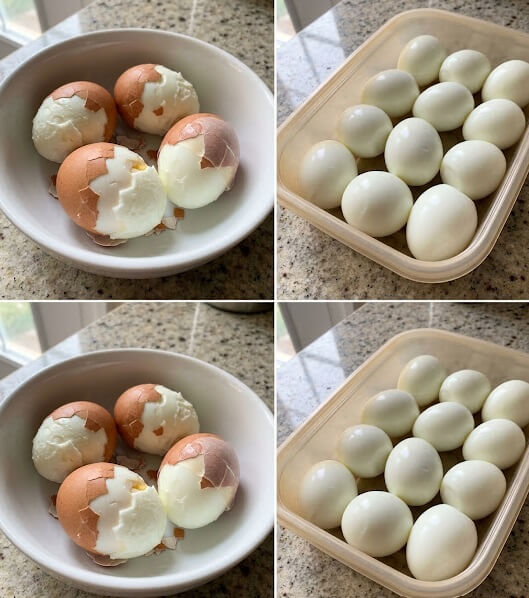
How to Peel Hard-Boiled Eggs Easily Without Damaging Them
If you’ve ever tried peeling a hard-boiled egg only to have little pieces of egg white come away with the shell, you know how frustrating it can be. Instead of getting smooth, perfectly peeled eggs, you end up with uneven surfaces that aren’t quite what you had in mind.
The good news is that a few simple changes to the cooking and cooling process can make peeling eggs much easier. From choosing the right eggs to giving them enough time in an ice bath, these practical kitchen tips can help you get better results.
Whether you’re preparing deviled eggs, making a potato salad, or adding sliced eggs to a lunch bowl, here’s a simple method worth trying.
The 3-Step Method for Easier-to-Peel Eggs
1. Choose Eggs That Aren’t Extremely Fresh
Fresh eggs are wonderful for many recipes, but they can sometimes be more difficult to peel after boiling.
As eggs age during refrigerated storage, changes in their internal chemistry can affect how tightly the egg white sticks to the shell membrane.
For this reason, eggs that have been stored properly in the refrigerator for several days may be easier to peel than very fresh eggs.
Helpful tip: If you know you’ll be making hard-boiled eggs for a special meal, plan ahead and use eggs that have been refrigerated for a few days rather than buying them immediately before cooking.
2. Try Steaming Instead of Boiling
Steaming is a convenient way to cook eggs and can produce consistently cooked results.
Here’s how to do it:
- Add about one inch of water to a saucepan.
- Bring the water to a boil.
- Place the eggs in a steamer basket above the water.
- Cover the saucepan and steam until the eggs reach your preferred doneness.
Approximate steaming times are:
- Soft-centered eggs: 6 minutes
- Medium-cooked eggs: 8 minutes
- Fully cooked eggs: 12–13 minutes
Cooking times can vary depending on egg size, starting temperature, and your equipment, so adjust as needed.
Why try steaming?
Steam provides consistent heat around the eggs and is a practical alternative to cooking them directly in water. Many home cooks find this method convenient when preparing several eggs at once.
3. Cool the Eggs in an Ice Bath Before Peeling
Once the eggs have finished cooking, transfer them immediately to a bowl filled with cold water and ice.
Let them cool for approximately 10–15 minutes.
This quick cooling step helps stop the cooking process and makes the eggs more comfortable to handle.
When you’re ready to peel:
- Gently tap the egg against a countertop to crack the shell.
- Roll it lightly between your hands to loosen the shell.
- Start peeling from the wider end, where there is often a small air pocket.
- If needed, peel the egg under a little running water or in a bowl of water to help loosen stubborn pieces of shell.
Take your time, especially if you’re preparing eggs for deviled eggs or another dish where appearance matters.
A Few More Tips for Better Results
Small details can make a difference when preparing hard-boiled eggs.
- Use enough water or steam: Make sure your cooking setup provides even heat.
- Avoid overcrowding: Arrange eggs in a single layer when possible.
- Handle gently: Cracking the shell too aggressively can damage the egg white.
- Cool thoroughly: Give the eggs enough time in cold water before peeling.
- Peel carefully: Removing the shell in small sections can help preserve the smooth surface.
You may also come across advice about adding baking soda or vinegar to the cooking water. These methods are often discussed in home kitchens, but they aren’t necessary for this technique and do not guarantee easier peeling.
What Can You Make With Perfectly Peeled Eggs?
Once your eggs are ready, there are plenty of delicious ways to use them.
- Deviled Eggs: A classic appetizer with a creamy, seasoned filling.
- Egg Salad: Combine chopped eggs with mayonnaise, mustard, and your favorite seasonings.
- Potato Salad: Add sliced or chopped eggs for extra texture and flavor.
- Green Salads: Use egg wedges as a simple protein-rich topping.
- Breakfast Bowls: Pair hard-boiled eggs with toast, vegetables, or avocado.
How to Store Hard-Boiled Eggs
If you’re preparing eggs ahead of time, proper storage is important.
According to USDA food safety guidance, hard-cooked eggs should be refrigerated within two hours of cooking and used within one week.
Keeping the shells on until you’re ready to use the eggs can also help protect them during storage.
Store them in a covered container in the refrigerator rather than leaving them at room temperature for extended periods.
Final Thoughts
Peeling hard-boiled eggs doesn’t have to be a frustrating kitchen task. Choosing eggs that aren’t extremely fresh, trying the steaming method, and cooling them properly can all help make the process easier.
The next time you’re preparing deviled eggs, a fresh salad, or a simple meal-prep lunch, give these tips a try. With a little practice, you’ll have a much easier time getting neatly peeled eggs ready for your favorite recipes.