
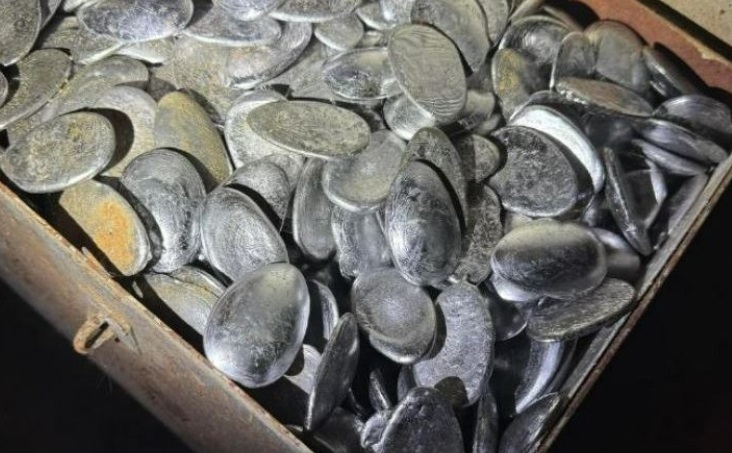
The Hidden Story Behind a Heavy “Spoon” from the Past
Have you ever spotted a strange, heavy object in an antique shop and wondered about its purpose? Some tools that look like simple kitchen utensils actually tell stories of ingenuity, survival, and everyday life from another era.
One such object is a dark, cast-iron tool often mistaken for a rustic cooking spoon—but its role went far beyond the kitchen
More Than a Kitchen Utensil
At first glance, this object appears ordinary. In reality, it was historically used in home workshops and outdoor settings, where families relied on practical tools to meet daily needs. Rather than preparing food, it was associated with basic metalworking tasks common in the 19th and early 20th centuries.
A Symbol of Self-Reliance
In a time when stores and mass-produced goods were rare or inaccessible, households depended on their own skills. This type of tool was part of a broader culture of self-sufficiency, allowing people to reuse materials and create small, essential items for everyday life.
Its presence reflects an era when making, repairing, and reusing were not hobbies—but necessities
A Window into Daily Life
These tools highlight how closely work and home life were connected. Children and adults alike learned by observing and assisting, gaining respect for heat, materials, and careful craftsmanship. Such experiences helped build patience, responsibility, and problem-solving skills.
Why It’s Viewed Differently Today
While fascinating from a historical perspective, materials once commonly handled are now known to pose health risks. Modern safety standards emphasize proper equipment, ventilation, and alternatives—making these practices something to study, not recreate.
A Renewed Interest in Traditional Crafts
Today, similar tools appear mainly in museums, antique collections, and educational demonstrations. They are appreciated for what they represent: creativity, resilience, and the ability to adapt with limited resources.
People interested in history, traditional crafts, or handmade skills often see these objects as reminders that knowledge and ingenuity were once as valuable as any store-bought item.
How to Recognize One
When browsing antique shops, these tools often stand out because of their weight, rough cast texture, long handle, and deep bowl—features designed for durability rather than comfort or decoration.
Lessons from the Past
This simple object reflects a timeless mindset: using what you have, learning by doing, and valuing practical knowledge. Even today, that spirit lives on through gardening, woodworking, sewing, and other hands-on pursuits.
Disclaimer: This article is for historical and educational purposes only and does not encourage recreating past practices.
Sometimes, an old tool is more than metal—it’s a story of human resourcefulness waiting to be rediscovered.