
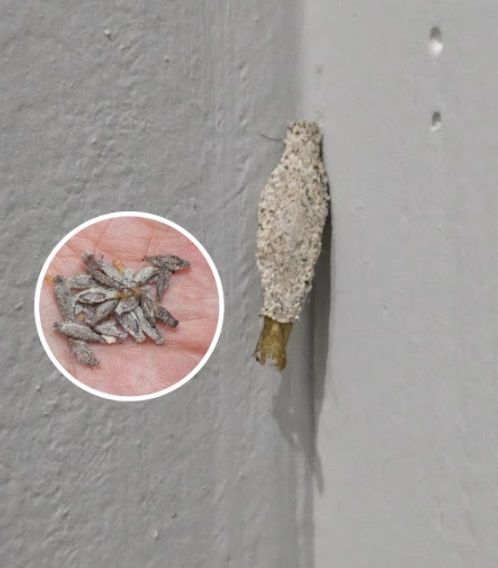
Even though these moths are gentle and harmless, several natural traits—combined with human psychology—can make them feel unsettling:
1. Uncanny Size & Stillness
Moths like the Polyphemus or Luna can have wingspans of 4–6 inches. When they cling motionless to a wall or window at night, their large, eye-like markings and silent presence can trigger a primal alertness—our brains are wired to notice still, staring shapes in low light (a survival trait).
2. Silent, Fluttering Movement
Unlike buzzing flies or chirping crickets, large moths fly almost silently. That sudden, ghostly flutter out of the corner of your eye—especially in the dark—can startle even the most rational person.
3. Nocturnal Behavior
Because they’re active at night, moths often appear when we’re relaxed or vulnerable (e.g., getting ready for bed). This timing fuels associations with mystery, dreams, or even omens in folklore.
4. Cultural Symbolism
In some traditions, moths represent spirits, transformation, or messages from beyond. While not always negative, these symbolic links can lend them an eerie aura—especially when paired with modern horror storytelling.
5. Misinformation & Viral Fear
Online posts amplify fear by cropping, filtering, or mislabeling photos—turning a beautiful Luna moth into a “haunting intruder.” Once labeled as “creepy,” our perception shifts, even if the creature itself hasn’t changed.
A Gentle Reminder
“Fear thrives in the unknown—but curiosity dissolves it.”
Next time you see a large moth resting on your wall, take a breath… and maybe a photo. You’re not being watched—you’re being visited by one of nature’s quiet, short-lived wonders. Most adult giant moths don’t even have mouths—they live only to mate and die within days.
They’re not here to haunt you.
They’re just passing through.