
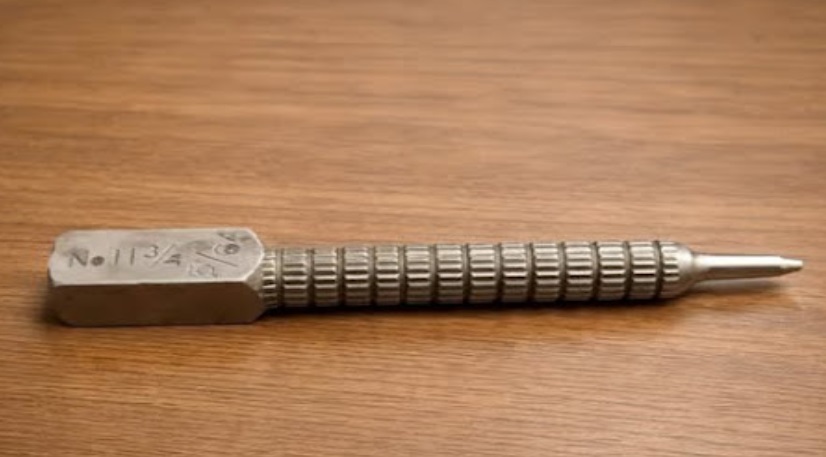
Introduction
In today’s fast-paced digital world, everyday objects quickly become obsolete. A simple kitchen tool or outdated gadget can suddenly feel like a mystery to younger generations. Yet, these “relics of the past” are more than forgotten items—they are powerful reminders of how people once lived, worked, and solved problems.
When someone recognizes an old object—like an egg separator, rotary phone, or film camera—it often sparks a deep emotional response. These items connect us to personal memories, family traditions, and a slower, more intentional lifestyle.
Understanding why these objects trigger nostalgia helps us better appreciate technology evolution, lifestyle changes, and human innovation over time.
Why Old Objects Create Strong Emotional Connections
1. Physical Objects as Memory Triggers
Unlike modern digital tools, older items were tactile and required hands-on interaction. This created stronger emotional and sensory memories.
Think about:
- The sound of a rotary phone dialing
- The feeling of flipping through a paper dictionary
- The process of manually preparing food
These experiences formed what experts call embodied memory, where actions and routines are stored in the body, not just the mind.
2. Rapid Technology Evolution
One major reason these objects feel fascinating today is the speed of digital transformation.
Fax machines → Email communication
VHS tapes → Streaming platforms
Paper maps → GPS navigation systems
This rapid shift highlights how quickly “essential tools” can become outdated. It also reflects broader trends in consumer technology and innovation.
3. Building Generational Understanding
Old tools help bridge the gap between generations. When younger people learn about outdated objects, they gain insight into a different way of life.
For example:
Food preparation used to be manual and time-consuming
Data storage relied on fragile physical formats
Daily routines required patience and repetition
This creates empathy and understanding across generations, strengthening family and cultural connections.
Common Vintage Objects and Their Purpose
- Butter mold – Used to shape homemade butter into neat forms. It disappeared with the rise of industrial food production.
- Egg candler – Helped check egg quality by shining light through the shell. It became obsolete due to automated food processing systems.
- Sock darner – A small tool used to repair holes in socks and clothing. It faded away as fast fashion made replacing clothes cheaper than fixing them.
- Rotary phone dialer – Allowed users to dial numbers manually on old telephones. It vanished with the invention of touchscreen smartphones.
- Film splicer – Used to cut and join film reels during editing. It was replaced by digital video editing technology.
The Truth About Nostalgia and “The Old Days”
While nostalgia often makes the past seem better, it’s important to stay balanced. Many old tools existed because life was harder, not simpler.
Examples:
- Washboards required intense manual labor
- Ice boxes lacked reliable food preservation
- Outdoor toilets posed hygiene challenges
Rather than idealizing the past, we should recognize the progress in comfort, health, and convenience that modern technology provides.
How to Preserve History in a Modern World
Keeping these stories alive doesn’t require a museum—it starts at home.
- Ask older family members about tools they used
- Document stories behind household objects
- Share educational content on social media
- Repurpose vintage items while preserving their meaning
This approach supports cultural preservation, storytelling, and educational content creation—all valuable in today’s content-driven economy.
Engagement Idea for Social Media
Try this simple content idea:
“This is ______. It was used for ______. It reminds me of ______.”
This type of storytelling performs well in social media engagement, audience growth, and content monetization strategies.
Final Thought: The Value of Forgotten Objects
Old objects are not just outdated tools—they are symbols of human creativity and adaptation. Each one tells a story about how people solved everyday problems with the resources they had.
In a world driven by automation and convenience, these relics remind us of the skill, patience, and ingenuity that shaped modern life.
By understanding the past, we gain a deeper appreciation for the present—and a clearer vision for the future.