
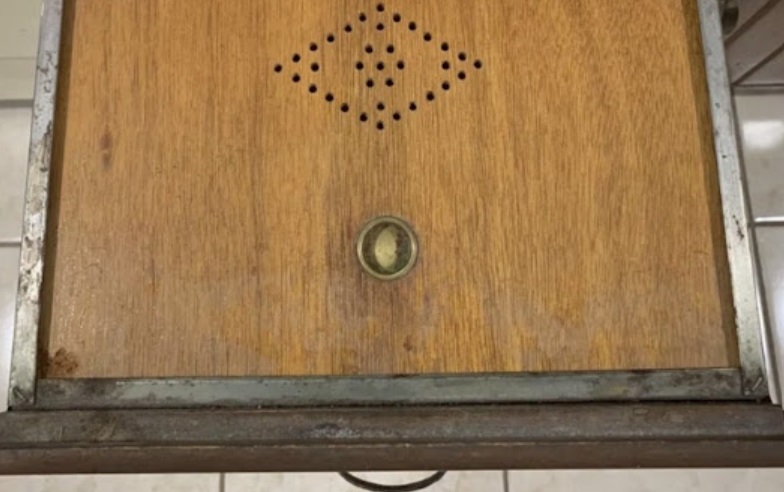
Why the Breadbox Was More Than Just a Box
It represented a slower, more connected way of living:
- Bread was made or bought fresh—not pulled from a freezer
- Meals were planned around real food—not convenience
- Kitchens were gathering places—not just prep zones
- Cutting a slice wasn’t a chore—it was a ritual of care. Offering warm rolls wasn’t just feeding—it was nourishing.
The breadbox said: “We eat together. We value freshness. We honor the simple things.”
Could the Breadbox Make a Comeback?
- With the rise of sourdough, bakery loaves, and homemade bread, many are rediscovering that plastic bags ruin good bread.
- Modern solutions inspired by the past:
- Ceramic bread bins with bamboo lids
- Wooden bread drawers in custom cabinetry
- Vintage breadboxes repurposed as stylish kitchen decor
Tip: Store crusty bread (like baguettes) in a paper bag inside a breadbox. Soft sandwich loaves? Keep in the fridge—but never in plastic at room temp!
Final Thought
The breadbox wasn’t outdated.
It was ahead of its time—a sustainable, zero-waste, low-tech solution to food preservation.
In an age of smart fridges and meal kits, maybe what we need isn’t more tech—but more tenderness.
More moments where we pause, slice a loaf, and say:
“This is enough. This is home.”
So if you find a breadbox in your kitchen—use it.
Fill it with a local bakery loaf. Share it with someone you love.
And let that small wooden (or metal) box remind you:
The best things in life aren’t flashy. They’re fresh, shared, and kept close.
“A kitchen without a breadbox isn’t missing storage. It’s missing soul.”
Do you remember a breadbox from your childhood? Do you still use one today? Share your memory below—we’re all keeping tradition alive, one loaf at a time.