
What Is a Surfboard Wash Station?
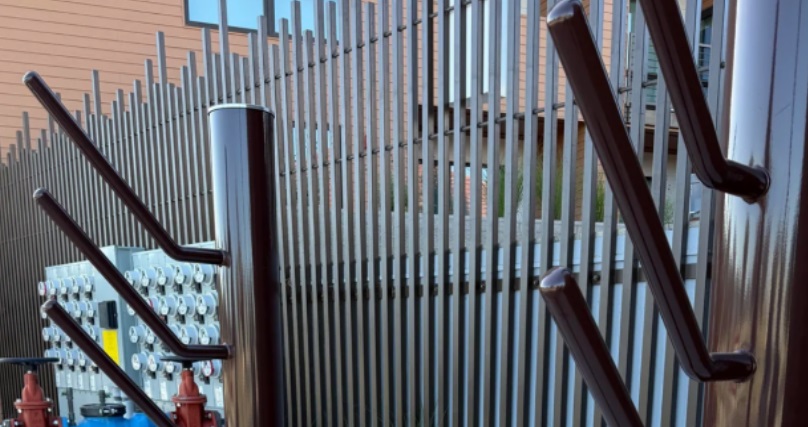
At first glance, these metal structures may look like artwork or unusual bike racks. In reality, they’re surfboard wash stations—outdoor rinse stations designed to help surfers clean their gear before bringing it indoors.
How Does It Work?
A typical surfboard wash station includes:
A sturdy vertical pole for support.
Angled arms that securely hold surfboards.
A hose or water connection for rinsing.
A drainage area that carries away sand and water.
Surfers place their board on the angled arms and rinse off sand, salt, and debris before heading home.
Why Are They Installed?
Coastal buildings install these stations to help keep shared spaces clean.
They help:
Remove sand before entering buildings.
Wash away salt that can damage equipment.
Reduce clogged drains caused by sand.
Keep hallways, elevators, and apartments cleaner.
They are commonly found at:
Beachfront apartment complexes
Coastal condominiums
Student housing near beaches
Public beach access areas
Surf camps and vacation rentals
Why Are the Arms Angled?
The angled design is intentional because it:
Holds boards securely while rinsing.
Prevents boards from sliding off.
Allows water to drain naturally.
Keeps boards off rough ground, helping prevent scratches.
More Than Just Surfboards
These stations are also useful for rinsing:
Paddleboards
Bodyboards
Wetsuits
Beach chairs
Fishing equipment
Kayaks
Other beach gear
Benefits
A surfboard wash station helps:
Keep indoor spaces cleaner.
Protect surf equipment from salt buildup.
Reduce maintenance for buildings.
Make beach life more convenient for residents and visitors.
Frequently Asked Questions
Are these stations public?
Some are open to the public, while others are for residents or guests only.
Can I wash my car there?
No. They are intended for surfboards and beach equipment.
Can I install one at home?
Yes. Homeowners living near the beach can install a simple rinse station with a hose and sturdy supports.
Final Thoughts
Surfboard wash stations are a practical feature in many coastal communities. They make it easier to rinse beach equipment, reduce the amount of sand brought indoors, and help protect both personal gear and shared living spaces. While they may look unusual, they’re a simple solution to a common challenge faced by people who spend time at the beach.