
Introduction
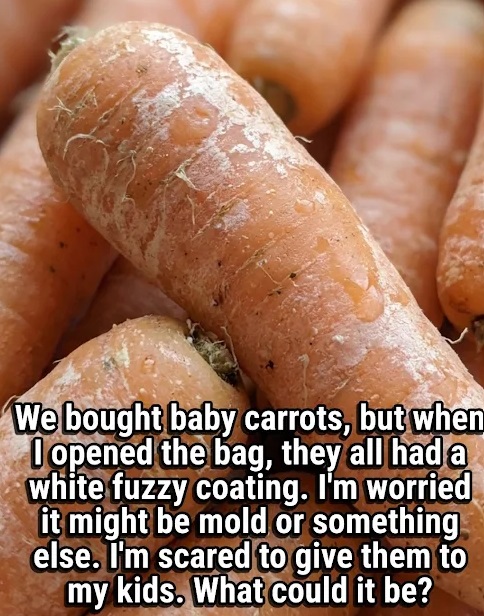
Fresh fruits and vegetables are an important part of a healthy diet, but they can also be expensive. That’s why it can be frustrating to open a bag of baby carrots only to find them covered in a white, powdery coating a few days after purchase.
Many people assume this white film means the carrots have spoiled or developed mold. As a result, perfectly good carrots often end up in the trash. Fortunately, that white coating is usually harmless and does not mean the carrots are unsafe to eat.
Understanding what causes this common phenomenon can help reduce food waste, save money, and ensure that safe, nutritious food isn’t discarded unnecessarily.
What Is the White Coating on Baby Carrots?
The white coating commonly found on baby carrots is known as white blush or carrot blush.
Despite its appearance, it is not mold, bacteria, or a sign of spoilage. Instead, it occurs when moisture evaporates from the surface of the carrot. As the outer layer dries out, the surface becomes lighter in color and develops a chalky white appearance.
Because baby carrots have been peeled and processed, they lack the natural protective skin found on whole carrots. This makes them more vulnerable to moisture loss during storage.
Why Does It Happen?
Baby carrots are naturally high in water content. Once they are peeled, their exposed surface begins losing moisture to the surrounding air.
Several factors can speed up this process:
- Improper storage
- Exposure to dry refrigerator air
- Loose or damaged packaging
- Frequent opening and closing of the storage container
- Extended storage periods
As water leaves the outer cells, the surface becomes dehydrated and takes on the familiar white appearance.
Is It Safe to Eat?
Yes.
In most cases, baby carrots with white blush are completely safe to eat.
The white coating is simply dehydrated carrot tissue and does not pose a health risk. If the carrots remain firm, smell normal, and show no signs of spoilage, they can be consumed safely.
Many people choose to rinse the carrots before eating them because water temporarily restores some of their natural orange color.
White Blush vs. Mold: How to Tell the Difference
White Blush
Color: White or pale gray
Texture: Dry and powdery
Odor: No unusual smell
Appearance: Even, uniform coating across the surface
Safety: Generally considered harmless and often related to moisture or fat migration
Mold
Color: Green, blue, black, or dark gray
Texture: Fuzzy, hairy, slimy, or raised
Odor: Musty, sour, or unpleasant smell
Appearance: Irregular spots or patches that spread unevenly
Safety: Should be discarded to avoid potential health risks
Quick Rule of Thumb
If the coating is dry, white, odorless, and evenly distributed, it is often a harmless white blush. If you notice colorful spots, fuzziness, slime, or a musty odor, treat it as mold and discard the food.
When in doubt, especially with perishable foods, it’s safest to throw the item away rather than risk consuming spoiled food.
How to Reduce White Blush
Although white blush is harmless, proper storage can help minimize moisture loss and keep carrots looking fresh longer.
Store in an Airtight Container
Keeping baby carrots in a sealed container or tightly closed package reduces exposure to dry air.
Maintain Moisture
Placing a slightly damp paper towel inside the storage container can help maintain humidity and slow dehydration.
Keep Refrigerated
Store carrots in the refrigerator at appropriate temperatures to preserve freshness and texture.
Avoid Long Storage Periods
Baby carrots are best consumed within one to two weeks after opening for optimal quality.
Separate from Ethylene-Producing Fruits
Fruits such as apples, pears, and bananas release ethylene gas, which may accelerate deterioration in nearby vegetables.
Can White Blush Be Reversed?
In many cases, yes.
Soaking baby carrots in cold water for 10 to 15 minutes may help them absorb moisture and reduce the appearance of white blush. While this does not completely reverse dehydration, it can improve their appearance and texture.
When Should You Throw Baby Carrots Away?
Baby carrots should be discarded if they show signs of actual spoilage, including:
- Slimy texture
- Strong unpleasant odor
- Visible colored mold
- Excessive softness or mushiness
- Dark spots associated with decay
These signs indicate that the carrots are no longer at their best quality and may not be safe to consume.
Frequently Asked Questions
Is the white coating mold?
No. White blush is caused by moisture loss and is not mold.
Can I eat carrots with white blush?
Yes. If the carrots remain firm and free of spoilage, they are generally safe to eat.
Why do baby carrots develop white blush more often?
Because they are peeled and lack the protective outer skin found on whole carrots.
Does white blush mean the carrots are old?
Not necessarily. It simply indicates some surface dehydration.
How long do baby carrots last in the refrigerator?
Typically one to two weeks when stored properly.
Can soaking carrots in water help?
Yes. Soaking in cold water may temporarily improve appearance and texture.
Final Thoughts
If you’ve ever noticed a white coating on baby carrots, there’s usually no reason for concern. In most cases, this condition—known as white blush—is simply the result of moisture loss and not a sign of spoilage.
Understanding the difference between harmless dehydration and actual food spoilage can help reduce unnecessary food waste and prevent perfectly edible produce from being discarded.
As long as baby carrots remain firm, odorless, and free from colored mold, they are generally safe to enjoy. Proper storage practices can help maintain freshness and minimize the appearance of white blush, ensuring your produce stays in the best possible condition for longer.