
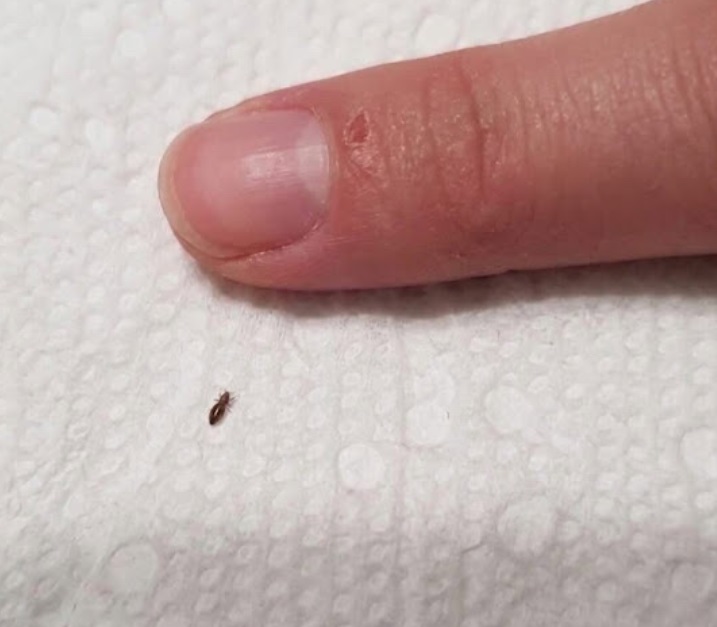
Found a Tiny Bug in Your Child’s Hair? Here’s How to Tell If It’s Head Lice
Finding a small bug in your child’s hair can be worrying, especially after daycare or outdoor play. However, a single insect does not automatically mean your child has head lice. Many tiny insects from grass, trees, or playgrounds can briefly end up in hair without causing any problem.
One Bug Doesn’t Always Mean Lice
Children spend a lot of time outdoors, making it common for harmless insects to land in their hair. Bugs such as aphids, gnats, seed bugs, or thrips do not live on humans and cannot survive in hair.
If you only find one bug and your child has no other symptoms, it may simply be an outdoor visitor.
How to Tell the Difference
It may be head lice if:
The insect is small, tan, gray, or brown.
It crawls but does not jump or fly.
It clings tightly to the hair near the scalp.
You notice tiny eggs (nits) firmly attached to hair close to the scalp.
It is likely not lice if:
The bug flies or jumps.
It brushes off easily.
It has wings or long antennae.
You only find one insect with no eggs.
How to Check for Lice
Use a fine-toothed lice comb under bright light.
Pay close attention to:
Behind the ears
The back of the neck
Hair close to the scalp
Look for:
Live moving lice
Nits that are firmly attached to the hair shaft (they do not brush off like dandruff).
What to Do If You Find Lice
If you confirm head lice:
Follow the instructions on an appropriate lice treatment.
Check other family members.
Inform your child’s daycare or school if required.
Wash recently used bedding, hats, towels, and hair accessories in hot water.
Clean combs and brushes with hot water.
Deep cleaning the entire house is not necessary because head lice survive only a short time away from the human scalp.
Common Myths
Lice are not caused by poor hygiene.
Pets do not spread human head lice.
Cutting hair does not eliminate lice.
Most lice spread through direct head-to-head contact, not by sharing hats.
Frequently Asked Questions
Can my child have lice without itching?
Yes. Some children have little or no itching, especially early on.
Can dogs or cats spread lice?
No. Human head lice only live on humans.
Should my child stay home?
Follow your local school or daycare policy. In many cases, children can return after appropriate treatment begins.
Final Thoughts
Finding a tiny bug in your child’s hair can be unsettling, but it doesn’t always mean head lice. Take a careful look, check the scalp with a lice comb, and avoid rushing to conclusions. If you’re unsure, contact your child’s healthcare provider for guidance.
With a careful inspection and the right information, most situations can be handled quickly and calmly.