
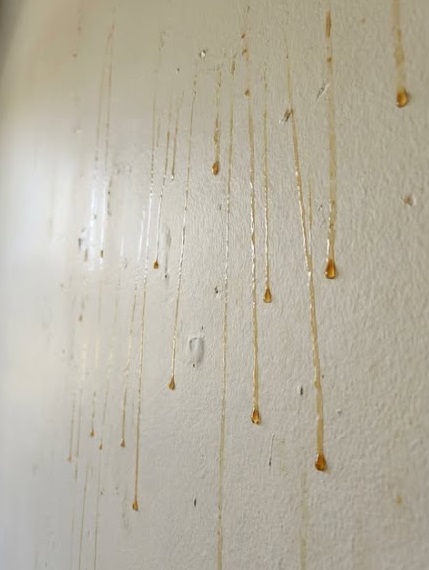
Oh, my dear friend, discovering something dripping down your bathroom walls can certainly be unsettling! At 73, living alone, I’ve certainly had my share of household mysteries over the years, and I’ve learned that catching these issues early is key to preventing bigger problems down the road.
That yellow substance could be several things, and the cause really matters for how you handle it. Let me share what I’ve learned about this common bathroom mystery.
The Most Likely Culprits:
1. Rust Stains from Water or Fixtures
This is one of the most common causes! Yellow or orange-brown streaks often indicate:
High iron content in your water (common with well water or old pipes)
Rusting metal fixtures or pipe fittings behind the walls
Corroding showerhead or faucet components
The Test: Rust stains typically feel rough to the touch and don’t easily wipe away with water.
2. Serratia Marcescens (Pink/Yellow Bacteria)
Don’t let the scientific name scare you! This is a naturally occurring bacteria that thrives in:
Moist, humid environments
Areas with soap scum or fatty deposits (like from shampoo or body oils)
Bathrooms with poor ventilation
It often appears pink, orange, or yellow and is harmless to healthy individuals, but it’s unsightly and indicates excess moisture.
3. Nicotine or Tobacco Residue
If anyone smokes (or used to smoke) in the home, nicotine can:
Accumulate on walls over time
Turn yellow when exposed to humidity
Drip down when moisture condenses on the walls
4. Soap Scum and Hard Water Buildup
Over time, the combination of:
Soap residue
Hard water minerals (calcium and magnesium)
Body oils and skincare products
Can create a yellowish film that drips when wet.
5. Water Damage or Leaks
This is the most serious possibility. Yellow streaks could indicate:
A slow leak behind the walls
Water seeping through from above
Failing sealant around tub/shower fixtures
Condensation from poorly insulated pipes
Warning signs: If the yellow substance has a musty odor, or if the wall feels soft or spongy, you may have water damage that needs immediate attention.
My Proactive, Step-by-Step Action Plan:
Step 1: Identify the Source
Touch test: Does it feel slimy (bacteria), gritty (rust/minerals), or sticky (soap scum)?
Smell test: Does it have a musty odor (mold/water damage) or no smell (rust/bacteria)?
Location test: Is it near fixtures (likely rust/leak) or all over (likely bacteria/soap scum)?
Step 2: Address the Immediate Issue
For Rust Stains:
Mix equal parts white vinegar and water
Spray on the stain, let sit for 15 minutes
Scrub gently with a non-abrasive sponge
Rinse thoroughly
For Bacteria (Serratia):
Mix 1 part bleach to 10 parts water (or use a bathroom cleaner with bleach)
Spray and let sit for 10 minutes
Scrub and rinse well
Important: Improve ventilation to prevent recurrence!
For Soap Scum/Hard Water:
Use a commercial bathroom cleaner or make a paste with baking soda and water
Scrub gently and rinse
Step 3: Check for Leaks (Crucial!)
If you suspect water damage:
Inspect around the tub/shower sealant for cracks
Check under the sink for drips
Look at the ceiling below the bathroom for water stains
Monitor your water bill for unexplained increases
If you find evidence of a leak, call a plumber promptly!
Step 4: Prevent Recurrence
Improve ventilation: Run the bathroom fan during and for 20-30 minutes after showers
Wipe down walls: After showering, use a squeegee or towel to wipe moisture from walls
Fix leaks promptly: Even small drips add up over time
Clean regularly: Weekly cleaning prevents buildup
Check your water: If you have well water or old pipes, consider a water test for iron content
When to Call a Professional:
Please call a plumber or contractor if:
The yellow substance keeps returning despite cleaning
You notice soft, spongy, or discolored drywall
There’s a persistent musty odor
You see visible mold growth (black, green, or extensive yellow/pink)
Your water bill has increased unexpectedly
The ceiling below shows water stains
My “Home Lover’s” Peace of Mind Tip:
Dealing with household issues can be stressful, and we know stress isn’t good for our circulation or those unexplained purple blotches on our arms! After handling any home maintenance, I always take a moment to decompress with my favorite calming ginger and lemon tea. The warmth is soothing, ginger supports healthy circulation, and lemon provides a fresh, cleansing feeling. It’s my way of restoring peace to my sanctuary.
The Bottom Line:
Yellow dripping in your bathroom is usually not an emergency, but it is a signal that something needs attention. Whether it’s simple bacteria buildup, rust from hard water, or a more serious leak, addressing it promptly will prevent bigger problems and keep your bathroom (and your peace of mind) in top shape.
Have you dealt with bathroom staining before? What worked best for you? I’d absolutely love to hear your thoughts and experiences. Drop a comment below, and please know that you’re not alone in this!
Stay calm, stay proactive, and I’ll see you in the kitchen (with a clean bathroom, I hope)!