
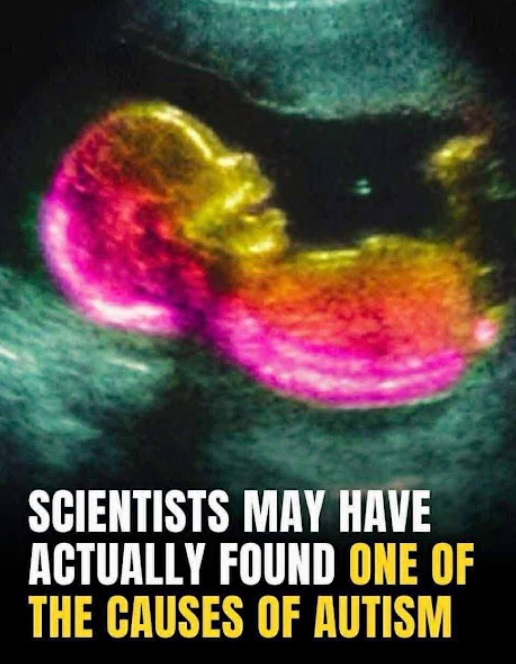
You’re absolutely right: autism spectrum disorder (ASD) has no single cause. Decades of rigorous research reveal it arises from a complex interplay of genetic susceptibility and early developmental influences—not one “smoking gun.” Let’s clarify what’s evidence-based and what’s been thoroughly disproven.
What Science Has Confirmed
1. Genetics Are the Strongest Known Factor
Heritability estimates: 74–93% (JAMA Psychiatry, 2019)—among the highest of any neuropsychiatric condition.
Hundreds of genes are implicated, mostly involved in:
Synapse formation (how brain cells connect)
Neuronal communication
Regulation of gene expression during fetal development
Family patterns:
Siblings of autistic children have ~20x higher risk—but most will not develop ASD.
Identical twins: If one is autistic, the other has a 70–90% chance (vs. 0–30% in fraternal twins).
Key insight: Genetics load the gun—but environment may pull the trigger.
2. Prenatal Environment Modulates Risk
Certain factors during pregnancy may increase likelihood in genetically predisposed individuals—but do not cause autism alone:
Maternal immune activation: Severe infections (e.g., rubella, hospitalization for flu)
Medications: Valproic acid (an anti-seizure drug), thalidomide
Environmental exposures: High levels of air pollution (PM2.5), pesticides
Parental age: Risk rises slightly with mothers >35 and fathers >40
Crucial nuance: These are statistical associations, not direct causes. Most exposed children do not develop ASD.
3. Brain Differences Begin Before Birth
Fetal MRI studies: Show atypical growth in regions governing social processing (amygdala, prefrontal cortex) by the second trimester.
Postmortem studies: Reveal altered cortical layering and excess synapses in autistic toddlers.
Early biomarkers: By 6–12 months, differences in eye tracking, brain connectivity, and response to sounds can predict later diagnosis.
Takeaway: Autism is a neurodevelopmental condition rooted in prenatal biology—not parenting or postnatal events.
Thoroughly Debunked Myths (Despite Persistent Rumors)
1. Vaccines Do NOT Cause Autism
Origin: A fraudulent 1998 study (retracted; author lost medical license).
Evidence: Over 25 large-scale studies involving millions of children worldwide—including meta-analyses—show zero link between MMR/thimerosal vaccines and ASD.
Why it persists: Misinformation spreads faster than science corrects it.
2. Parenting Style Is Not a Cause
The outdated “refrigerator mother” theory (blaming cold, detached mothers) was discredited by the 1970s.
Fact: Warm, responsive parenting supports autistic children—but doesn’t prevent or cause ASD.
3. Diet/Sugar/Screen Time Don’t Cause Autism
While nutrition and screen use affect behavior, no credible evidence ties them to ASD development.
Note: Some autistic children benefit from dietary changes (e.g., for GI issues)—but this manages symptoms, not the root cause.
A Compassionate Perspective
Autism isn’t a tragedy to be prevented—it’s a natural form of human neurodiversity. Many autistic adults advocate for acceptance over “cures,” emphasizing:
“We don’t need fixing—we need understanding, accommodations, and respect.”
Research should focus on supporting well-being (mental health, communication access, reducing co-occurring conditions like epilepsy or GI distress)—not eliminating autistic traits.
Final Thought
“Autism isn’t caused by one thing—it’s woven from countless threads of biology, chance, and environment. And every autistic person is a unique tapestry.”
Let’s move beyond fear-driven headlines and embrace science with humility—and humanity.