
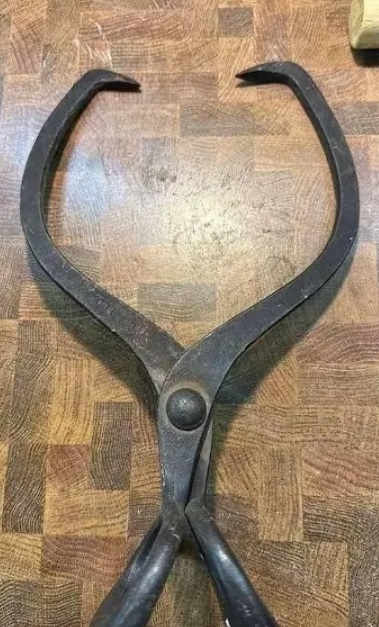
Tucked away beneath layers of dust in the attic of a nearly century-old home sat an unexpected piece of history: a wooden icebox. At first glance, it looked like an old cabinet, worn by time but still remarkably sturdy. Yet this wasn’t just a piece of furniture—it was once an essential part of daily life.
Before electric refrigerators became common, families relied on iceboxes to keep food fresh. These simple but effective appliances played a vital role in kitchens across North America and many other parts of the world. Finding one today offers a fascinating reminder of how much everyday life has changed over the last hundred years.
What Was an Icebox?
An icebox was an insulated cabinet designed to keep food cool using large blocks of ice. Unlike modern refrigerators, it required no electricity. A block of ice was placed in a compartment, usually at the top, and the cold air naturally circulated through the cabinet, helping preserve food.
Most iceboxes were made from solid wood and lined with metal materials such as zinc or tin. They were carefully constructed to maintain cool temperatures for as long as possible. Melted ice drained into a pan that had to be emptied regularly.
Although the technology was simple, it represented an important innovation for families who needed a practical way to store milk, butter, meat, and other perishables before refrigeration became widely available.
Daily Life With an Icebox
Using an icebox required much more attention than using a modern refrigerator. Families had to keep track of how much ice remained and arrange regular deliveries.
The arrival of the ice delivery person was once a familiar part of everyday life. Large blocks of ice were transported to homes and placed inside the icebox to keep food cool. During hot weather, households often needed fresh ice more frequently.
Because cooling capacity was limited, people learned to manage food carefully. Meals were planned around what could be stored safely, and food waste was often avoided through necessity. Every bit of storage space mattered.
Opening the icebox door was different from opening a refrigerator today. Families tried to open it only when necessary because each opening allowed cold air to escape and reduced efficiency.
Why Iceboxes Disappeared
The rise of electric refrigeration changed everything.
During the early twentieth century, refrigerators gradually became more affordable and reliable. Unlike iceboxes, they did not require ice deliveries or daily maintenance. They offered more consistent temperatures and greater convenience.
As electric refrigerators became common, many households replaced their old iceboxes. Yet these sturdy wooden cabinets were rarely thrown away immediately. Instead, they were often moved to attics, basements, garages, or storage areas.
That is why many old homes still contain forgotten iceboxes waiting to be discovered decades later.
A Valuable Piece of History
Today, antique iceboxes are appreciated not only for their practical history but also for their craftsmanship. Many were built from high-quality wood and designed to last for generations.
Collectors and history enthusiasts often restore these pieces and use them as decorative furniture. Some become storage cabinets, display pieces, or conversation starters in modern homes.
What makes them especially fascinating is their connection to everyday family life. Unlike rare museum artifacts, iceboxes were ordinary household items used by millions of people. They were present during family meals, celebrations, and daily routines.
Lessons From the Past
Finding an icebox in an attic is more than discovering an old object. It is a reminder of how previous generations adapted to the technology available to them.
Modern refrigerators allow us to store food for extended periods with little effort. We rarely think about the systems working behind the scenes. Yet for families who relied on iceboxes, food storage required planning, maintenance, and attention.
Looking back at these inventions helps us appreciate both the convenience of modern life and the ingenuity of those who came before us. They found effective solutions using the tools and knowledge available at the time.
Why People Love Discoveries Like This
Stories about forgotten items hidden in old homes capture people’s imagination because they connect us to real lives from the past. An icebox is not just wood and metal. It represents decades of memories, routines, and family history.
Each scratch, dent, and worn handle tells part of a story. Who opened its doors every morning? What meals were stored inside? How many generations depended on it before it was finally carried to the attic and forgotten?
These questions remind us that history is not only found in textbooks. Sometimes it is hidden in ordinary objects quietly waiting to be rediscovered.
Final Thoughts
The old icebox found in the attic may no longer keep food cold, but it still serves an important purpose. It offers a glimpse into a world before modern refrigeration, when keeping food fresh required planning, effort, and regular ice deliveries.
More than an antique, it is a symbol of everyday innovation and resilience. Discoveries like this help preserve the stories of previous generations and remind us how far household technology has come.
The next time you open your refrigerator without a second thought, consider the families who once relied on a block of ice and a sturdy wooden cabinet to accomplish the same task. Their solution may seem simple today, but it was an essential part of life for generations.