
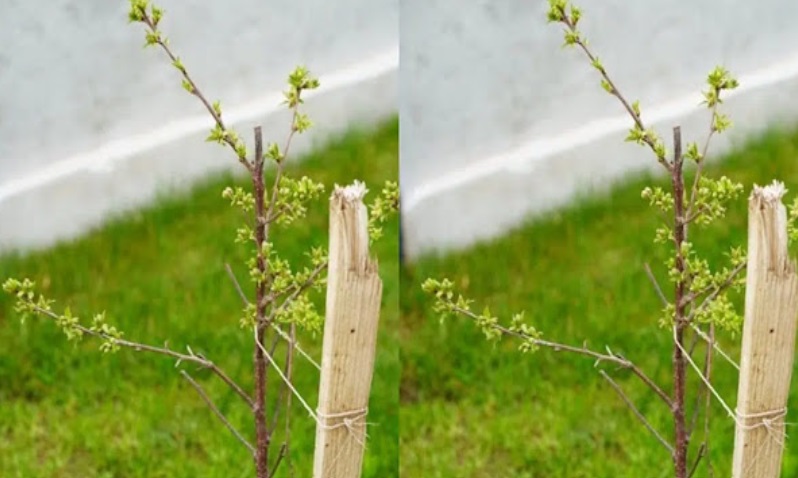
Should You Stake a Newly Planted Tree?
Tree stakes help support some newly planted trees, but they are not always necessary. In many cases, too much support can prevent a tree from developing a strong trunk and healthy root system.
Understanding when to stake a tree—and when to remove the stakes—can improve its long-term growth.
Why Are Trees Staked?
After planting, a young tree needs time for its roots to anchor into the surrounding soil. Stakes help protect the tree if strong winds or unstable soil could cause the root ball to move.
Common reasons to stake a tree include:
Strong or constant winds
Loose or sandy soil
A small root ball with a large canopy
Heavy foot traffic around the planting area
Why Trees Need to Move
A small amount of movement helps trees develop stronger trunks. Gentle swaying in the wind encourages natural trunk thickening and improves stability over time.
If a tree is tied too tightly, it may grow tall but remain weak because the trunk cannot strengthen naturally.
Does Every Tree Need Stakes?
Not always.
Stake the Tree If:
It has a small or unstable root system.
It is planted in a very windy location.
The soil is loose or recently disturbed.
The tree cannot remain upright on its own.
Staking Is Usually Not Needed If:
The root ball is large and stable.
The tree stands upright without support.
It is planted in a sheltered location.
The trunk is already thick and sturdy.
How to Stake a Tree Correctly
Follow these basic guidelines:
Place stakes outside the root ball.
Use soft, flexible tree ties.
Attach ties to the lower third of the trunk.
Leave enough slack for the trunk to move slightly in the wind.
Avoid using wire or thin rope directly against the bark because they can damage the tree as it grows.
When Should Stakes Be Removed?
Most trees only need support for 6 to 12 months.
To check if the tree is ready:
Gently push the trunk.
If the base stays firmly in place, the stakes can usually be removed.
If the root ball still shifts, leave the support in place a little longer.
Avoid leaving stakes on for more than two years, as ties can restrict growth and damage the bark.
Frequently Asked Questions
- Can I use wire to stake a tree?
Bare wire should not touch the bark. Use soft tree ties or protect the wire with rubber tubing. - My tree is leaning. Should I straighten it?
A slight lean is normal and often corrects itself naturally. Only stake a tree if the lean is significant or the root ball is unstable. - How deep should stakes be installed?
Drive them about 12–18 inches into the ground, outside the root ball, so they remain secure.
Final Thoughts
Tree staking is a temporary support system, not a permanent one. Many newly planted trees grow best with little or no staking, while others benefit from short-term support during establishment.
Regularly inspect stakes and ties, remove them once the tree is stable, and allow natural movement to help develop a strong, healthy tree that can thrive for years.