
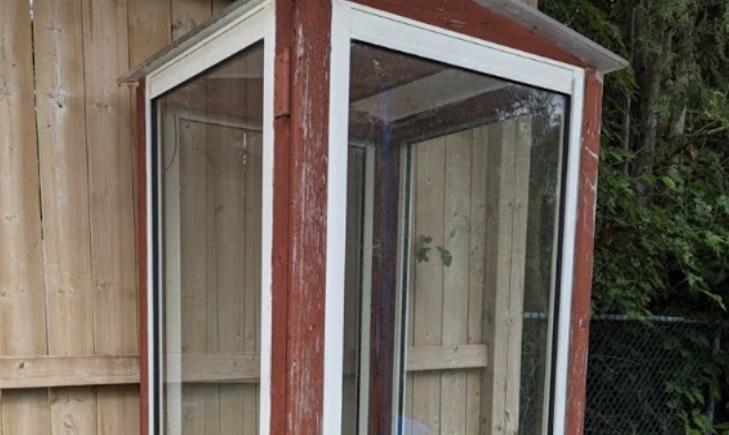
The Forgotten Backyard Mushroom House Making a Comeback
For many families in the 1970s and 1980s, growing mushrooms at home was a fun gardening project. Small mushroom houses made from reclaimed wood, old windows, or simple frames created the cool, humid conditions mushrooms need to grow.
Today, these compact growing spaces are becoming popular again as more people look for sustainable ways to produce fresh food at home.
Why Grow Mushrooms at Home?
1. They Need Very Little Space
Unlike most vegetables, mushrooms grow well in small shaded areas, making them ideal for patios, balconies, garages, or unused corners of the yard.
2. Affordable to Build
A basic mushroom house can be made with reclaimed wood, old windows, plastic sheeting, or shelving. Common growing materials include straw, hardwood sawdust, and coffee grounds.
3. Easy for Beginners
Oyster mushrooms are one of the easiest varieties to grow and can produce a harvest within a few weeks under the right conditions.
4. Sustainable Gardening
Mushrooms help recycle organic materials by growing on agricultural waste such as straw or sawdust, making them an environmentally friendly crop.
How to Build a Simple Mushroom House
A beginner-friendly mushroom house only needs a few basic features:
- A small wooden frame or shelving unit
- Transparent plastic or old windows to retain humidity
- Shelves for grow bags, buckets, or logs
- Small ventilation holes for fresh air
- A shaded location away from direct sunlight
Best Mushrooms for Beginners
Oyster mushrooms – Fast-growing and easy to maintain.
Shiitake – Popular for growing on hardwood logs.
Lion’s Mane – Known for its unique appearance and culinary uses.
Mushroom House vs. Vegetable Garden
- Space: A mushroom house requires only a small area, while a vegetable garden typically needs much more room.
- Sunlight: Mushrooms thrive in shady conditions, whereas most vegetables need plenty of direct sunlight.
- Water: Mushroom houses require light misting to maintain humidity, while vegetable gardens need regular watering.
- Maintenance: Mushroom houses are generally low-maintenance, whereas vegetable gardens require moderate, ongoing care such as weeding and pruning.
- Harvest Time: Mushrooms are often ready to harvest in 3–6 weeks (depending on the variety), while vegetables usually take several weeks to several months to mature.
Frequently Asked Questions
- Do I need special equipment?
No. Many beginners start with a mushroom grow kit or simple containers filled with mushroom substrate and quality spawn. - How do I maintain humidity?
Light misting once or twice a day is usually enough for many small mushroom houses. - Can I grow mushrooms in an apartment?
Yes. Small indoor setups using shelves or plastic containers can work well if humidity and ventilation are maintained. - Are homegrown mushrooms safe to eat?
Yes, when grown from certified mushroom spawn purchased from reputable suppliers. Avoid eating unidentified wild mushrooms.
Final Thoughts
A mushroom house is a practical way to grow fresh food in a limited space. Whether built from reclaimed materials or a simple shelving unit, it offers an enjoyable gardening project for beginners and experienced gardeners alike. With the right conditions, you can harvest fresh mushrooms while making good use of shaded areas that might otherwise go unused.