
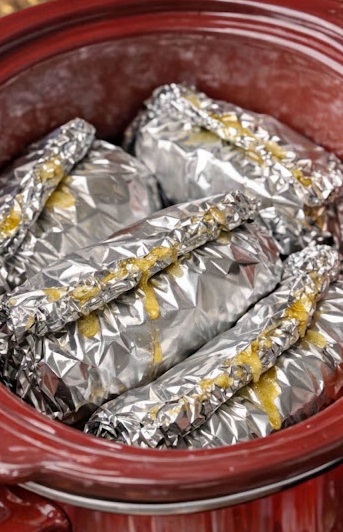
These Slow Cooker 3-Ingredient Cajun Steak Packets are an easy way to turn a few simple ingredients into a hearty, flavorful dinner. Tender pieces of steak and potatoes are seasoned with Cajun seasoning, wrapped in foil, and slowly cooked until the potatoes are fork-tender and the steak is perfectly cooked.
The foil packets help keep the ingredients together and make cleanup incredibly easy. You can also customize each packet with vegetables, garlic, butter, or extra spice depending on what your family enjoys.
1. Prepare the Steak and Potatoes
Cut the steak into evenly sized bite-sized pieces so the pieces cook as consistently as possible.
Wash the baby potatoes well, then halve the smaller ones and quarter any larger potatoes. Try to keep the pieces relatively similar in size.
If your potatoes are large, cutting them into smaller chunks is especially important. Potatoes generally take longer to become tender than steak, so smaller pieces help the ingredients cook more evenly.
2. Season the Ingredients
Place the steak and potatoes in a large mixing bowl.
Sprinkle the Cajun seasoning over everything and toss well until the steak and potatoes are evenly coated.
Cajun seasoning blends can vary quite a bit in saltiness and heat, so check the label before adding additional salt.
If you’re using onions, bell peppers, mushrooms, or another vegetable, you can add them to the bowl and toss everything together.
3. Create the Foil Packets
Tear off several large sheets of heavy-duty aluminum foil.
Divide the seasoned steak and potato mixture evenly between the sheets.
Fold the foil securely around the ingredients, creating tightly sealed packets while leaving a little space inside for heat and steam to circulate.
If your foil is thin, double-wrap each packet to help prevent tearing or leaking.
4. Place the Packets in the Slow Cooker
Carefully place the sealed foil packets inside the slow cooker.
Arrange them in a single layer whenever possible. If you’re preparing a larger batch and need to stack the packets, make sure each one is securely sealed.
You generally don’t need to add water to the slow cooker. The sealed packets retain moisture from the ingredients as they cook.
5. Cook Until the Potatoes Are Tender
Cover the slow cooker and cook until the potatoes are fork-tender and the steak is cooked to your preferred level of doneness.
Slow cookers can vary considerably in temperature and cooking performance, so cooking times may differ between models. Start checking the potatoes toward the end of the expected cooking period.
For food safety, use an instant-read thermometer to check the steak rather than relying only on its appearance.
6. Open the Packets Carefully
When the packets are finished, carefully remove them from the slow cooker.
Be very careful when opening the foil because hot steam can escape.
Transfer the steak and potatoes to plates or shallow bowls, then spoon some of the flavorful juices over the top.
Tips for the Best Cajun Steak Packets
Choose a Good Steak Cut
Sirloin is a convenient choice because it has plenty of beefy flavor without being overly fatty.
Other steak cuts can also work, but cooking time and tenderness may vary depending on the cut you choose.
Cut the Potatoes Evenly
This is one of the most important steps.
Large potato pieces can take much longer to become tender than smaller pieces. Cutting the potatoes into similarly sized chunks helps them cook more evenly.
Don’t Overfill the Packets
Avoid packing the foil so tightly that there is no room around the ingredients.
Leaving a little space allows heat and steam to circulate inside the packet.
Be Careful With Salt
Cajun seasoning often contains salt, so check the seasoning blend before adding more.
It’s much easier to add a little more seasoning at the end than to fix an overly salty meal.
Use Heavy-Duty Foil
Heavy-duty aluminum foil is less likely to tear during preparation or cooking.
If you’re using regular foil, consider wrapping each packet twice for extra protection.
How Spicy Are Cajun Steak Packets?
- The spice level depends mostly on the Cajun seasoning you use.
- Some Cajun blends are relatively mild, while others contain enough cayenne pepper to create noticeable heat.
- For a milder dinner, begin with a modest amount of seasoning and add more after cooking if needed.
- If you enjoy spicy food, add a little cayenne pepper or crushed red pepper before sealing the packets.
Easy Variations
Add Bell Peppers and Onions
Sliced bell peppers and onions are a natural match for Cajun-seasoned steak. They soften as they cook and add a subtle sweetness to the savory dish.
Add Corn
Corn adds a little sweetness and color. You can use fresh or frozen corn, or cut small pieces of corn on the cob to add to the packets.
Make Garlic Butter Cajun Packets
Add a small pat of butter and some minced garlic to each packet before sealing.
As the butter melts, it combines with the steak juices and Cajun seasoning for a richer, more savory finish.
Add Mushrooms
Sliced mushrooms absorb the flavorful juices as they cook and add another layer of savory flavor.
Finish With Fresh Herbs
Sprinkle chopped parsley or sliced green onions over the cooked steak and potatoes just before serving. The fresh herbs add color and brighten the dish.
What to Serve With Cajun Steak Packets
Since the steak and potatoes already make a filling meal, you only need a simple side dish.
Try serving them with:
Green salad
Steamed green beans
Roasted broccoli
Corn on the cob
Creamy or vinegar-based coleslaw
Garlic bread
Fresh cucumber salad
Seasoned rice
For an especially easy dinner, serve the packets with a crisp green salad and let the steak and potatoes be the main event.
Can You Make the Packets Ahead?
- Yes. You can assemble the packets several hours before cooking.
- Prepare the steak, potatoes, and seasonings, then seal the packets and refrigerate them until you’re ready to cook.
- Keep uncooked packets refrigerated rather than leaving raw steak at room temperature. Place them in the slow cooker when you’re ready to begin cooking.
How to Store Leftovers
- Allow leftover steak and potatoes to cool appropriately, then transfer them to an airtight container and refrigerate.
- For the best quality, enjoy the leftovers within a few days.
- When reheating, heat the food thoroughly. A skillet or oven can help preserve the texture of the potatoes better than reheating exclusively in the microwave.
Frequently Asked Questions
Can I use another cut of beef?
Absolutely. Sirloin is a convenient choice, but other steak cuts can work as well. Keep in mind that different cuts have different textures and cooking characteristics.
Do I need to add liquid to the slow cooker?
Usually, no. The foil packets retain moisture from the steak and potatoes while they cook. Adding a large amount of extra liquid can make the potatoes softer than desired.
Can I use frozen potatoes?
Fresh potatoes are preferable because they provide more predictable cooking results. Frozen potatoes can release additional moisture and may change the cooking time and final texture.
Can I add vegetables?
Yes. Bell peppers, onions, mushrooms, and corn are all excellent additions. You can also experiment with other vegetables that pair well with Cajun flavors.
How do I know when the steak is done?
The most reliable method is to use a food thermometer and check the steak’s internal temperature. The potatoes should also be tender enough to pierce easily with a fork.
A Simple Dinner With Big Cajun Flavor
These Slow Cooker 3-Ingredient Cajun Steak Packets show just how easy it can be to make a comforting homemade dinner with only a handful of ingredients.
Savory steak, hearty potatoes, and bold Cajun seasoning come together inside individual foil packets, creating a flavorful meal with very little hands-on preparation. The packets also make cleanup simple, which is always a bonus on busy weeknights.
Add your favorite vegetables, adjust the spice level to suit your family, and serve the finished packets with a fresh side dish.
When you’re craving a satisfying steak-and-potato dinner without a lot of fuss, these Cajun steak packets are an easy recipe to keep in your regular weeknight rotation.