
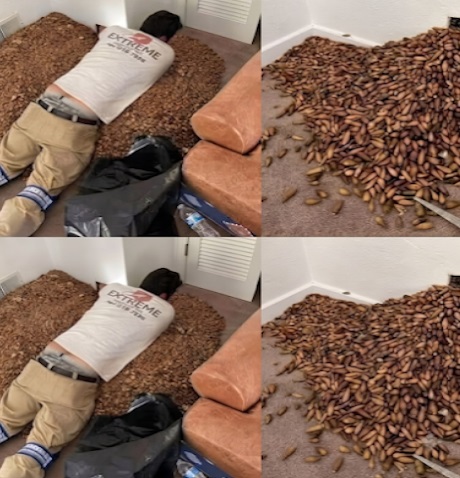
A Strange Smell Behind the Wall Revealed a Hidden Bee Hive
Sometimes, the source of a strange smell in a home isn’t something sitting in the kitchen or hiding behind the refrigerator. It may be coming from somewhere unexpected, such as inside a wall.
In one unusual home mystery, a persistent, sweet, musty odor reportedly led a homeowner to discover an old honeybee hive hidden behind drywall. What began as a frustrating search for the source of the smell turned into a surprising glimpse of a colony that had once made its home inside the house.
Although a hidden hive can be fascinating, it may also create problems if honeycomb, wax, and other hive material are left behind. Here’s what can cause these odors, what signs to look for, and how to handle a suspected hive safely.
Why Would a Bee Hive Be Hidden Inside a Wall?
Honeybees sometimes establish colonies inside protected cavities, including gaps within walls and other enclosed spaces. These areas can provide shelter from the weather and room for a colony to build its honeycomb.
If a colony eventually dies or leaves, parts of the hive may remain behind. Old honeycomb, beeswax, honey, and dead insects can accumulate inside the wall cavity.
Over time, these materials may contribute to an unpleasant odor, particularly if honey ferments or moisture affects the surrounding materials. Old honeycomb can also attract secondary pests, including ants and wax moths.
However, a strange smell alone cannot confirm that a hive is present. Plumbing leaks, mold, spoiled food, and other household problems can also cause persistent odors.
Signs There May Be a Hive in Your Walls
A few clues may justify further investigation:
- Persistent unusual odors: A sweet, musty, or fermented smell coming from one particular area.
- Bee activity outdoors: Bees repeatedly entering and leaving the same small opening in the exterior wall.
- Buzzing sounds: Activity within a wall may sometimes be audible, although buzzing alone does not identify the source.
- Unexplained stains: Dark or sticky marks on drywall can have several causes, but may warrant inspection if other signs are present.
None of these clues proves that a hive is hidden inside your home. If several occur together, a professional inspection can help determine what is happening.
What Should You Do If You Suspect a Hidden Hive?
1. Avoid opening the wall yourself. Do not cut into drywall, poke holes, or spray insecticide into a suspected hive. If bees are still active, disturbing the colony may increase the risk of stings or drive insects into the living space.
2. Contact a qualified professional. Look for an experienced bee-removal specialist or pest-control professional who can determine whether the colony is active and recommend an appropriate removal method.
3. Have the cavity cleaned if necessary. Removing live bees alone may not solve the problem. If old honeycomb and honey remain, they may attract pests or cause further damage, so proper cleanup is important.
4. Seal entry points after removal. Once the hive has been dealt with and the area is repaired, inspect exterior gaps, vents, and openings around utility lines. Seal suitable entry points to help prevent future colonies from settling there.
Is an Abandoned Bee Hive Dangerous?
- An abandoned hive generally does not present the same immediate stinging risk as an active colony. However, old honeycomb and honey can create other concerns.
- In warm conditions, honey and wax may soften or leak, potentially staining walls and attracting insects or rodents. The extent of the problem depends on the amount of hive material, the condition of the wall, and whether moisture is present.
- If you suspect a hive, avoid assuming that it is abandoned simply because you cannot hear buzzing. Let a qualified professional assess the situation before disturbing the wall.
Frequently Asked Questions
Can an old bee hive cause a strange smell?
Yes. Old honeycomb, fermenting honey, dead insects, and moisture-related problems can contribute to unpleasant odors. However, a smell by itself cannot establish that a hive is the cause.
How do bees get inside walls?
A swarm may enter through an opening in siding, brickwork, soffits, or gaps around other exterior features. A protected cavity can provide space for a colony to establish itself.
Will the smell disappear if the bees leave?
Not necessarily. If honeycomb, honey, or other hive material remains inside the wall, odors and pest problems may continue. An inspection can determine whether removal and cleanup are needed.
Can I remove the hive myself?
It is safer to avoid DIY removal, particularly when the colony’s status and location are unknown. A qualified professional can assess the risks and handle the removal and cleanup appropriately.
Should I call an exterminator or a bee-removal specialist?
Choose a professional experienced in dealing with bees inside structures. Ask whether their service includes removing the hive material and addressing the entry point, not just treating live insects.
Final Thoughts
A persistent, unexplained smell can be frustrating, especially when every obvious source seems to have been ruled out. In some cases, the answer may be hidden behind a wall, where a bee colony once established its home.
The important thing is to investigate carefully rather than jump to conclusions. If you notice repeated bee activity, unexplained odors, or other signs of a possible hidden hive, professional assessment is the safest next step.
Sometimes a home holds surprising secrets, but understanding the problem and handling it properly can help protect both the building and the people living inside it.