
Assassin Bugs: What You Need to Know About Bites and Chagas Disease
Summer brings plenty of insects, and assassin bugs are among the ones worth knowing about. Most assassin bugs are harmless predators that actually help control garden pests. However, a group known as kissing bugs can transmit Chagas disease.
The important thing is knowing the difference and understanding what to do after a suspected bite.
What Is an Assassin Bug?
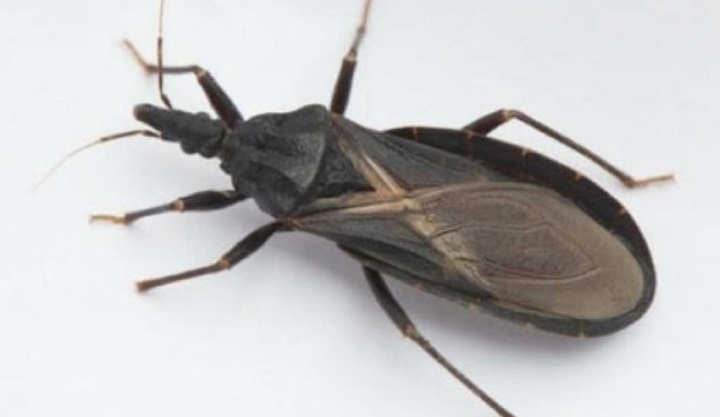
Assassin bugs belong to the Reduviidae family and are found throughout much of the United States. They can vary considerably in appearance, but many have elongated bodies and narrow, cone-shaped heads.
Kissing bugs are a specific group within this family that feed on blood and can transmit Trypanosoma cruzi, the parasite that causes Chagas disease.
Not every assassin bug is a kissing bug, and most assassin bugs do not transmit Chagas disease.
Why Kissing Bug Bites Matter
Kissing bugs typically feed at night. After feeding, an infected bug may leave parasite-containing feces near the bite.
If those feces enter the bite wound, eyes, mouth, or another mucous membrane, the parasite can enter the body.
Chagas disease can initially cause few or no symptoms. When symptoms occur, they may include:
- Fever
- Fatigue
- Headache
- Muscle or body aches
- Rash
- Swelling near the bite or around an eye
Years later, some untreated infections can lead to serious heart or digestive complications.
What to Do After a Suspected Bite
1. Clean the Area
Wash the bite gently with soap and water. Avoid scratching it, particularly if you are concerned that insect feces may have contacted the wound.
2. Don’t Handle the Insect
If you see the insect, don’t crush or handle it with your bare hands. If possible, take a clear photograph from a safe distance for identification.
3. Watch for Symptoms
Pay attention to unusual fever, fatigue, swelling, rash, or other symptoms after a suspected exposure.
4. Contact a Healthcare Professional
If you believe you were bitten by a kissing bug, especially after traveling or living in an area where Chagas disease occurs, discuss the exposure with a healthcare professional. They can determine whether testing is appropriate.
Seek emergency care for difficulty breathing, severe swelling, or other signs of a serious allergic reaction.
How to Recognize a Kissing Bug
Kissing bugs can have:
An elongated body
A cone-shaped head
Long antennae
Dark coloration with reddish or orange markings along the edges
Nocturnal behavior
However, identification can be difficult because several harmless insects look similar. A clear photograph can be much more useful than trying to identify the insect from memory.
How to Reduce Encounters
A few simple measures can make your home less attractive to these insects:
Seal cracks and gaps around doors and windows.
Repair damaged screens.
Keep woodpiles and debris away from the house.
Reduce unnecessary outdoor lighting at night.
Keep vegetation trimmed near the foundation.
Control rodents and other potential wildlife hosts.
Keep sleeping areas and pet bedding clean.
When traveling in areas where Chagas disease is more common, use appropriate insect repellent and choose accommodations with well-sealed windows and doors.
Frequently Asked Questions
Are all assassin bugs dangerous?
No. Most assassin bugs are predators that feed on other insects. Only certain kissing bug species are important vectors of Chagas disease.
Does finding a kissing bug mean I have Chagas disease?
No. Finding an insect does not mean you were bitten or infected. If you suspect a bite or have symptoms, speak with a healthcare professional.
Can Chagas disease be treated?
Yes. Antiparasitic medications can treat T. cruzi infection, and treatment is generally most effective when started early.
Can pets get Chagas disease?
Yes. Dogs and other mammals can become infected. If you are concerned about possible exposure, contact a veterinarian.
The Bottom Line
Assassin bugs deserve awareness, not panic.
Most are harmless, while certain kissing bugs can transmit Chagas disease. If you encounter a suspected kissing bug, avoid handling it, clean any bite with soap and water, document the insect if possible, and contact a healthcare professional if you believe you were exposed.
A little knowledge and a few practical precautions can help you enjoy the outdoors without unnecessary worry.