
A Calm Guide to What to Do When a Snake Gets Inside Your Home
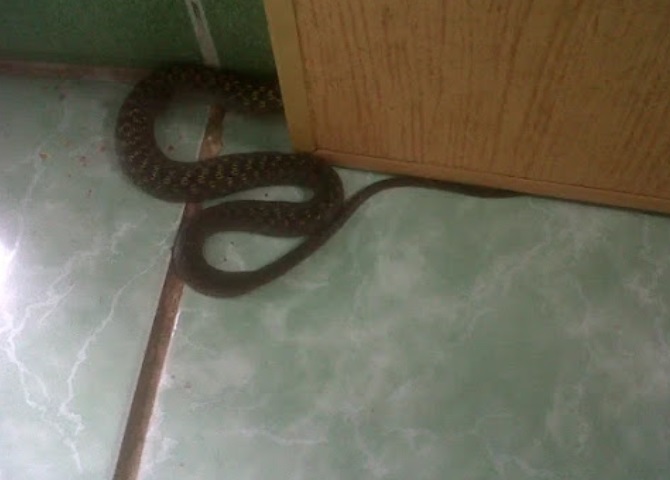
Finding a snake inside your home can turn an ordinary afternoon into a very unsettling surprise. One moment you’re walking through the kitchen, garage, bathroom, or bedroom, and the next you’re face-to-face with a visitor you definitely didn’t invite in.
Your first reaction might be to grab a broom, chase it toward the door, or try to get rid of it yourself. Don’t.
The safest thing you can do is create distance, keep everyone away from the area, and avoid making sudden attempts to handle the snake. Most snakes would rather escape than confront a person, but a frightened or cornered snake can defend itself quickly.
Whether the snake is harmless or potentially venomous, the basic approach is the same: stay calm, keep your distance, and get professional help if you’re unsure what to do.
What Should You Do First?
If you suddenly discover a snake indoors, don’t panic. Take a slow step backward and give the animal plenty of room.
Quick Safety Guide
Stay calm: Avoid sudden movements or attempts to frighten the snake.
Keep your distance: Keep children and pets away from the area.
Don’t touch it: Never try to pick up or restrain an unfamiliar snake.
Don’t corner it: A snake with no escape route may become defensive.
Close off the area: If you can safely leave the room, do so and close the door.
Call for help: Contact local animal control or a qualified wildlife-removal professional if necessary.
Important: Never assume a snake is harmless simply because it is small, motionless, or unfamiliar. If you cannot confidently identify the species, treat it cautiously.
Why Do Snakes Come Inside Houses?
Snakes generally aren’t entering a home because they’re looking for people. They’re usually following basic survival needs such as food, shelter, water, or a comfortable temperature.
Food
A home with mice or other small prey can unintentionally become attractive to snakes. If you’ve noticed signs of rodents around your garage, attic, basement, or walls, that may be part of the reason a snake appeared.
Shelter
Garages, sheds, crawl spaces, basements, woodpiles, and cluttered storage areas can provide quiet places for snakes to hide.
Temperature
Snakes are ectothermic, meaning their body temperature is influenced by their surroundings. Depending on the season, they may seek warmer or cooler sheltered areas.
Water
Damp crawl spaces, leaking plumbing, pet water bowls, and other sources of moisture can sometimes make an area more appealing.
6 Steps to Safely Handle a Snake Indoors
1. Stay Calm
Seeing a snake unexpectedly can trigger an immediate fear response, but rushing toward it is exactly what you want to avoid.
Take a breath and slowly move away.
Remember that the snake is likely startled by you as well. It may simply be looking for a way out.
2. Keep Your Distance
Give the snake plenty of space and keep children and pets out of the area.
Dogs and cats are especially likely to chase or attack an unfamiliar animal, which can turn a manageable situation into a dangerous one.
Don’t approach the snake simply to get a better look.
3. Never Try to Pick It Up
This is one of the most important rules.
Don’t attempt to grab the snake with your hands, a broom, shovel, or other household object. Even a snake that appears calm can react defensively when approached.
If you’re not completely certain what species you’re dealing with, there is no good reason to take that risk.
4. Don’t Corner It
A snake that feels trapped may become defensive.
If possible, give it an open path away from people rather than surrounding it or blocking every direction it could travel.
If the snake is in a room and you can safely leave without approaching it, move out and close the door from a safe position.
This can keep the animal contained while you arrange professional assistance.
5. Let It Leave If You Can Do So Safely
If the snake is close to an exterior door and you can open the door without approaching or disturbing the animal, an open exit may give it the opportunity to leave on its own.
Don’t try to herd it toward the door.
Don’t chase it with a broom.
Don’t throw objects at it.
Simply reducing the disturbance and giving it space is often the safest option.
6. Contact a Professional When Necessary
If the snake remains inside, is located somewhere difficult to access, or may be venomous, contact a qualified professional.
Depending on where you live, possible options include:
Local animal control
Licensed wildlife-removal professionals
Local wildlife agencies
Non-emergency authorities if there is an immediate public safety concern
If you can safely photograph the snake without getting closer, a clear photo may help a professional identify it.
How to Keep Snakes From Coming Back
Once the snake has been safely removed, take a little time to look for whatever may have attracted it.
Seal Potential Entry Points
Inspect around doors, foundations, vents, pipes, and other openings. Repair damaged screens and seal gaps where appropriate.
Reduce Rodent Activity
Store food and garbage securely, avoid leaving pet food outside, and address signs of mice or rats.
Clear Yard Clutter
Move woodpiles away from the house when practical and reduce piles of leaves, debris, and dense vegetation close to the foundation.
Manage Moisture
Repair leaks and improve drainage around the home. Damp areas can attract insects and other animals that may become part of a snake’s food supply.
Keep Garages and Sheds Closed
Don’t leave garage, shed, or basement doors open unnecessarily. Check weather stripping around doors for gaps.
Frequently Asked Questions
What if I find a snake in the toilet?
Stay calm and keep the bathroom area isolated. Don’t reach into the toilet or attempt to handle the snake yourself. Close the bathroom door if possible and contact an appropriate professional for advice or removal.
What if I think there is a snake inside a wall?
Don’t start cutting into the wall. What sounds like movement could potentially be another animal or even a plumbing or structural noise.
If you’re confident a snake is present, contact a wildlife professional who can determine the safest way to locate and remove it.
Are all snakes dangerous?
No. Many snake species are nonvenomous and play an important role in controlling rodents and other pests.
However, an unfamiliar snake should still be treated cautiously until it has been properly identified.
What should I do if someone is bitten?
If a person may have been bitten by a venomous snake, seek emergency medical care immediately. Keep the person as still and calm as possible and avoid cutting the wound, sucking out venom, or applying a tourniquet.
Remove rings, watches, or other tight items near the affected area in case swelling develops.
For a pet, contact an emergency veterinarian immediately and keep the animal as calm and still as possible while transporting it for care.
Should I use commercial snake repellents?
Physical exclusion is generally a much better long-term strategy than relying on products intended to repel snakes. Focus on sealing openings, reducing rodent activity, and removing hiding places around the home.
Avoid scattering substances such as mothballs around your property, particularly where children or pets could encounter them.
Your Simple Action Plan
If You See a Snake Right Now
Stop and stay calm.
Back away slowly.
Keep children and pets away.
Don’t touch, chase, or corner the snake.
Leave the area and close the door if you can do so safely.
Call a qualified professional if the snake doesn’t leave or you can’t safely manage the situation.
After the Snake Is Gone
Check for gaps around doors and foundations.
Look for signs of rodents.
Remove clutter and potential hiding places.
Keep grass and vegetation managed near the home.
Keep garage and shed doors closed.
Consider having a professional inspect recurring entry problems.
A Calmer Way to Think About Snake Encounters
It’s completely understandable to feel frightened when you discover a snake in your home. But fear doesn’t have to determine what you do next.
A snake isn’t deliberately trying to frighten you or invade your personal space. It’s an animal responding to its surroundings and looking for food, shelter, water, or a way to move through its environment.
The safest response is simple:
Create distance.
Protect children and pets.
Don’t handle the snake.
Give it space.
Get professional help when needed.
That approach protects you while also avoiding unnecessary harm to the animal.
The Bottom Line
Finding a snake indoors can be startling, but you don’t need to turn the situation into a confrontation.
Stay calm, back away, keep people and pets clear, and never attempt to handle an unfamiliar snake. If it doesn’t leave safely or you suspect it may be venomous, contact a qualified wildlife professional.
And once the immediate problem is over, focus on prevention: seal openings, control rodents, reduce clutter, and keep potential hiding places away from the house.
A little preparation can make the next unexpected visitor much easier to handle.