
A Practical Guide to Saving Stale Bread
We’ve all been there: a loaf of bread sitting on the counter, hard and dry, and you wonder whether it should go in the trash. The good news is that stale bread is usually safe to eat as long as it has no mold or unusual smell.
Staleness is mainly a texture change caused by the way the starches in bread change over time. Instead of throwing the loaf away, you can revive it or turn it into something delicious.
Stale Bread: Quick Guide
- Is stale bread safe? Yes, if it is dry and completely free of mold.
- What causes staleness? Changes in the bread’s starches as it ages.
- What if there is mold? Discard the entire loaf.
- Best way to revive it: Add a little moisture and warm it in the oven.
- Best uses: Croutons, breadcrumbs, French toast, bread pudding, and panzanella.
- Best storage: Freeze bread you won’t use soon.
Stale vs. Moldy Bread
- A hard or dry loaf isn’t necessarily spoiled. If the bread simply feels firm or chewy but looks and smells normal, it can usually be used safely.
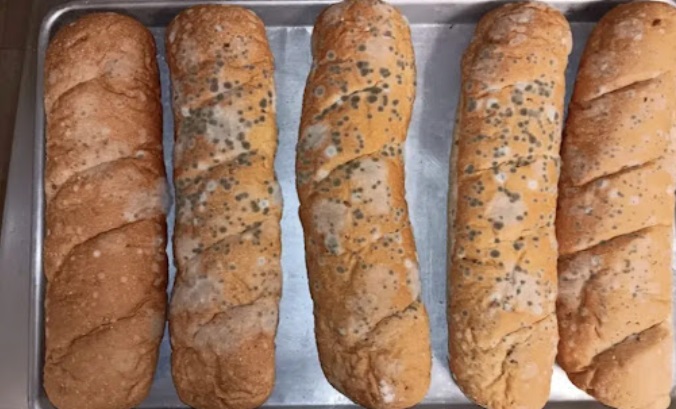
- Mold is different. If you see fuzzy green, blue, white, or black spots, discard the entire loaf rather than cutting away the affected area. Because bread is porous, mold can spread below the surface where you can’t see it.
- An unusual or unpleasant smell is also a good reason to throw the bread away.
How to Revive Stale Bread
If your bread is stale but mold-free, the oven can bring some of its softness back.
Preheat the oven to 350°F (175°C).
Lightly dampen the outside of the loaf with water.
Wrap it in aluminum foil.
Bake for 10–15 minutes.
Remove the foil during the final few minutes if you want a crispier crust.
For individual slices, simply toast them. Stale bread often makes excellent toast because its drier texture becomes wonderfully crisp.
5 Easy Ways to Use Stale Bread
1. Homemade Breadcrumbs
Tear the bread into pieces and pulse it in a food processor. Use the crumbs for meatballs, meatloaf, chicken, casseroles, or crispy toppings.
2. Croutons
Cut the bread into cubes, toss with a little olive oil and seasoning, and bake at 375°F (190°C) until golden and crunchy.
3. French Toast
Stale bread is actually ideal for French toast because it absorbs the egg-and-milk mixture without becoming too soft or falling apart.
4. Bread Pudding
Dry bread soaks up custard beautifully, making it perfect for a warm, comforting bread pudding.
5. Panzanella
Use chunks of stale bread in this classic Italian salad with tomatoes, cucumber, onion, basil, olive oil, and vinegar. The bread absorbs the flavorful juices while keeping some texture.
How to Store Bread Properly
- If you know you won’t finish a loaf within a few days, freezing is usually the better option than refrigerating.
- Slice the bread first, place it in a well-sealed freezer bag, and freeze it. Individual slices can go directly into the toaster when you’re ready to use them.
- The refrigerator can make bread stale faster because cool temperatures encourage changes in the starch structure.
Frequently Asked Questions
Can I eat bread after the “best by” date?
Usually, yes, provided it has been stored properly and has no mold, strange smell, or other signs of spoilage. A date on the package doesn’t automatically mean the bread is unsafe.
Can I cut mold off bread?
No. With porous foods such as bread, visible mold may extend beneath the surface. The safest choice is to discard the loaf.
Can toasting make moldy bread safe?
No. Don’t try to make moldy bread safe by heating or toasting it.
Can I freeze stale bread?
Yes. Freezing can preserve it for later use, although it won’t make already-stale bread fresh again by itself. For the best results, use it for breadcrumbs, croutons, or another recipe.
The Bottom Line
Stale bread doesn’t have to mean wasted bread. If it’s simply dry and firm, you can
revive it,
toast it, or
turn it into breadcrumbs, croutons, French toast, or bread pudding.
But when you see mold, don’t take chances—
discard the entire loaf.
A little creativity can turn yesterday’s bread into something worth putting on the table again.