
Unexplained Bruises: Common Causes and When to See a Doctor
Bruises are common. Sometimes they appear after a small bump that you don’t remember, while other times the cause isn’t immediately obvious.
Most occasional bruises are not serious and gradually fade as the body reabsorbs the blood under the skin. However, bruising that happens frequently, becomes unusually large, or appears together with other symptoms deserves attention.
Why Do Bruises Appear?
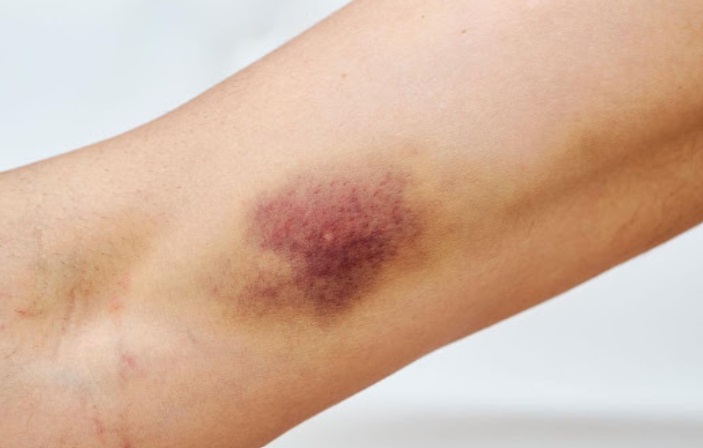
A bruise forms when small blood vessels under the skin are damaged and leak a small amount of blood into surrounding tissue. As the body breaks down and clears the blood, the bruise may change from purple or blue to green, yellow, or brown before fading.
Some common reasons people may bruise more easily include:
- Age-related skin changes: Skin can become thinner and lose some of its protective fatty tissue.
- Medications: Certain blood thinners, aspirin, corticosteroids, and some anti-inflammatory medicines can increase bruising.
- Sun exposure: Long-term sun damage can make the skin thinner and more fragile.
- Nutritional deficiencies: In some cases, deficiencies involving nutrients such as vitamin C or vitamin K may contribute to bruising.
- Minor injuries: Small bumps or pressure may cause bruising without being memorable.
When Should You Talk to a Doctor?
An occasional unexplained bruise is usually not a reason to panic. However, make an appointment with a healthcare professional if you notice:
Bruises appearing frequently without an obvious cause
Bruises that are unusually large or painful
Bruising that suddenly becomes much more common
Frequent nosebleeds or bleeding gums
Bleeding that takes unusually long to stop
Numerous tiny red or purple spots on the skin
Persistent or unexplained tiredness
Unexplained weight loss
Repeated infections or swollen lymph nodes
These symptoms can have many different causes, so they do not automatically indicate a serious illness. A healthcare professional can evaluate your symptoms and decide whether blood tests or other examinations are appropriate.
What Can You Do About a Bruise?
For a recent bruise, a cold pack wrapped in a towel can be applied for about 10–15 minutes at a time during the first day or two. Avoid placing ice directly against the skin.
After the initial swelling has settled, gentle warmth may feel soothing.
If you take prescription medication that may increase bruising, do not stop taking it on your own. Speak with your doctor or pharmacist if you are concerned about side effects.
Keep Track of Unexplained Bruises
If you are getting bruises repeatedly, it can be helpful to:
Take a clear photo
Note when you first noticed the bruise
Record its approximate size
Write down whether it is painful
Note any other unusual symptoms
This information can make it easier for your healthcare professional to understand what is happening.
Frequently Asked Questions
Are unexplained bruises always a sign of something serious?
No. Bruises can have many ordinary causes, including minor injuries, medications, skin changes, and nutritional factors. Persistent or unusual bruising should still be discussed with a healthcare professional.
Can medications cause bruising?
Yes. Some medicines can make bruising more likely. If you think a medication may be responsible, talk with your doctor before making any changes.
How long does a bruise usually take to disappear?
Many ordinary bruises gradually fade over one to two weeks, although larger or deeper bruises can take longer.
Should I worry about one unexplained bruise?
Usually, one isolated bruise is not a reason to panic. Pay attention to whether bruises continue appearing or are accompanied by other symptoms.
The Bottom Line
An unexplained bruise does not automatically mean that something is seriously wrong. There are many common reasons a bruise can appear without a clearly remembered injury.
However, frequent, unusually large, or persistent bruising should not be ignored. If you notice a pattern or other unexplained symptoms, a healthcare professional can help determine the cause.
This article is for general informational purposes and is not a substitute for professional medical advice, diagnosis, or treatment.