
Pantry Moths: How to Get Rid of Them and Keep Them Away
Finding tiny moths flying around your kitchen can be frustrating, especially when you discover webbing inside a bag of rice, flour, cereal, or nuts.
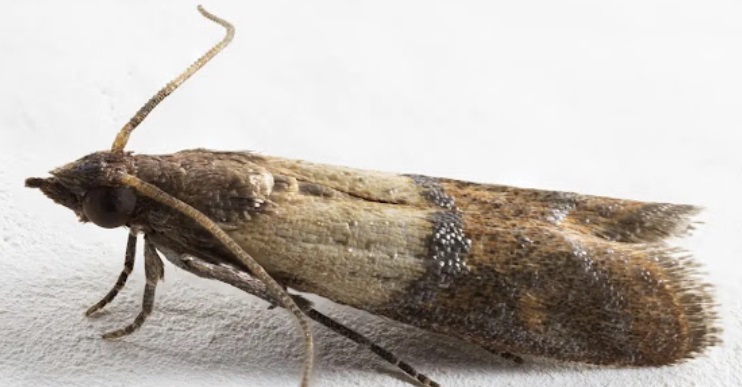
Pantry moths, including Indian meal moths, are common household pests. They can enter homes through infested food products, and an infestation is not necessarily a sign of poor cleanliness.
The good news is that a careful inspection, thorough cleaning, and proper food storage can help bring the problem under control.
How to Tell If You Have Pantry Moths
Common signs include:
Small moths flying around the kitchen or pantry
Fine webbing inside food packages
Clumped grains, flour, or cereal
Small pale larvae
Cocoons or pupae around cabinet corners and cracks
If you notice these signs, inspect nearby dry foods carefully.
Step 1: Empty and Inspect the Pantry
Remove the food from your pantry or cabinets and inspect dry goods individually.
Pay particular attention to:
Rice and flour
Cereal and pasta
Nuts and seeds
Dried fruit
Baking ingredients
Pet food and birdseed
Check both opened and unopened packages. Look for webbing, larvae, damaged packaging, or other unusual signs.
Step 2: Discard Infested Food
If food clearly contains larvae, webbing, or other signs of infestation, place it in a sealed garbage bag and remove it from the home.
Avoid keeping questionable food simply because the package looks mostly intact. When you’re unsure whether a product has been contaminated, replacing it is the safer option.
Step 3: Clean the Pantry Thoroughly
After removing the food:
Vacuum shelves, corners, cracks, hinges, and cabinet seams.
Empty the vacuum afterward so insects cannot remain inside.
Wash surfaces with warm, soapy water.
Allow everything to dry completely before putting food back.
Pay special attention to hidden corners where larvae or cocoons may be present.
Step 4: Store Dry Foods in Airtight Containers
Once the pantry is clean, transfer susceptible foods into sturdy airtight containers made from glass or durable plastic.
This can help prevent insects from spreading between food products and makes future inspections much easier.
Keep older products toward the front and use them first.
Step 5: Use Pantry Moth Traps for Monitoring
Pheromone traps can be useful for monitoring adult pantry moth activity.
They primarily attract male moths, so they should not be considered a complete solution by themselves. Continue inspecting and cleaning the pantry even when a trap catches moths.
Follow the manufacturer’s instructions for placement and replacement.
How to Prevent Pantry Moths
A few simple habits can reduce the chance of another infestation:
Store dry foods in airtight containers.
Clean spills and food residue promptly.
Check bulk foods carefully before storing them.
Avoid leaving pet food or birdseed exposed.
Regularly inspect older pantry items.
Keep pantry shelves clean and dry.
If you frequently buy food in bulk, storing new dry goods securely can make any future infestation easier to identify and contain.
Frequently Asked Questions
Are pantry moths a sign of a dirty kitchen?
Not necessarily. Pantry moths can arrive with infested food products, so even a clean kitchen can experience an infestation.
Can pantry moths get into unopened packages?
Yes. Some food packaging may not provide a complete barrier against pantry pests. Inspect packages carefully when you notice an infestation.
Should I throw away food with webbing?
Yes. Food showing clear signs of infestation, such as larvae or webbing, should generally be discarded.
Do pantry moth traps get rid of an infestation?
Traps can help monitor adult moth activity, but they do not remove eggs or larvae hidden in food. Inspection, disposal of infested products, and thorough cleaning are important parts of controlling the problem.
How long does it take to get rid of pantry moths?
It can take several weeks to fully control an infestation because different stages of the insect’s life cycle may remain after the initial cleaning. Continue monitoring the pantry and inspecting food for signs of activity.
The Bottom Line
Pantry moths can be an unpleasant surprise, but they are a common household pest and are not necessarily related to poor hygiene.
The most effective approach is simple:
Find the source, discard infested food, clean the pantry thoroughly, store dry goods in airtight containers, and monitor for continued activity.
With consistent cleaning and proper storage, you can greatly reduce the chance of pantry moths returning.