
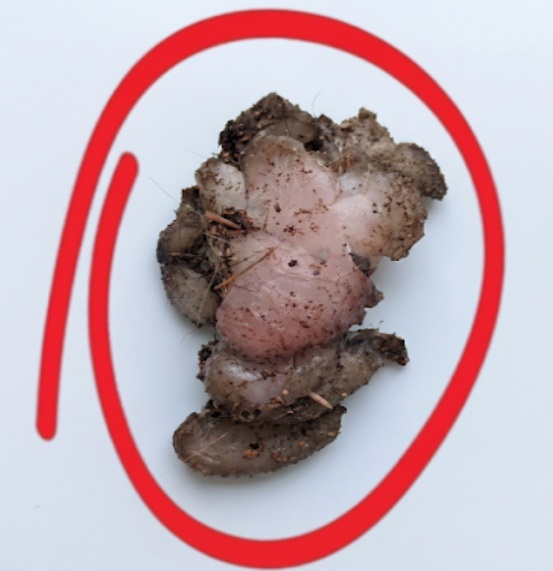
Found Something Strange Under Your Furniture? Here’s How to Handle It Calmly
Have you ever moved a piece of furniture while cleaning and discovered a small, unfamiliar object tucked away underneath? It might be dusty, oddly shaped, or something you cannot immediately identify. For a moment, you may wonder how it got there or how long it has been hiding in that corner.
Finding something unexpected at home can certainly spark curiosity. Sometimes the explanation is simple: an item rolled out of sight, a small piece broke off something, or an object was left behind during an earlier cleanup. Other times, you may need a little more information before you know what you have found.
Rather than jumping to conclusions, take a moment to examine the object carefully and consider the possibilities. A calm, practical approach can help you work out what to do next without creating unnecessary worry.
What Could the Mystery Object Be?
Small objects can disappear under beds, sofas, wardrobes, and cabinets surprisingly easily. Here are a few common possibilities to consider.
1. A Forgotten Personal Item
Sometimes, the object is simply something that has been missing for a while.
It could be a childhood toy, a hair clip, a small piece of costume jewelry, a souvenir, or a smooth stone collected during a walk. Items like these can remain out of sight for months or even years, especially when they slip behind heavy furniture.
If the object looks familiar, think about where it might have come from and whether anyone in the household recognizes it.
2. A Small Everyday Item
Buttons, pen caps, earring backs, loose screws, and other small household items can easily end up in forgotten corners.
Some objects may have fallen from clothing, bags, desks, or furniture. Others may have come loose from an item that was moved or repaired.
Check the nearby area for anything that appears incomplete or damaged. A missing button or loose furniture fitting, for example, may offer a useful clue.
3. A Piece From a Craft or Hobby Project
If someone in the household enjoys sewing, crafting, building models, or making jewelry, the object could be a leftover project piece.
It might be a bead, a short length of ribbon, a small plastic component, or a scrap of fabric. These items can be difficult to identify without knowing what projects have recently been underway.
If you are unsure, asking whether anyone recognizes the object may be more useful than guessing.
4. Something From Outdoors
Not everything found beneath furniture originally came from inside the house.
A dried leaf, seed, small twig, or pebble may have been carried indoors on shoes, clothing, bags, or a pet’s fur. Decorative natural objects can also get misplaced.
If the item appears organic, damp, moldy, or potentially contaminated, avoid handling it directly until you can identify it more confidently.
What Should You Do When You Find Something Unfamiliar?
A simple step-by-step approach can help you decide how to handle an unexpected discovery.
Step 1: Pause Before Making Assumptions
Give yourself a moment to look at the object objectively. An unfamiliar appearance does not automatically mean something is wrong, but there is no need to decide what it is before you have enough information.
Focus on what you can actually observe rather than on explanations you cannot yet confirm.
Step 2: Look for Identifying Details
If it appears safe to handle, examine the object without taking it apart.
Ask yourself:
Is there a brand name, label, number, or other marking?
What material does it appear to be made from?
Does it look like part of a larger item?
Is it broken, worn, or covered in residue?
Is there anything nearby that might explain where it came from?
If the object has sharp edges, exposed wires, an unknown powder, or another potentially hazardous feature, do not handle it casually. Keep children and pets away while you determine the safest next step.
Step 3: Consider the Surrounding Area
The location where an object is found may provide useful clues.
For example, a small screw beneath a cabinet could be related to furniture hardware, while a bead near a sewing area might have come from a craft project. These are possibilities, not proof, so look for supporting evidence before reaching a conclusion.
Step 4: Ask Someone Who Might Recognize It
If you share your home with family members or a partner, consider asking whether they recognize the object.
A simple, neutral question can open the conversation without making anyone feel accused.
You might say, “I found this while cleaning under the wardrobe. Do you recognize it?”
There is no need to turn an ordinary question into a confrontation. If nobody recognizes the object, you can continue investigating based on what it actually is.
Step 5: Decide What to Do With It
Once you have a better idea of what the object might be, choose the appropriate next step.
- If it is an ordinary, harmless item, you can return it to its owner or put it away.
- If it is broken or no longer useful, dispose of it according to the material and any relevant safety guidance.
- If it is potentially valuable, keep it somewhere safe while you try to identify it.
- If it appears hazardous or remains impossible to identify safely, avoid further handling and seek appropriate professional advice.
What If You Still Don’t Know What It Is?
Not every object has an obvious explanation. Sometimes, you may need a photograph, a closer look from someone familiar with the item, or help from a relevant professional.
If you want help identifying it, take a clear photograph from several angles, provided you can do so safely. Include a familiar object nearby for scale, but avoid touching or moving anything that might be dangerous.
The material, size, markings, shape, and location can all help narrow down the possibilities. Still, a photograph may not be enough to identify every unfamiliar object with certainty.
The important thing is to avoid inventing an explanation simply because you want the mystery solved quickly.
How to Talk About an Unexpected Discovery Without Creating Tension
- Finding an unfamiliar object in a shared home can sometimes raise questions, especially when you do not know who it belongs to.
- In that situation, it helps to separate the discovery from any assumptions about what it means.
- Start with the facts: you found something, you do not recognize it, and you would like to understand what it is. A neutral question gives the other person an opportunity to offer information without feeling immediately judged.
- If the discovery genuinely concerns you, explain your concern clearly and calmly. Listen to the response, and consider the available facts rather than treating uncertainty itself as evidence of wrongdoing.
- One unexplained object rarely tells a complete story. If there are broader concerns in a relationship or household, address those concerns directly rather than expecting one small object to answer every question.
Frequently Asked Questions
What are common objects found under furniture?
Common examples include buttons, coins, pen caps, hair accessories, beads, screws, small toys, and items that have fallen out of pockets or bags. The possibilities depend on the room and the people who use it.
Why do small objects collect under beds and wardrobes?
Small items can roll, slide, or fall into spaces that are difficult to see and reach. Dust and clutter can also make them less noticeable during routine cleaning.
Should I pick up an unfamiliar object?
Only if it appears safe to handle. Avoid touching objects with sharp edges, exposed electrical components, unknown powders, suspicious residue, or other potentially hazardous features until you know more about them.
What if nobody recognizes the object?
You can photograph it, look for identifying markings, and seek help from someone familiar with that type of item. If it cannot be identified safely, leave it alone and consider professional advice.
Should finding a strange object make me suspicious of someone?
Not by itself. An unfamiliar object does not establish who placed it there or why. Start with observable facts and ask neutral questions before drawing conclusions.
What is the best way to identify an unusual object?
Examine its shape, material, markings, condition, and surroundings if it is safe to do so. Clear photographs may also help someone identify it, although some objects require specialist assessment.
Final Thoughts
Discovering a strange little object beneath a piece of furniture can be an unexpected moment during an otherwise ordinary day. It may turn out to be a forgotten keepsake, a loose household part, a craft supply, or something that needs closer inspection.
The best approach is to stay curious, gather the information you can, and avoid jumping to conclusions. If the item appears safe, a careful examination and a simple question may be enough to solve the mystery.
And if you cannot identify it right away, that is fine too. Not every discovery needs an immediate answer. Sometimes, the most sensible next step is simply to investigate carefully, deal with any genuine safety concerns, and move on once you know what to do.