
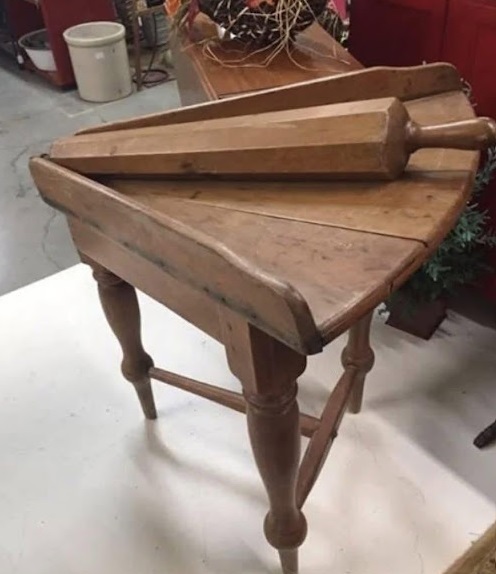
The Vintage Butter Worker: A Forgotten Piece of Kitchen History
There is something special about the old tools that once filled a farmhouse kitchen. A wooden butter worker might look simple at first glance, but for many families, it represented hours of patient work, homemade meals, and a tradition passed down through generations.
Before electric mixers and modern kitchen appliances became common, making butter was often part of everyday farm life. After cream was churned, the butter needed a little more attention before it was ready for the table. That is where the butter worker came in.
Today, these vintage wooden tools offer a glimpse into a time when food preparation moved at a slower pace. Their worn surfaces and carefully shaped grooves tell a story of practical craftsmanship and the people who relied on them.
What Was a Butter Worker?
- A butter worker was a traditional kitchen tool used after churning cream into butter. Depending on its design, it could feature a ridged wooden roller, a flat working surface, or another simple mechanism for pressing and kneading the butter.
- The purpose was to work the fresh butter and help remove excess buttermilk. This step improved the butter’s texture and helped it keep better quality during storage.
- Traditional butter-making required patience. The cream had to be churned until the butter separated, then the butter was gathered, washed or worked as needed, and sometimes salted according to household preference.
- Although designs varied from one household to another, the butter worker served a practical purpose: helping turn freshly churned butter into a product ready for everyday use.
Why Removing Excess Buttermilk Matters
- Freshly churned butter contains some moisture and may retain small amounts of buttermilk. Working the butter helps release excess liquid and distribute the remaining moisture more evenly.
- This matters because excess buttermilk can affect the butter’s flavor, texture, and keeping quality. Removing it was an important part of traditional butter preparation.
- Salt was also sometimes added for flavor and to help with preservation. However, salt and working the butter do not make homemade butter automatically safe to store at room temperature. Homemade butter should be handled hygienically and refrigerated, unless it has been prepared using a reliable method specifically designed for shelf-stable storage.
- These simple steps show how traditional kitchen practices often developed around practical experience. Families learned which methods helped their food taste better and last longer.
The Natural Golden Color of Homemade Butter
- Have you ever noticed that some butter looks pale yellow while other butter has a deeper golden color?
- One reason is the cows’ diet. Milk from cows eating fresh pasture can contain different levels of natural pigments called carotenoids. These pigments can contribute to the yellow color of the resulting butter.
- The shade can vary with the season, the animals’ feed, and other factors. Butter made from cream produced at different times of the year may therefore look slightly different.
- Historically, some butter-makers also used coloring methods to create a more consistent appearance. The color itself, however, does not reliably tell you how nutritious a particular butter is.
- That golden shade can still be part of what makes traditional butter so appealing. It connects the finished product to the cream, the animals, and the work involved in making it.
A Simple Modern Recipe: Herb and Avocado Butter
- If you enjoy the spirit of traditional butter-making, this easy herb and avocado spread is a modern variation worth trying. The avocado gives the mixture a softer texture, while fresh herbs add a bright, savory flavor.
- This is a flavored butter-style spread rather than a traditional preservation method, so it should be kept refrigerated.
Ingredients
- ½ cup (1 stick) unsalted butter, softened
- ¼ ripe avocado, mashed until smooth
- 1 tablespoon finely chopped fresh herbs, such as chives, parsley, or dill
- A small pinch of flaky sea salt, to taste
Directions
- Place the softened butter and mashed avocado in a small bowl.
- Mash and stir with a fork until the mixture is smooth and evenly combined.
- Fold in the chopped herbs and salt.
- Taste and adjust the seasoning if needed.
- Serve immediately, or transfer to a covered container and refrigerate.
Ways to Serve It
- Spread a little over warm bread, add a small amount to freshly cooked vegetables, or let it melt over grilled fish. It also makes a flavorful addition to baked potatoes.
- Because this mixture contains fresh avocado and herbs, keep it refrigerated and use it promptly. Discard it if it develops an unusual smell, appearance, or signs of spoilage.
How to Care for a Vintage Wooden Butter Worker
If you find a butter worker at an antique shop, flea market, or family estate sale, take a moment to examine it before bringing it home.
Look for the following details:
Wood condition: Check for deep cracks, loose pieces, or significant damage.
Surface wear: Darkened areas and worn grooves may reflect years of use, but they do not establish the tool’s age by themselves.
Construction: Look at the roller, handle, and working surface to understand how the tool was designed to function.
Signs of pests or moisture: Avoid bringing home a piece with active insect damage, mold, or persistent dampness.
If you intend to display the tool, gentle cleaning appropriate for its condition may be enough. If you hope to use it with food, be more cautious. Old wood can contain cracks, residues, or contamination that are difficult to remove completely. Unless its food-safe condition can be established, using it as a decorative piece is the safer choice.
Why These Old Kitchen Tools Still Matter
A butter worker was more than a decorative object. It was part of the practical work that kept a household running.
In many farming communities, preparing butter meant turning fresh cream into a useful food for the family. The process took time, and the tools had to be cleaned, stored, and cared for between uses.
Today, modern appliances can make similar tasks easier, but vintage tools remain interesting reminders of how everyday work was once done. They also help preserve knowledge about traditional food preparation and the craftsmanship behind ordinary household objects.
For people who remember seeing these tools in a parent’s or grandparent’s kitchen, they may carry personal memories as well. A familiar wooden handle can bring to mind a family kitchen, a farm table, or the sight of someone preparing food by hand.
Frequently Asked Questions
What was a butter worker used for?
A butter worker was used after churning to press and knead butter, helping remove excess buttermilk and improve its texture.
Is a butter worker the same as a butter churn?
No. A butter churn is used to agitate cream until the butter separates from the liquid. A butter worker is generally used afterward to work the butter.
Why did people add salt to homemade butter?
Salt adds flavor and can help improve keeping quality. However, it does not replace clean preparation, appropriate refrigeration, or safe food-handling practices.
Can homemade butter be stored outside the refrigerator?
Fresh homemade butter should generally be refrigerated. Removing excess liquid and adding salt do not guarantee that it is safe to store at room temperature.
Why is some butter more yellow than other butter?
The color can depend on natural pigments in the cream, including carotenoids influenced by the cows’ diet. Color alone is not a reliable measure of nutritional quality.
Can I use an antique butter worker to make butter today?
Possibly, but only if its condition and cleanliness make it suitable for food contact. Old wooden tools with cracks, damaged surfaces, or uncertain contamination may be better kept for display.
How can I tell how old a butter worker is?
Its design, materials, construction, and any maker’s marks may offer clues. Appearance alone cannot establish an exact date, so a knowledgeable antiques specialist may be able to help.
Final Thoughts
The vintage butter worker reminds us that some of the most meaningful objects in a kitchen were made for ordinary, everyday tasks. Its wooden grooves and simple construction reflect a time when preparing food often involved more hands-on work.
Whether you remember one from a family farmhouse or have recently spotted one in an antique shop, it is worth appreciating the practical skill behind it. These tools connect us with earlier generations and offer a small window into the routines that shaped their kitchens.
Modern appliances may save time, but the history of traditional kitchen tools still has plenty to teach us about craftsmanship, food preparation, and the everyday objects that become part of family stories.