
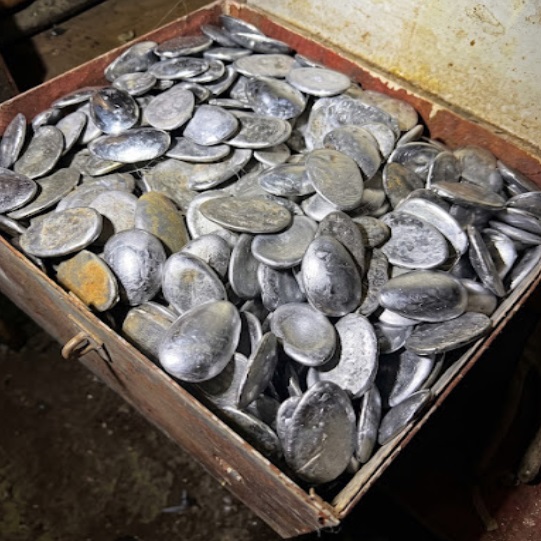
Can You Identify This Old Tool?
Some of the most ordinary-looking objects from the past can be surprisingly difficult to identify today.
You might find an old metal tool in a drawer, workshop, barn, or box of antiques and wonder what it was actually designed to do. Before electric appliances and modern power tools became common, people relied on simple mechanical tools made for very specific jobs.
That is what makes old-tool mysteries so interesting. A strange curve, unusual handle, hook, groove, or moving part often had a practical purpose.
Look Closely at the Details
When trying to identify an old tool, don’t focus only on its overall shape. The smallest details can provide the best clues.
Look at the handle first. Was it designed for one hand or two? Does it provide extra leverage? Is it made from wood, metal, or another material?
Then examine the working end. Look for:
Hooks or curved ends
Blades or teeth
Grooves and holes
Clamps or moving jaws
Springs and hinges
Flat or pointed edges
Threaded sections or attachment points
These features can reveal whether the tool was designed for cutting, gripping, bending, scraping, punching, holding, or applying pressure.
Check for Moving Parts
A hinge, spring, sliding piece, or rotating mechanism can tell you a lot.
Carefully observe which parts move together. A tool with moving jaws might have been designed to grip or squeeze something, while a hinged cutting edge could indicate a specialized cutting job.
If the tool is rusty or fragile, don’t force the mechanism. Document it first.
Look for Markings
Turn the tool over and check every surface for clues.
You may find:
A manufacturer name
Logo or initials
Patent number
Model number
Country-of-origin mark
Engraved letters or numbers
A patent number or manufacturer’s mark can sometimes be matched with old catalogs, advertisements, or historical records.
Don’t Ignore Wear Marks
Years of use can leave behind useful evidence.
Look for polished areas on the handle, scratches around a jaw, worn edges, or uneven marks on the working end. These signs can help show which part of the tool was actually used and what kind of material it may have contacted.
The place where you found the tool matters, too. A kitchen drawer, sewing room, barn, woodworking bench, and automobile garage all suggest very different possibilities.
It May Have Had a Very Specific Purpose
Many old tools were designed for one narrow task rather than general use.
They could have been made for:
Leatherworking
Shoemaking
Woodworking
Metalworking
Farming
Gardening
Sewing
Cooking
Machinery repair
Automotive work
Construction
A tool that looks completely strange today may have been perfectly ordinary to someone who worked in that trade.
Instead of asking, “What would I use this for today?”, try asking:
“What problem did this tool solve when it was made?”
That change in perspective can make identification much easier.
Could It Be Part of Something Larger?
Not every unusual metal object was a complete tool.
Some were attachments, replacement parts, machine components, gauges, inserts, or accessories.
Look for holes, threads, mounting points, notches, or flat surfaces that suggest the object was designed to connect to something else.
A Simple Way to Identify an Old Tool
If you have a mystery tool at home, try this process:
Photograph it from several angles. Include the underside and working end.
Write down every marking. Even small numbers or symbols may matter.
Measure it. Record its length, width, and unusual dimensions.
Identify the materials. Note whether it is steel, iron, brass, wood, or a combination.
Consider where it was found. The setting can narrow down its possible purpose.
Compare it with historical references. Vintage catalogs, museum collections, patent records, and antique-tool references can be useful.
Avoid aggressively cleaning an unidentified antique before documenting it. Rust and dirt may hide important markings, while cleaning can sometimes remove original finishes.
Why Old Tools Look So Strange Today
The world these tools were designed for was different from ours.
Tasks that once required hand-operated equipment may now be handled by electric appliances or specialized machinery. Some tools also disappeared because the products and materials they were designed to work with changed.
Their unusual shapes weren’t necessarily inefficient. They were often shaped around a particular job.
A large handle might provide leverage. A curved metal end might reach an awkward location. A heavy steel body might withstand repeated use.
The design usually made sense once you understood the problem it was created to solve.
Frequently Asked Questions
Can a rusty old tool still be identified?
Yes. Its shape, mechanism, measurements, markings, and wear patterns may still provide useful clues.
Are markings important when identifying vintage tools?
Very often. Manufacturer names, patent numbers, logos, and model numbers can help connect an object with historical catalogs or records.
Why do antique tools often have unusual shapes?
Many were designed for specialized tasks that are now performed by different tools, machines, or appliances.
Were old tools more durable than modern ones?
Some were built from durable materials and designed to be repaired, but durability varied depending on the tool, manufacturer, materials, and intended use.
Is it safe to use an antique tool?
Not necessarily. Rust, cracks, weakened metal, loose handles, and sharp edges can make an old tool unsafe. It’s better to identify and inspect it carefully before using it.
Why do collectors value old tools?
Collectors may be interested in craftsmanship, rarity, manufacturer, unusual design, historical importance, or the connection to a particular trade. The value can vary widely.
So, What Was This Old Tool Used For?
The answer is often hidden in the details.
A handle, hinge, worn edge, unusual groove, manufacturer’s mark, or even the place where the tool was found can help reveal its original purpose.
What looks like an ordinary piece of old metal may actually be a small piece of working history—a tool designed to solve a problem that made perfect sense to the people who used it.
If you have an unidentified vintage tool, photograph it from several angles and examine every detail before making a guess. Sometimes the smallest feature is the clue that finally solves the mystery.