
Why Is Ground Beef Grey Inside but Red Outside?
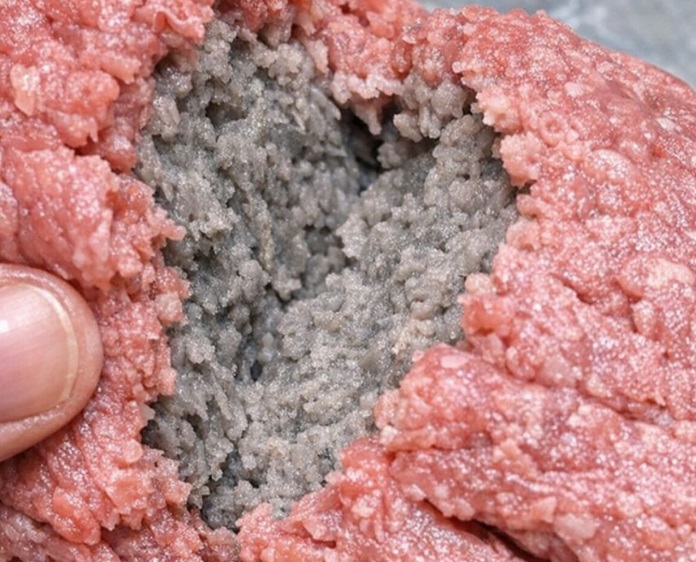
Have you ever opened a package of ground beef and noticed that the outside looks bright red while the inside is grayish-brown? It can be surprising, especially when the meat looks fresh at first glance.
The good news is that this color difference does not automatically mean the beef has spoiled. Ground beef naturally changes color depending on how much oxygen reaches the meat. However, color alone cannot tell you whether it is safe to eat.
In this guide, you’ll learn why ground beef can look gray inside, which warning signs to watch for, how long to store it, and how to handle and cook it safely.
1. Why Is Ground Beef Gray Inside?
One common reason is limited exposure to oxygen.
Ground beef contains myoglobin, a protein responsible for much of the color you see in meat. When myoglobin reacts with oxygen, it forms oxymyoglobin, which gives the exposed surface a bright red appearance.
The center of a tightly packed package may receive less oxygen, so it can look darker, purplish, or grayish-brown compared with the outside.
This difference can occur even when the meat has been handled properly. However, gray color is not proof that the beef is safe, so you should also consider its storage history, package condition, and expiration or use-by information.
2. How Oxygen Changes the Color of Beef
The color of fresh beef depends on the chemical state of myoglobin and the amount of oxygen available.
- Bright red: Often appears on surfaces exposed to oxygen.
- Purplish-red: Can occur when freshly cut meat has had limited oxygen exposure.
- Brown or grayish-brown: May develop when oxygen exposure and other conditions change the meat pigments.
- These changes can be part of normal meat chemistry. They do not always indicate spoilage.
On the other hand, if the entire package has turned gray or brown, particularly alongside an unpleasant odor, a sticky texture, or questionable storage conditions, it is safer not to use it.
3. Is Gray Ground Beef Safe to Eat?
Sometimes, but you cannot determine safety from color alone.
Ground beef that is gray in the center and red on the outside may simply have experienced different levels of oxygen exposure. Even so, you should check how it was stored, whether the package is intact, and whether it has been refrigerated promptly.
Keep these guidelines in mind:
- Store raw ground beef at 40°F (4°C) or below.
- Cook or freeze it within 1–2 days of purchase when refrigerated properly.
- Discard meat that has an unpleasant odor, feels unusually sticky or slimy, or shows other signs of spoilage.
- Do not taste raw beef to determine whether it is safe.
- If you suspect the meat was stored at an unsafe temperature, do not rely on its appearance or smell to make it safe.
Harmful bacteria may be present without changing the color, smell, or texture of the meat. When storage history is uncertain, choosing not to eat it is the safer decision.
4. Red on the Outside and Gray in the Middle: Is the Store Deceiving You?
Not necessarily.
The difference between the outside and inside of a package can result from oxygen exposure rather than deliberate deception. The exposed surface may appear red, while the interior remains darker because it receives less oxygen.
Still, a color difference does not guarantee that the product is fresh. Packaging, storage temperatures, handling, and the time since processing all matter.
When shopping, check that the package is intact, the meat is properly chilled, and the label information is clear. If you open the package at home and suspect spoilage, keep the packaging and receipt and contact the retailer about a refund or replacement.
5. Can You Tell If Ground Beef Has Spoiled by Smell or Texture?
An unpleasant or sour odor and an unusually sticky or slimy surface can indicate spoilage. You may also notice other changes in the meat’s appearance.
However, these signs are not a complete safety test. Disease-causing bacteria can be present even when meat looks and smells normal.
For this reason, use several pieces of information rather than relying on your senses alone:
- How long the beef has been refrigerated.
- Whether it has remained cold during transport and storage.
- Whether the package is damaged or leaking.
- Whether the product is within its labeled date.
- Whether there are signs of spoilage.
If the meat has been left out at room temperature for more than two hours, or more than one hour when temperatures exceed 90°F (32°C), discard it. Do not try to make questionable meat safe by cooking it.
6. How Long Does Ground Beef Last in the Refrigerator?
According to USDA and FoodSafety.gov guidance, raw ground beef should generally be cooked or frozen within 1–2 days when stored at 40°F (4°C) or below.
Here is a quick reference:
- Refrigerator: 1–2 days for raw ground beef.
- Freezer: About 3–4 months for best quality.
- Room temperature: No more than two hours, or one hour above 90°F (32°C).
These recommendations assume appropriate handling and storage. Freezing helps preserve the meat, but it does not reliably destroy all harmful microorganisms. If the beef was mishandled before freezing, freezing will not undo that problem.
7. What to Check When Buying Ground Beef
A few simple checks can help you make a better choice at the grocery store.
Check the packaging. Avoid packages that are torn, leaking, or visibly damaged.
Look at the date. Read the sell-by or use-by information and follow any storage instructions on the label.
Make sure the meat is cold. Choose products from properly refrigerated displays and take them home promptly.
Do not judge by color alone. Bright red meat is not automatically safer than meat with darker areas.
Keep it cold after purchase. If you have a long journey home, consider using an insulated cooler with ice packs, especially in warm weather.
8. What Do Sell-By and Use-By Dates Mean?
A sell-by date generally helps retailers manage inventory. It does not, by itself, prove that food is safe or unsafe on a particular day.
A use-by date may provide additional guidance, depending on the product and local labeling rules. Always follow the manufacturer’s storage instructions and any relevant local food-safety guidance.
Regardless of the date, raw ground beef should be refrigerated promptly and used or frozen within the recommended storage period. A date on the package cannot compensate for improper refrigeration.
9. When Should You Throw Gray Ground Beef Away?
It is best to discard ground beef when:
- It smells sour, rancid, or otherwise unpleasant.
- Its surface feels unusually sticky or slimy.
- The package is swollen, leaking, or damaged in a way that raises concerns.
- It has been stored above safe refrigerator temperatures for too long.
- You cannot establish whether it was handled and stored safely.
- The meat shows signs of spoilage, even if the printed date has not passed.
Remember that harmful bacteria may not produce visible warning signs. If the meat has been mishandled, do not use normal color or smell as a reason to keep it.
10. What Should You Do If You Bought Suspected Spoiled Beef?
If you believe the store sold you spoiled ground beef, avoid tasting or cooking it to test whether it is safe.
Instead:
- Keep the package and receipt if possible.
- Take a photograph of the label and any visible concerns.
- Contact the store and explain what you noticed.
- Ask whether a refund or replacement is available.
- Follow local food-safety reporting procedures if you believe there is a wider product-quality issue.
Do not return leaking or spoiled meat in a way that could contaminate other groceries. Keep it contained and follow the retailer’s instructions.
11. How to Store and Freeze Ground Beef Properly
Good storage practices help maintain quality and reduce the risk of foodborne illness.
Refrigerating: Put ground beef in the refrigerator as soon as possible. Keep it at 40°F (4°C) or below, preferably on a tray or in a container that prevents juices from dripping onto other foods. Use or freeze it within 1–2 days.
Freezing: If you will not use the meat within that period, freeze it promptly in freezer-safe packaging. Remove excess air where practical, seal the package securely, and label it with the date.
Thawing: Thaw frozen ground beef in the refrigerator, in cold water using a leakproof bag, or in the microwave according to safe food-handling guidance. If you use the microwave or cold-water method, cook the beef immediately afterward.
Cooking: Cook ground beef to an internal temperature of 160°F (71°C), measured with a food thermometer. Color alone cannot reliably show whether it has reached a safe temperature.
For best quality, use frozen ground beef within 3–4 months. If it remains continuously frozen at 0°F (-18°C) or below, it can remain safe longer, although its quality may decline.
Frequently Asked Questions
Does gray ground beef mean it is spoiled?
Not always. Grayish-brown meat inside a package can result from limited oxygen exposure. However, color alone cannot confirm safety, so consider storage conditions, package integrity, and other warning signs.
Why is ground beef red outside but gray inside?
The outside is exposed to more oxygen, which can produce the bright red pigment associated with fresh beef. The center may receive less oxygen and appear darker.
Can I cook ground beef if it smells normal but looks gray?
A normal smell does not guarantee safety. If the meat has been refrigerated properly and the color difference is limited to the interior, the appearance may reflect normal pigment changes. If storage history is uncertain or there are other warning signs, discard it.
How long can raw ground beef stay in the fridge?
Generally, 1–2 days at 40°F (4°C) or below. Freeze it promptly if you do not plan to cook it within that period.
What temperature should ground beef reach when cooked?
Cook ground beef to 160°F (71°C) throughout. Use a food thermometer rather than judging doneness by the meat’s color.
Can I freeze ground beef before it turns gray?
Yes. If you will not use it within the recommended refrigerator storage period, freeze it while it is still in good condition. Freezing helps preserve quality but cannot reverse spoilage or make mishandled meat safe.
Final Thoughts
Ground beef that is red outside and grayish-brown inside is not automatically spoiled. Different levels of oxygen exposure can cause natural color variations, especially in tightly packed meat.
The important thing is not to rely on color, smell, or texture alone. Check how the beef was stored, follow the recommended refrigerator and freezer timelines, and cook it to 160°F (71°C).
When storage conditions are questionable or the meat shows signs of spoilage, it is safer to discard it rather than take a chance.
Food safety note: This article provides general information and does not replace guidance from your local food-safety authority.