
House Centipedes in Your Basement: Are They Dangerous and How to Keep Them Away?
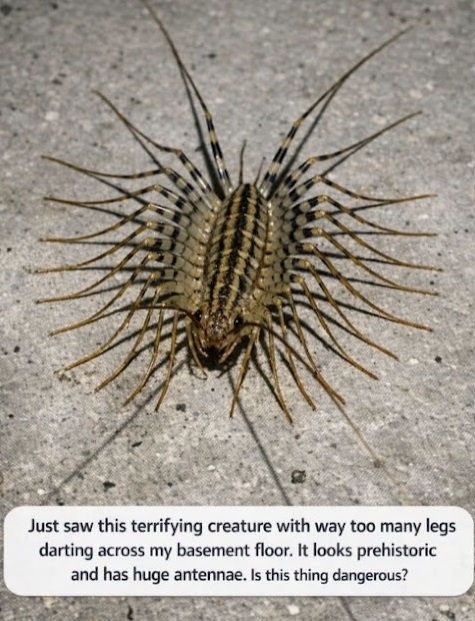
Have you ever walked into your basement, spotted a strange creature racing across the floor, and wondered what on earth it was? With its long, flattened body, dozens of delicate legs, and oversized antennae, a house centipede can certainly give you a surprise. It may disappear behind a storage box or slip into a tiny crack before you get a closer look.
Although its appearance can be unsettling, the house centipede is generally not dangerous to humans. This quick-moving creature is actually a predator that feeds on other small household pests, including silverfish, flies, and spiders.
Still, nobody wants to find unexpected visitors crawling across the bathroom floor or hiding among basement storage boxes. Understanding why house centipedes enter homes, where they tend to hide, and how to discourage them can help you feel more comfortable in your own space.
1. What Is a House Centipede?
The house centipede (Scutigera coleoptrata) is an arthropod recognized by its yellowish-gray body, darker stripes, long antennae, and 15 pairs of legs.
Unlike many other household pests, house centipedes move remarkably quickly. When startled, they may dart beneath furniture, run across a wall, or disappear into a narrow opening before you can react.
They commonly shelter in damp, protected places such as basements, bathrooms, crawl spaces, and utility rooms. They are often more active in darkness, although you may occasionally spot one during the day.
Their unusual appearance serves a practical purpose. Their long legs help them move rapidly, while their antennae help them navigate their surroundings and locate prey.
2. Are House Centipedes Dangerous to Humans?
For most people, house centipedes pose little risk. They generally prefer to escape rather than approach humans, and they do not typically bite unless they are handled, trapped, or pressed against the skin.
House centipedes possess venom, which they use to subdue their prey. Although a bite is uncommon, it can cause localized symptoms such as:
- Pain or tenderness
- Redness around the affected area
- Mild swelling or irritation
Reactions can vary from person to person. If you are bitten, wash the area with soap and water and monitor it for worsening symptoms. Seek medical advice if the reaction is severe or persistent.
Difficulty breathing, swelling of the face or throat, or faintness may indicate a serious allergic reaction and require emergency medical attention.
The simplest precaution is to avoid handling these creatures with bare hands. If you want to remove one, use a container and a stiff piece of card, provided you can do so safely.
3. Why Are House Centipedes Appearing in Your Home?
Finding a house centipede indoors does not automatically mean your home is dirty or poorly maintained. These creatures usually enter buildings because they offer shelter, moisture, and access to food.
Several conditions may make your home attractive to them.
Damp, Humid Areas
Basements, bathrooms, laundry rooms, and spaces beneath sinks can provide the moisture house centipedes prefer.
Leaking pipes, condensation, damp walls, and poor ventilation may create favorable hiding places. Repairing leaks and improving ventilation can help make these areas less inviting.
An Abundance of Small Insects
House centipedes are hunters. Their prey includes silverfish, flies, spiders, cockroaches, and other small arthropods.
If you regularly see centipedes, it may be worth checking whether other insects are present. Their appearance alone does not prove that you have a pest infestation, but an available food source can help explain why they keep returning.
Dark Hiding Places
These creatures often hide in cracks, behind furniture, beneath stored belongings, and inside other protected spaces.
Cluttered storage areas can provide additional shelter, particularly when they are damp or rarely disturbed. Keeping these spaces organized makes it easier to inspect and clean them.
Gaps Around Doors and Pipes
Small openings around windows, doors, foundations, and plumbing can provide routes into your home.
Inspecting these areas and sealing appropriate gaps can help reduce the chances of unwanted visitors entering.
4. Are House Centipedes Dangerous to Pets?
House centipedes are not generally considered a major threat to household pets. However, curious cats and dogs may try to catch or eat them.
A centipede may attempt to defend itself if grabbed or pressed against an animal. If your pet mouths or eats one, watch for unusual symptoms, including excessive drooling, vomiting, swelling, or signs of discomfort.
Contact your veterinarian if symptoms develop or you are concerned about what your pet encountered.
If you use pest-control products, follow the label carefully and keep pets away from treated areas as directed.
5. Should You Kill a House Centipede?
Whether you remove a house centipede is a personal choice, but there is usually no need to panic when you see one.
These arthropods feed on other small pests and may help reduce the number of insects in your home. They are not social insects like ants or termites, and seeing a single centipede does not necessarily indicate a larger problem.
If you would rather not have one indoors, you can try to capture it using a container and a stiff piece of card. Release it outdoors where appropriate, taking care not to handle it directly.
If you repeatedly find them in the same area, it is worth investigating the underlying conditions rather than simply removing each individual centipede.
6. How to Keep House Centipedes Out of Your Home
A few practical household measures can make your home less attractive to house centipedes.
Reduce Excess Moisture
Repair leaking faucets and pipes, improve bathroom ventilation, and consider a dehumidifier for persistently damp rooms.
If water regularly enters your basement, address the source rather than relying only on temporary drying.
Seal Cracks and Gaps
Inspect openings around plumbing, window frames, doors, baseboards, and utility lines. Seal suitable gaps with appropriate materials and repair damaged weatherstripping.
Reduce Clutter
Keep cardboard boxes and stored belongings off damp floors when possible. Organize basement storage areas so you can clean and inspect them more easily.
Manage Other Household Pests
Because house centipedes hunt other arthropods, reducing the availability of their prey may help discourage them.
Store food properly, clean up crumbs, manage household waste, and address recurring insect problems.
Check Screens and Outdoor Areas
Repair damaged window screens and door seals. Remove unnecessary debris near the foundation and correct drainage problems that leave areas around your home persistently wet.
If sightings continue despite these measures, a qualified pest-control professional can help identify possible entry points and underlying pest problems.
7. House Centipede or Millipede: How to Tell the Difference
Not every many-legged creature found in a basement is a house centipede. Millipedes and other centipede species can also appear around homes.
Here are a few helpful differences:
- House centipedes: Have long, delicate legs, a flattened body, prominent antennae, and very rapid movements.
- Millipedes: Generally have more cylindrical bodies, shorter legs, and slower movements. Many curl into a coil when disturbed.
- Other centipedes: May have shorter legs, thicker bodies, or different colors and patterns, depending on the species.
Avoid touching an unidentified arthropod to examine it more closely. If you want to identify one, take a photograph from a safe distance and compare its features with a reliable identification resource.
Frequently Asked Questions
Do house centipedes mean my home is dirty?
No. They can appear in clean homes when moisture, shelter, and small prey are available. Their presence alone does not indicate poor housekeeping.
Do house centipedes come out at night?
They are often more active in darkness and may hide during the day. However, you can occasionally encounter one in daylight, especially when its hiding place is disturbed.
Can house centipedes climb walls?
Yes. Their long legs allow them to travel across many surfaces, including walls, which is why they sometimes appear in unexpected places.
Why do I keep finding house centipedes in my bathroom?
Bathrooms can provide moisture, shelter, and access to small insects. Check for leaks, condensation, gaps around pipes, and other conditions that might attract them.
Will one house centipede turn into an infestation?
Seeing one does not mean you have an infestation. Repeated sightings may indicate favorable conditions or an available food source, so inspect the area and address moisture and entry points if necessary.
Can I use insecticides to get rid of house centipedes?
You may not need to. Reducing moisture, sealing gaps, and addressing other insect problems are useful first steps. If you choose a pest-control product, follow its label and take precautions to protect children and pets.
Final Thoughts
A fast-moving creature with long legs and prominent antennae can certainly be startling when it appears in your basement or bathroom. But if it is a house centipede, there is usually no reason to panic.
These unusual arthropods generally avoid people and feed on other small pests. By reducing excess moisture, sealing entry points, and managing other insects, you can make your home less attractive to them without immediately resorting to chemical treatments.
The next time you spot one racing across the floor, take a moment to observe it from a safe distance. Remove it carefully if you prefer, and investigate any conditions that might be inviting it indoors.
Have you ever spotted a house centipede in your basement or bathroom? Share where you found it and what you did next!