
What Are Those Spiky Hair-Like Things on Chicken Wings? Are They Safe?
Chicken wings are a favorite in many kitchens, whether they’re baked, grilled, fried, or covered in barbecue sauce. But sometimes, you may notice tiny, hair-like spikes sticking out of the skin. They can look unpleasant, especially if you’ve never seen them before.
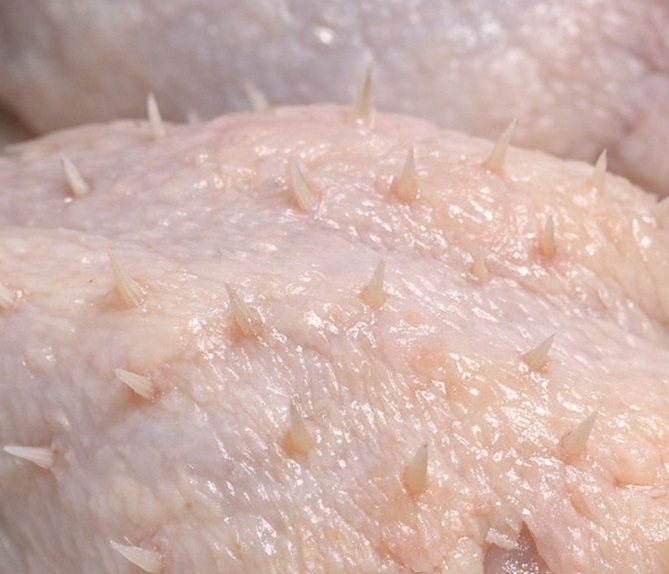
These little protrusions are usually leftover feather parts from poultry processing. Although they may affect the appearance of the wings, they don’t automatically mean the chicken is unsafe or poorly handled. Here’s what they are, why they remain, and how to remove them before cooking.
1. What Are Those Spiky Things on Chicken Wings?
Those small, stiff spikes are usually called pinfeathers or feather remnants. They are parts of feathers that remain attached to the chicken’s skin after processing.
They can look like tiny hairs, short bristles, or dark-colored quills. Since chickens have feathers rather than hair, these strands are not actually hairs.
They are sometimes more noticeable around the wings because small feather remnants can be difficult to remove completely.
2. Why Do Pinfeathers Remain After Processing?
Commercial poultry processing uses machines to remove feathers, but the process may not catch every small feather or quill.
Some feather remnants are firmly attached to the skin or break during plucking, leaving small pieces behind. Even properly processed chicken can occasionally have a few visible remnants.
Their presence alone does not prove that the chicken was handled improperly or is unsafe to eat.
3. How to Tell the Difference Between Feathers and Hairs
Chicken skin may have several types of feather remnants:
- Pinfeathers: Small, stiff feather growths that look like short spikes.
- Feather shafts: Firm central parts of feathers that may remain after the softer portions are removed.
- Broken quills: Small pieces of feather shafts that can remain attached to the skin.
Chickens do not naturally grow hair like mammals, so hair-like strands on raw chicken are generally feather-related remnants.
4. Are Leftover Pinfeathers Safe to Eat?
A few leftover feather remnants are generally a cosmetic issue rather than a sign of contamination. However, they are not particularly pleasant to eat, and many people prefer to remove them before cooking.
Do not assume that cooking makes every feather remnant disappear or become harmless to the texture. Remove visible pieces before preparing the wings.
For food safety, handle raw chicken carefully and cook it to an internal temperature of 165°F (74°C), checking the thickest part with a food thermometer.
5. When Might Spiky Chicken Wings Be a Quality Concern?
A few small pinfeathers do not necessarily indicate poor quality. However, you should pay attention to the overall condition of the chicken.
Avoid using chicken that has an unpleasant sour or rotten smell, an unusually slimy texture, damaged packaging, or signs of spoilage. Color changes should also be considered alongside other freshness indicators.
If the wings look poorly cleaned or have several quality issues, contact the store or supplier rather than trying to overlook the problem.
6. How to Remove Pinfeathers at Home
If you notice a few feather remnants, removing them is usually simple.
- Place the raw wings on a clean cutting board.
- Use clean kitchen tweezers to grip each visible feather close to the skin.
- Pull gently in the direction of the feather growth.
- Check the skin for any remaining pieces.
- Wash and sanitize the tools and surfaces that touched the raw chicken.
Avoid digging into the skin with a knife or using excessive force, as this can damage the wings.
7. What About Stubborn Feather Remnants?
Some small quills may be harder to remove than others. Tweezers are usually the best option for individual pieces.
If a remnant will not come out easily, avoid tearing the skin or repeatedly scraping it. You can ask your butcher to clean the wings or return the product if the amount of leftover feathers is excessive.
8. What Do Poultry Processors Have to Do With It?
Commercial poultry processing involves several stages, including feather removal, cleaning, inspection, and packaging. Although equipment is designed to remove feathers efficiently, occasional remnants can still be missed.
A few small feather pieces do not automatically indicate a processing failure. However, repeated problems or wings with excessive remnants are reasonable reasons to contact the retailer or brand.
9. How to Choose Chicken Wings With Cleaner Skin
When buying packaged chicken wings, take a moment to inspect the product through the packaging.
Look for wings with relatively clean skin, intact packaging, and a fresh appearance. Check the use-by date and keep the chicken properly refrigerated after purchase.
You can also ask your butcher whether the wings have been checked for remaining feathers before sale. Choosing a trusted supplier may make shopping easier, although no brand can guarantee that every piece will be completely free of feather remnants.
10. Why Some People Notice These Remnants More Than Others
Food preparation traditions differ from one household and culture to another. In some kitchens, cooks routinely inspect and clean poultry at home before seasoning or cooking it.
Others expect packaged chicken to arrive completely cleaned and ready for the pan. Neither preference changes what the remnants are, but it explains why some people are more concerned when they find them.
For many home cooks, removing visible feather pieces is simply another small preparation step.
11. When Should You Return or Complain About Chicken Wings?
If your chicken wings have an unusually large number of feather remnants, damaged packaging, or other signs of poor quality, you can contact the store or brand.
Keep the packaging and purchase details, including the date and product information. A photograph can also help explain the problem.
If the chicken smells spoiled or feels unusually slimy, do not taste it to check whether it is safe. Return it or dispose of it appropriately.
Final Thoughts
Those tiny spiky strands on chicken wings are usually leftover feather parts, not hairs. Finding a few does not automatically mean the chicken is unsafe, but removing them before cooking can make the wings more appealing.
A quick inspection, clean tweezers, and proper food-handling practices are usually all you need to prepare your chicken wings with confidence.