
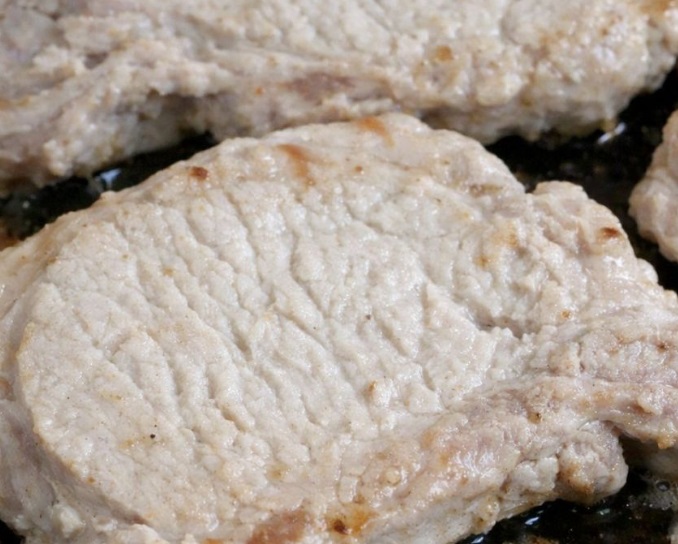
11 Reasons Your Pork Chops Turn Out Dry (And How to Fix Them)
Pork chops can be juicy, tender, and full of flavor, but getting them right isn’t always easy. A few small cooking mistakes can turn a promising dinner into a dry, tough meal.
The good news is that most of these problems are easy to fix. From choosing the right cut to using a meat thermometer, here are 11 common reasons pork chops turn out dry and what you can do to make them better.
1. You’re Cooking Pork Like It’s Still “The Other White Meat”
For years, pork was marketed as “The Other White Meat,” leading many home cooks to treat it like chicken breast and cook it until completely white. This often resulted in dry, overcooked chops.
Pork chops can safely be served slightly pink in the center when cooked to an internal temperature of 145°F (63°C), followed by a three-minute rest. A little pinkness does not automatically mean the pork is undercooked.
2. You’re Afraid of Pink Pork
Concerns about food safety have encouraged many cooks to overcook pork. However, current USDA guidance recommends an internal temperature of 145°F, followed by a three-minute rest, for whole cuts of pork.
Use an instant-read thermometer instead of judging doneness by color alone. This helps you cook pork safely without making it unnecessarily dry.
3. Modern Pork Chops Are Naturally Lean
Many pork chops sold today are quite lean, which means they can lose moisture quickly when overcooked.
To help maintain tenderness, consider brining the chops before cooking or choosing cuts with more marbling. Rib chops, for example, often have more fat than center-cut loin chops and can offer a richer flavor.
4. Thin, Boneless Chops Are Easy to Overcook
Thin, boneless pork chops cook quickly, leaving very little room for error. A few extra minutes on the stove can make them tough and dry.
For a more forgiving option, choose chops about 1 to 1½ inches thick. Bone-in chops are another good choice, although thickness and cooking temperature matter more than the bone alone.
5. You’re Cooking Them Straight From the Refrigerator
Very cold pork chops may cook less evenly, especially if they vary in thickness. Instead of leaving raw pork out for an extended period, take it from the refrigerator just before preparing your pan or grill.
Pat the surface dry with paper towels before seasoning. This helps the chops brown more effectively.
6. You’re Using High Heat From Start to Finish
High heat is useful for creating a golden-brown crust, but keeping the heat too high can overcook the outside before the center reaches the right temperature.
Start with a hot pan to sear both sides, then lower the heat to finish cooking. For thicker chops, you can also transfer the pan to a preheated oven if the cookware is oven-safe.
7. You’re Skipping the Brine or Marinade
A simple brine can help lean pork chops retain moisture and develop better flavor. Mix water with salt and a little sugar, then refrigerate the chops in the mixture for about 30 minutes to a few hours.
Marinades made with oil, herbs, garlic, and a little lemon juice or vinegar can also add flavor. Always marinate pork in the refrigerator, not on the counter.
8. You’re Crowding the Pan
Adding too many pork chops to one pan lowers the cooking temperature and creates excess steam. As a result, the meat may not develop the golden crust you’re looking for.
Cook in batches when necessary, leaving enough space between each chop. A properly heated pan and good spacing make a noticeable difference.
9. You’re Not Letting the Chops Rest
Cutting into pork chops immediately after cooking can cause some of the juices to escape onto the plate.
Let the chops rest for at least three minutes before serving. This also gives you time to prepare the sides and finish your dinner.
10. You’re Not Using a Reliable Meat Thermometer
Guessing when pork is done can lead to overcooking or unsafe cooking temperatures. Color and cooking time alone aren’t reliable ways to check doneness.
Use an instant-read thermometer in the thickest part of the chop, avoiding the bone. For whole cuts of pork, aim for 145°F (63°C), followed by a three-minute rest.
11. You’re Choosing the Wrong Cut for Your Cooking Method
Not all pork chops cook the same way. Rib chops often have more marbling, while loin chops are generally leaner. Thin boneless chops are convenient for quick meals but need close attention.
Choose thicker chops for grilling or oven cooking, and use thinner cuts when you need a quick stovetop dinner. Matching the cut to your cooking method can help you get better results.
Final Thoughts
Juicy pork chops don’t require complicated techniques. Choosing a suitable cut, avoiding excessive heat, seasoning properly, and checking the internal temperature can make a big difference.
With a little attention to these details, you can serve tender, flavorful pork chops without worrying about them turning dry and tough.